High humidity in indoor spaces is a problem that can affect anyone – from residents of new apartments to owners of older homes and users of industrial facilities. A dehumidifier is an effective device that removes excess moisture, protects against mold development, and improves comfort in a given space.
In this guide, we will advise you on which dehumidifier to choose, what to pay attention to when purchasing, and in which situations portable dehumidifiers and industrial models work best.
Why is it worth having a dehumidifier at home?
Excess moisture is a sneaky, often invisible enemy that can lead to serious problems over time – both structural and health-related. Damp walls and ceilings promote the growth of mold, fungi, and dust mites, which can trigger allergies, asthma, or respiratory irritations. High humidity levels also worsen air quality and create an unpleasant musty smell in indoor spaces.
A dehumidifier for the apartment effectively removes excess moisture, stabilizes humidity levels, and helps maintain an optimal microclimate throughout the year. In the bathroom, it prevents condensation on mirrors and tiles, while in the laundry room or drying room, it significantly speeds up the drying process of clothes. A dehumidifier for drying laundry is an ideal solution for those who cannot hang clothes outside in winter or rainy days.
In the basement or garage, a dehumidifier for the basement protects foundations and walls from dampness, minimizes the risk of corrosion of metal elements, and safeguards stored items from damage.
If you care about comfort and peace, choose a quiet dehumidifier for the bedroom. With a low noise level, it can operate all night without disturbing your sleep while effectively maintaining a healthy humidity level in the room, improving your well-being and quality of rest.
Types of dehumidifiers – which one to choose?
There are various types of devices available on the market, differing in their operation and intended use:
- Condensation dehumidifiers – the most popular in homes and offices. They effectively remove moisture from the air at temperatures above 15°C. Ideal as a portable dehumidifier for the apartment or office.
- Adsorption dehumidifiers – work well at lower temperatures, making them suitable for cool basements, garages, cold storage, or production halls.
- Construction dehumidifiers – with high efficiency (50–100 l/24 h), designed for drying after flooding, during renovation and finishing work.
- Industrial dehumidifiers – for use in warehouses, archives, swimming pools, or server rooms, where constant humidity control is required.
Where will a dehumidifier be effective?
Bathroom – after a hot bath or shower, humidity in the bathroom rises rapidly, causing fogged mirrors and damp walls and ceilings. A dehumidifier for the bathroom quickly removes excess steam, prevents water from condensing on surfaces, and protects grout and silicone from blackening. This keeps the interior fresh and makes cleaning much easier.
Laundry room – in spaces where laundry is regularly dried, the air is constantly saturated with moisture. A dehumidifier for drying laundry can cut drying time by up to half, which is especially useful in the autumn-winter period when ventilation is limited. The "laundry" function in many models allows for intense air circulation, further preventing unpleasant moisture odors in fabrics.
Basement – this area is particularly vulnerable to moisture from the ground and poor ventilation. A dehumidifier for the basement effectively eliminates excess moisture, minimizes the risk of mold and mustiness, and protects stored items – furniture, sports equipment, or food supplies – from damage. When combined with continuous drainage, it can operate without interruption for many days.
Bedroom – healthy sleep requires not only the right temperature but also proper humidity levels. A quiet dehumidifier provides optimal conditions for rest, reduces feelings of stuffiness, and improves breathing quality at night. Models with a night mode operate discreetly, maintaining humidity at a constant level without disturbing sleep.
Office and service premises – in places where many people gather, humidity levels rise quickly, especially in winter when ventilation is limited. A dehumidifier for the office maintains an optimal microclimate, which promotes better concentration, protects electronic equipment from moisture, and improves comfort for both clients and employees.
Construction and renovation – in the construction industry, time is money. A construction dehumidifier significantly speeds up the drying of plasters, screeds, fillers, or paints, allowing subsequent work stages to be completed faster. It is also indispensable after flooding – it removes moisture from walls and floors, preventing mold growth and material degradation.
What to pay attention to when choosing a dehumidifier?
- Efficiency – indicated in liters per day (e.g., 20 l/24 h dehumidifier for an apartment of 40–60 m²).
- Noise level – if the device is to operate in a bedroom or office, it is worth choosing a quiet dehumidifier below 40 dB.
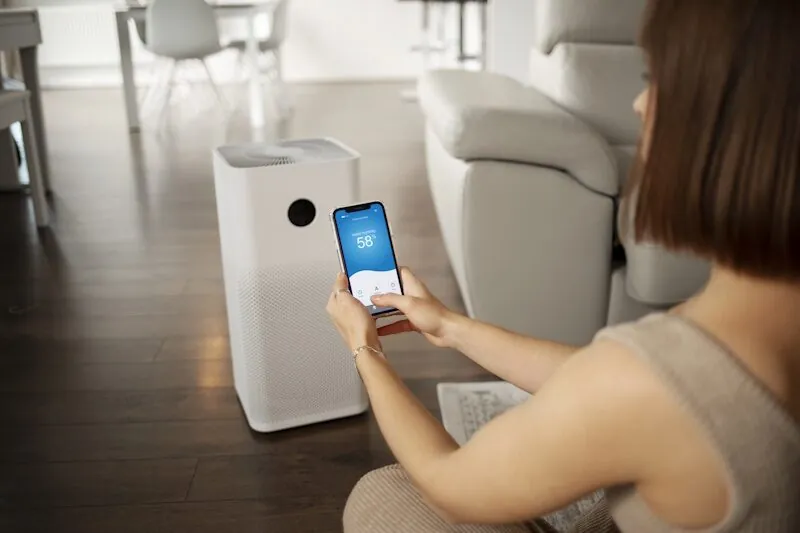
- Additional features – a Wi-Fi dehumidifier allows you to control its operation from your smartphone, while a dehumidifier with a hygrometer automatically maintains the set humidity level.
- Mobility – transport wheels and handles make it easier to move a portable dehumidifier between rooms.
- Energy efficiency – an energy-efficient dehumidifier with a modern compressor will help reduce operating costs.
- Water drainage method – choose between a water tank and continuous drainage (especially in industrial dehumidifiers).
Industrial and construction dehumidifiers – solutions for special tasks
In situations where rapid and intensive moisture reduction is needed, construction dehumidifiers or industrial dehumidifiers are the best choice. They are characterized by high efficiency, durable construction, and the ability to operate in challenging conditions.
They are used for:
- drying after floods and inundations,
- drying swimming pool halls,
- maintaining appropriate humidity levels in archives, museums, server rooms,
- accelerating construction work (drying plasters, screeds, paints).
What benefits does using a dehumidifier provide?
Health protection – excessively high humidity promotes the growth of mold, fungi, and dust mites, which can cause allergies, asthma, skin irritations, or respiratory problems. A dehumidifier reduces these risks, creating healthier living conditions for adults, children, and the elderly. Maintaining humidity at an optimal level (40–60%) supports the body's natural immunity and improves well-being.
Building protection – moisture can penetrate walls, ceilings, floors, and furniture, causing gradual destruction. Continuous operation of a dehumidifier eliminates excess moisture, protecting the building's structure, finishes, and furnishings from degradation. The absence of mold and fungi also means no need for costly repairs and renovations.
Increased comfort – a properly selected portable dehumidifier removes feelings of stuffiness, eliminates unpleasant musty odors, and improves overall air quality. In residential spaces, this leads to better rest, while in offices, it enhances productivity and work comfort.
Time savings – a dehumidifier for drying laundry can reduce drying time by several dozen percent, which is especially important in winter and in apartments without balconies. In the case of renovations or construction, a construction dehumidifier speeds up the drying of plasters, screeds, and paints, allowing for quicker transitions to subsequent work stages.
Control of sensitive conditions – in places such as libraries, archives, museums, warehouses, or server rooms, an industrial dehumidifier ensures a constant and precise humidity level. This is crucial for preserving documents, works of art, electronic equipment, or food products in good condition.
Is it worth buying a dehumidifier?
Choosing the right dehumidifier is an investment that quickly pays off – both in the comfort of daily life and in protecting the building.
Whether you need a portable dehumidifier for your apartment, a quiet model for the bedroom, or an industrial dehumidifier for a large hall – at Termofol.pl, you will find equipment tailored to your needs.
FAQ – Frequently asked questions about dehumidifiers
- How much electricity does a dehumidifier consume?
Energy consumption depends on the device's power, operating time, and set humidity. A standard dehumidifier for the apartment with a capacity of about 20 l/24 h consumes an average of 200–400 W, which translates to a daily cost of several dozen cents to a few zlotys for several hours of operation.
- Can a dehumidifier operate 24/7?
Yes, most models can operate continuously, especially those with continuous water drainage. In the case of portable dehumidifiers with a built-in tank, remember to empty it or connect a drainage hose.
- Which dehumidifier is best for the bedroom?
For the bedroom, a quiet dehumidifier with a noise level below 40 dB is best, preferably with a night mode that reduces fan speed and dims the display.
- What is the difference between a condensation dehumidifier and an adsorption dehumidifier?
A condensation dehumidifier works best at higher temperatures (above 15°C) and is ideal for homes and offices. An adsorption dehumidifier works well at lower temperatures, making it suitable for cool basements, garages, or industrial halls.
- Does a dehumidifier help with drying laundry?
Yes, a dehumidifier for drying laundry shortens drying time, reduces the risk of moisture odors, and prevents excessive humidity levels in the apartment.
- Which dehumidifier to choose for construction or after flooding?
In such situations, a construction dehumidifier with high efficiency (50–100 l/24 h) and high air flow is best, designed for use in challenging conditions.
 +48 12 376 86 00
  Downloads
  biuro@termofol.pl


 Blog Termofol
 Published: August 12, 2025
  Reading time: 8 minutes
 General information