Starting in 2024, Polish consumers will be subject to a new electricity tariff, known as the dynamic tariff. How does it differ from the currently available pricing plans? What benefits does the dynamic tariff offer? You will find answers to these questions and many more in our article.
What types of electricity tariffs do we have?
The currently applicable electricity tariffs assume that we pay for 1 kilowatt-hour of electricity. The price is set in advance by the President of the Energy Regulatory Office. In 2023, this fee was just over 1 złoty per 1 kWh of electricity. It is worth mentioning that in 2022, it was 0.77 zł/kWh. The dynamic tariff is a completely different solution that will be applicable to Polish electricity consumers starting in 2024.
In dynamic tariffs, the price of electricity is determined on the Commodity Energy Exchange with hourly accuracy. In practice, this means that if the price of electricity on the exchange is lower during a given hour, consumers will also pay a lower rate. Conversely, if the hourly price is higher, the end user will have to pay a larger amount. As a result, individual consumers will have the opportunity to manage their bills independently. How?
When the price of electricity in the dynamic tariff is lower, the consumer can plan to turn on, for example, a washing machine or other energy-consuming devices at a specific hour. This way, each individual consumer can significantly reduce their electricity bills.
Dynamic tariffs can be used by consumers who consume no less than 5 MWh per month. In practice, this means that they apply to those who pay around 5,000 zł for electricity. However, the amendment to the regulations will also allow individual consumers to benefit from dynamic tariffs. The condition that must be met is having a "smart" meter that performs remote readings. Why? This is necessary because, in the case of dynamic tariffs, measurements must be read in real time.
During which hours is electricity cheaper?
Now that we know what a dynamic tariff is, it is worth understanding its profitability compared to standard charges. Currently, the G12 tariff is in effect. The pricing varies depending on the provider. However, assuming that the average annual electricity consumption is 50 MWh, the price of electricity will be approximately:
- 22,600 zł – for classic tariffs,
- 14,800 zł – for dynamic tariffs.
The savings compared to the currently most popular G12 tariff could therefore amount to as much as 7,800 zł per year. Such significant differences in amounts arise from the fact that within this tariff, energy prices, as the name suggests, are dynamic and change from hour to hour. By monitoring variations, it is possible to plan energy consumption so that the highest usage occurs during hours when rates are lowest. As a result, you will effectively lower your final electricity bill.
How to check during which hours electricity is cheaper? This can be done on the website of the Polish Power Grid. Consumption can thus be planned by analyzing data from previous billing periods. For example, on November 13, 2023, at 5:00 AM, the price for 1 MWh was 374.32 zł, while at 5:00 PM it was already 642.11 zł. With this information, you can plan to turn on the aforementioned washing machine in the morning hours.
Considering the operation of this tariff, there is a significant perspective for the development of energy storage systems, which are still immature in Poland. The dynamic tariff opens up the possibility of storing electricity in batteries during periods of lower rates and then using it during hours when prices rise on the energy exchange.
The application of the dynamic tariff, both by businesses and individuals, represents an opportunity for more precise control over electricity-related costs. The value of bills will depend solely on the decisions of end users, who will independently decide when and at what price they want to use electricity, based on current market data. Therefore, it is worth considering this solution.
The use of energy storage systems is not yet widespread in our country due to the high prices of these devices. However, the energy policy adopted by the European Union requires greater emphasis on so-called distributed energy. This involves maximizing self-consumption of electricity produced by solar panels. Therefore, an energy storage system will be a device that will be necessary in the near future for everyone who wants to reduce their electricity bills.
Why do I need a dynamic tariff?
The introduction of dynamic tariffs has been referred to by many media as a revolution. And rightly so, because until now, electricity consumers in Poland have not had the opportunity to use similar solutions. Dynamic tariffs are attractive for many homeowners and apartment dwellers. At the same time, it should be clearly noted that reducing electricity bills with their help requires some effort. One must check exactly which hours electricity will be cheaper to then turn on devices that consume the most power, such as washing machines or dryers.
The introduction of dynamic tariffs is another step in popularizing energy storage systems in Poland. The use of these devices along with dynamic tariffs will allow for even greater savings on electricity bills. How? The energy storage system will automatically draw energy during cheaper hours and then "return" it when the price of electricity rises.
Using dynamic energy tariffs will bring significant benefits, mainly through increased flexibility and security of the energy system. Currently, network overloads are resolved through forced reductions in consumption from selected consumers (for example, through Demand Side Response services). By marketizing prices, energy producers and consumers will independently manage the relationship between supply and demand, using simple tools such as smart energy meters, which are already widely implemented in the country.
Additionally, greater flexibility in the system means more efficient use of existing infrastructure. In the current electricity system in our country, there are seasonal fluctuations in demand and production, which usually require costly investments to prevent network instability. However, directing users towards more efficient use of available resources throughout the day or year, for example by shifting energy consumption to off-peak hours, can result in lower modernization costs and reduced fees for end users.
Analyses conducted by the European Commission suggest that savings from dynamic energy prices can reach about 20%. Households with low incomes will benefit the most from this solution, as they save energy even during peak hours. The current tariff model means that they incur the same costs (calculated per kWh) as households with higher incomes.
Marketizing tariffs may encourage consumers to use energy more rationally and sellers to create attractive offers. The current tariffs limit competitiveness in the market, discouraging consumers from seeking optimal sales proposals. Transitioning to dynamic tariffs could eliminate these barriers, potentially contributing to lower costs associated with electricity. Savings may also result from reduced investment outlays and the impact of the availability of distributed energy sources on distribution.
Final Word
Although the dynamic tariff has not yet come into effect, it is already generating interest among consumers. It seems that its introduction is a nod to customers, who will gain the opportunity to increase savings. It will also be a driving force for the entire industry, as it will lead to greater competitiveness among energy suppliers. The launch of dynamic tariffs will also be a catalyst for the popularization of energy storage systems. The combination of all these solutions will make a home not only self-sufficient but will even produce surplus electricity.
 +48 12 376 86 00
  Downloads
  biuro@termofol.pl


 Blog Termofol
 Published: November 16, 2023
  Reading time: 6 minutes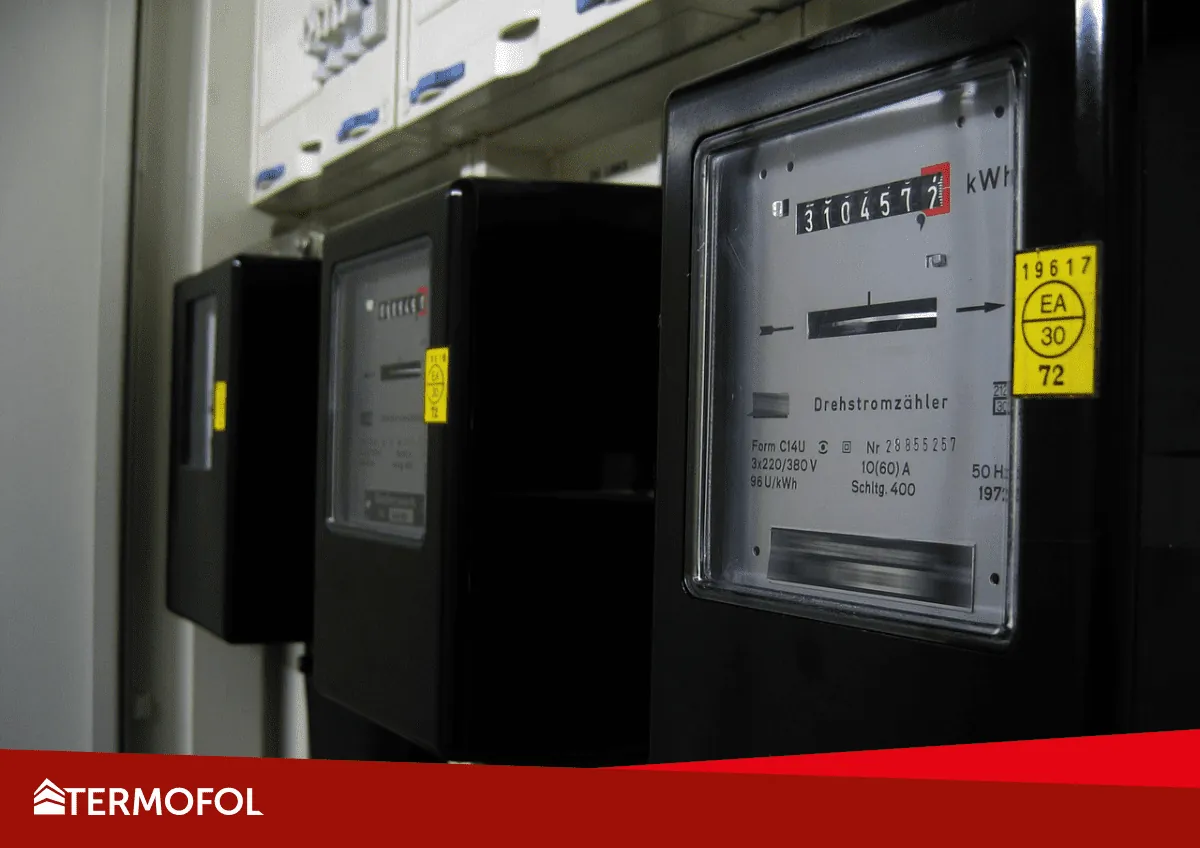
 General information