Weather changes cannot be predicted in the long term. Therefore, it is wise to protect yourself against every situation. Most plumbing systems are well prepared for winter, even in conditions where negative temperatures reach record values. However, this does not mean that one should not worry about their condition. On the contrary – it is worth applying some methods against the situation where pipes freeze, to protect oneself from unexpected accidents. We recommend securing installations particularly vulnerable to damage during the winter period. How can one prevent water from freezing in pipes? And which methods are truly effective?
Lack of Proper Protection. What to Do When Water in Pipes Freezes?
If no method to limit the risk of freezing has been applied, there may come a moment to face this problem. What to do when water in pipes freezes? The best approach is to attempt to thaw the water and the pipes.
First, turn off the main valve and open the end one. Next, raise the temperature in the room. To achieve this, turn on the heating in the room and wait until it reaches a normal temperature (min. 16°C). Only then can you proceed to heat the pipe itself. A regular hairdryer will suffice, although a heat gun or an electric blower is preferred. The air stream generated by them should be directed from the end of the pipe towards its top. After some time, the ice will give way, and water will start to flow, clearing the pipe.
The Problem of Unheated Basements
Unfortunately, a significant and often forgotten problem is the issue of basements. Lack of proper insulation in a room below ground level can result in a failure of the water system. In this situation, home remedies may prove completely ineffective, and a professional solution will be necessary, which will involve creating a heating installation.
Frozen Internal or External Installation
Let’s assume that someone has come across our page because they did not use any method of protection against freezing and the pipes have already frozen, whether in an external or concealed installation. Securing water pipes in this case means more serious construction work. It is necessary to dig up the elements or break through walls to access them.
The process of breaking through walls depends on the depth of the freezing of the installation. Unfortunately, the freezing of external pipes can lead to a failure of the water network in our home.
Everyone certainly wants to avoid this, so let’s check what can be done to mitigate the threat when the temperature outside is low. Freezing water in pipes does not have to be a real problem.
Read more about underfloor heating.
How to Prevent Pipes from Freezing in Winter Using the Simplest Method?
An exceptionally simple method is to maintain the appropriate temperature in the rooms. This applies only to internal installations. Nevertheless, it is worth remembering not to leave the house without heating before going on winter holidays. The lack of heat reaching the surface of the pipes will certainly result in freezing. Pipes can freeze even in a new installation if temperatures drop below typical values. This is particularly true for holiday homes, which often remain unheated during the winter.
This may not be the best solution due to the costs incurred. It is understandable that not everyone wants to heat an empty apartment or house. It is worth knowing that just a few degrees are enough to avoid problems. During harsh winters, it is better to maintain even 19°C. You never know if there will be really severe frosts that the lowest level of heating will not cope with. In the city, we may be surprised by a truly harsh winter. This also depends on the climatic zone – some areas in Poland, such as Suwałki, are prone to low temperatures.
How to Prevent Pipes from Freezing Using the Simplest Method?
Let’s start with methods that do not require significant financial outlays or any construction work. We are, of course, talking about maintaining the appropriate temperature inside the house. Yes, in most cases this is completely sufficient. Water freezes in pipes when the installation is not heated. That is why we do not face this problem on a daily basis.
Limiting the risk of pipe freezing also involves securing the installation. Before intense frosts, one should ensure that the water supply to the garden installation is closed. The pipes should be emptied (as much as possible). This method will definitely help prevent damage to seals.
But what to do when one is not at home? Usually, for longer trips, we turn off the heating in the house to avoid wasting energy. Unfortunately, upon returning from winter holidays, unpleasant surprises may await the residents. Therefore, it is better to leave the heating on at around 16°C, and in case of an exceptionally frosty winter, even at 19°C. This is an essential cost if we decide on the simplest methods. And they may ultimately turn out to be the most expensive. Ignoring this issue can lead to a failure of the water installation and many other problems.
Therefore, the apparent lack of investment in securing the installation may be misleading. People who travel frequently should pay attention to other possibilities. We can heat the pipe with a hairdryer, but is it worth spending time and nerves on that?
How to Prevent Pipes from Freezing in Winter Using Insulation?
One of the popular methods of protection on the market is insulation. Of course, water installations – like all other installations – can benefit from insulating materials. One way to avoid freezing water is through professional insulation!
The main advantage of insulation is that it can be applied both inside and outside buildings. This method requires serious construction work, which involves a more significant expense. It is not enough to just buy insulation – someone must also properly attach it to the pipes. And not just the visible ones, but also those hidden behind walls. The results are satisfactory despite the labor involved. Insulation not only serves as thermal insulation for the pipes but also dampens the sounds of water installation usage.
However, we are still not talking about the optimal solution. It should be noted that insulating materials only delay the freezing of pipes. They do not guarantee that they will not be damaged. Freezing water in pipes is still possible – regardless of the quality or quantity of insulation used. They do not, in themselves, provide a source of heat. In practice, this means that they only delay the freezing of pipes. Nevertheless, it is better to invest in insulation than to rely solely on luck. A 10-centimeter layer of insulation will also be useful in the next method we discuss for dealing with freezing.
How to Effectively Protect the Water Installation from Freezing?
Finally, we arrive at a proven method of securing the plumbing installation that is recommended by all professionals. It is very effective, ensuring that there will be no freezing. What technology are we talking about? Heating cables. This technology is gaining increasing popularity due to its reliability.
Heating cables generate heat that prevents freezing. Under such conditions, water in pipes cannot freeze. Even the harshest winter will not cause the temperature to drop to the point of causing damage.
How to protect the water installation from freezing using heating cables? It couldn’t be simpler. Just attach them along pipes that have thermal insulation of at least 10 mm thickness. As you can see, the insulation described in previous paragraphs will find its application here. Moreover, there is no need to deal with the installation of anything else. The cables are controlled via a thermostat.
It is worth adding that this method works both inside buildings and outside. It will easily protect water pipes and valves installed in unheated rooms or outdoors. It is hard to find a better way to secure the installation. Additionally, with heating cables, the depth of installation freezing does not matter.
Energy efficiency is also noteworthy. Unlike heating the entire house, only small amounts of energy are needed, redirected straight to the plumbing installation via the heating cable.
How to Protect the Water Installation from Freezing with Heating Cables
Heating cables are a technology designed to handle any situation. They were specifically designed to prevent water from freezing in the installation. Moreover, they are completely safe. How to prevent pipes from freezing in this way? Simply install the product along at least 10 millimeters of insulation on the pipes and connect the system to power. It will generate heat that will prevent ice from forming inside the plumbing installation. Temperature control is done via an integrated thermostat.
The cables are suitable for both indoor and outdoor applications. In both cases, only a small amount of heat is needed to prevent freezing, and even – consequently – the bursting of steel pipes. An important aspect is the fact that heating cables do not need to be installed during the construction of the house.
Of course, this raises concerns about increased energy costs. However, there is no need to worry about that. It is an incomparably cheaper method than heating the entire apartment when no one is inside. Therefore, heating cables have become particularly popular throughout Poland. It is worth investing in them before the deep winter arrives, which poses a threat to the existing installation when water in pipes freezes.
Our guide should dispel any doubts regarding how to effectively prevent pipes from freezing in winter using the most effective method or a combination of methods. Those determined to use our solution are encouraged to take a look at our offer, as well as to contact us by phone or email. We will answer any questions regarding our products. And those who want to invest in high-quality heating cables to completely avoid worrying about low temperatures are encouraged to check out the Termofol brand’s offer.
Also see: Self-regulating heating cable for pipes
 +48 12 376 86 00
  Downloads
  biuro@termofol.pl


 Blog Termofol
 Published: January 3, 2023
  Reading time: 9 minutes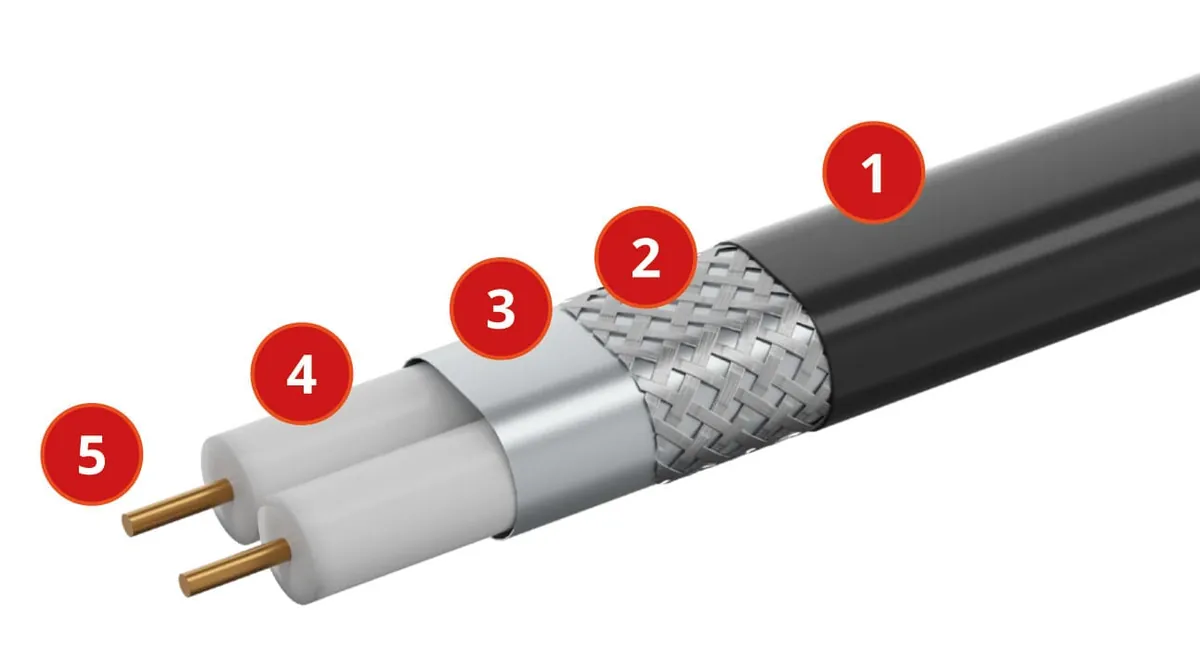
 General information