In the face of dynamic changes in the energy market and the growing demand for efficient energy management, funding for energy storage systems in 2024 is becoming a key element supporting the energy transformation in Poland. Find out how to obtain funding for energy storage and take advantage of available funds.
Subsidies for Energy Storage Systems – What Does the Situation Look Like?
In recent years, the Polish energy sector has been undergoing an intensive transformation aimed at increasing the share of renewable energy sources (RES) in the national energy mix. Energy storage systems play a crucial role in this transformation, enabling the storage of surplus energy generated by RES installations, such as photovoltaics or wind turbines, and its use during periods of increased demand. Government funding programs, such as “My Electricity,” aim to support investors in purchasing and installing energy storage systems, contributing to the stabilization of energy networks and increasing the country's energy independence.
In 2024, the Ministry of Climate and Environment has planned to allocate 400 million PLN for the sixth edition of the “My Electricity” program. This significant increase compared to the initial budget of 100 million PLN in the previous edition, which was ultimately raised to 950 million PLN, reflects the growing interest and importance of energy storage systems in Poland.
Energy Storage Subsidy – What Can You Expect?
My Electricity 6.0
Data from the energy market indicates a dynamic increase in interest in energy storage systems. In 2023, the number of installed energy storage systems increased by 45% compared to the previous year, resulting from both rising energy costs and attractive funding programs. Here are key data regarding subsidies under the “My Electricity 5.0” program that may be helpful in understanding expectations for 2024:
- 16,000 PLN subsidy for an energy storage system with a minimum capacity of 2 kWh
- 28,500 PLN for a ground-source heat pump
- 19,400 PLN for a high-efficiency air/water heat pump
- 4,400 PLN for an air/air heat pump
- 5,000 PLN for a heat storage system
- 3,000 PLN for an energy management system HEMS/EMS
- 3,500 PLN for solar collectors (DHW)
These subsidy amounts reflect significant financial assistance that investors can receive for the purchase and installation of modern energy storage systems, which greatly reduces the initial costs of such investments. It can be assumed that the program My Electricity 6.0, likely launching in the third or fourth quarter of 2024, will be a key element of government support for investors interested in installing energy storage systems.
– We discussed the My Electricity 6.0 program in detail in the article “My Electricity 6.0” [Link]
Thermal Insulation Relief
Another important support tool for those planning to install energy storage systems is the thermal modernization relief. Although its main goal is to support activities related to the thermal modernization of buildings, energy storage systems, being an integral part of photovoltaic systems, also qualify for this relief. The maximum amount that can be deducted is 53,000 PLN per taxpayer. This means that individuals who decide to install an energy storage system can benefit not only from ecological advantages but also from a reduction in income tax, leading to real financial savings.
Energy Storage Subsidy – Other Programs
Additionally, there are several programs targeted at specific recipients. For example, the Agroenergy and Energy for the Countryside programs are aimed at farmers. Energy storage systems can be part of investments funded through these programs.
Entrepreneurs, on the other hand, may be interested in solutions such as the BGK Ecological Loan, the Energy Plus Program, and White Certificates. All these options address needs such as subsidies for energy storage systems, funding for energy storage systems, or reimbursement of part of the investment costs.
Expert Analysis
Energy industry specialists unanimously emphasize that energy storage systems are a key element of the future energy system. Dr. Anna Kowalska from the Polish Institute of Renewable Energy notes that “funding for energy storage systems not only financially supports investors but also stimulates the development of modern technologies in the RES sector.”
In the context of rising energy prices and the need to stabilize networks, investments in energy storage systems bring multiple benefits. Firstly, they increase the energy independence of households and businesses, allowing them to store surplus energy generated by photovoltaic or wind installations. Secondly, they contribute to the stabilization of energy networks, which is particularly important in light of the growing share of RES in the energy mix.
Additionally, experts emphasize that energy storage systems play a crucial role in reducing so-called energy poverty. By enabling energy storage, users can take advantage of cheaper energy produced during the day, reducing their dependence on more expensive grid energy during peak hours. This is especially important for low-income households that can benefit from government funding programs to invest in modern energy storage systems.
Summary
In summary, funding for energy storage systems in 2024 is not only financial support for investors but also a key element supporting the energy transformation in Poland. Programs such as “My Electricity” allow for significant subsidies for the purchase and installation of energy storage systems, contributing to increased energy independence and stabilization of energy networks.
 +48 12 376 86 00
  Downloads
  biuro@termofol.pl


 Blog Termofol
 Published: June 24, 2024
  Reading time: 4 minutes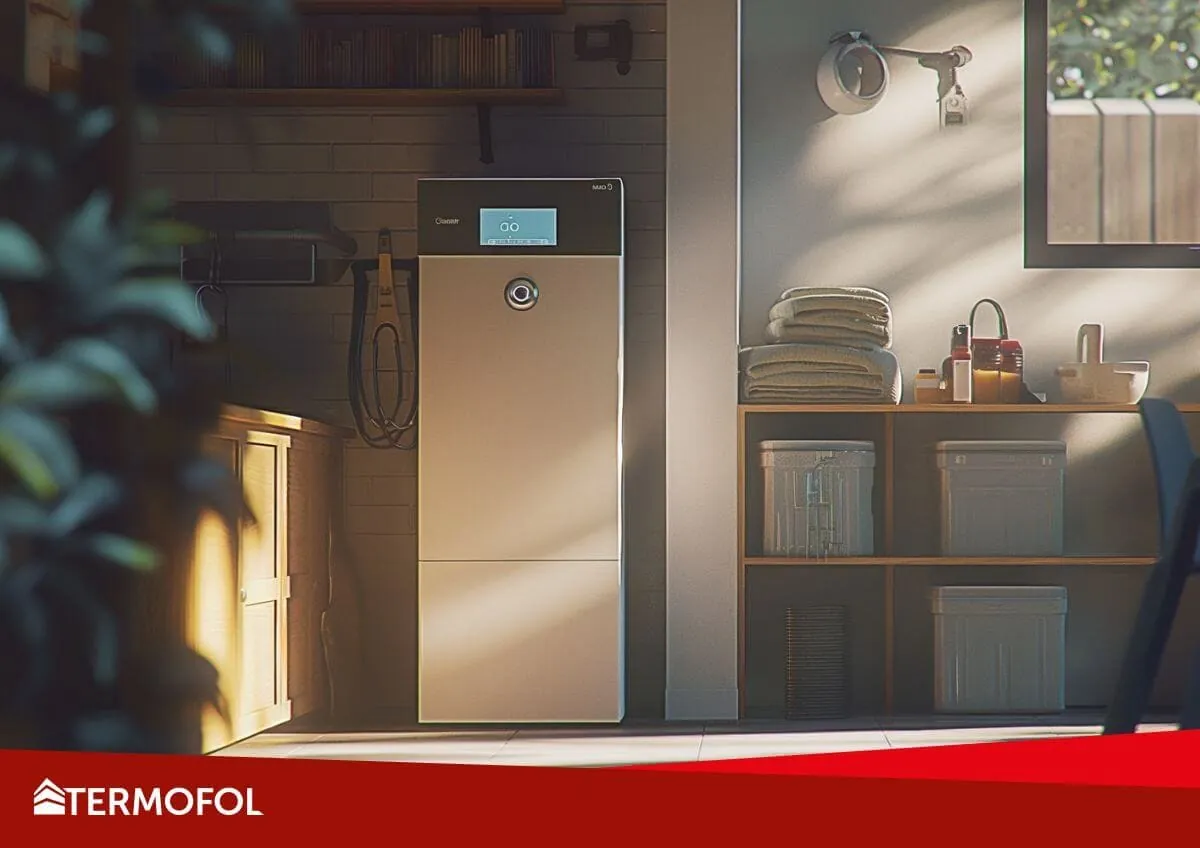
 General information