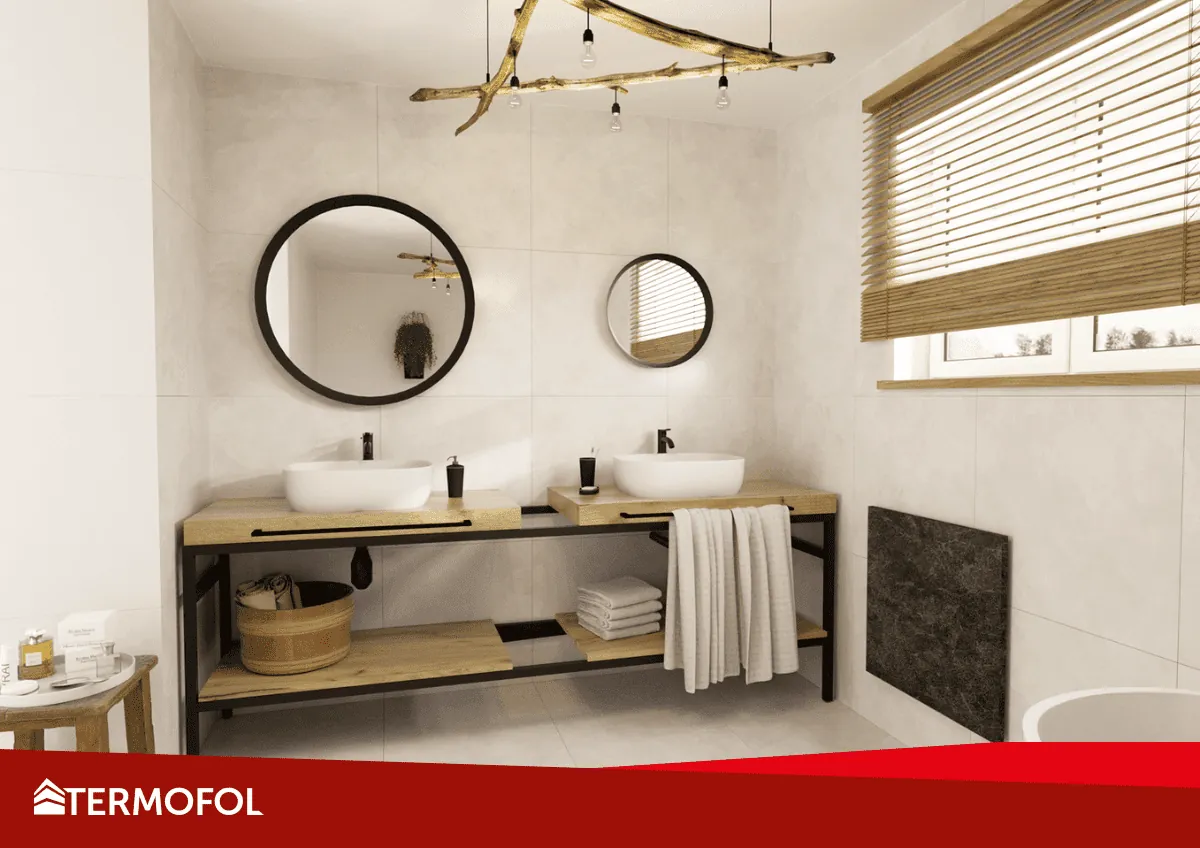
Many people have to struggle with allergies every day, and their quality of life is then seriously reduced. Allergies nowadays have a mass reach and are a threat that many people find hard to protect themselves against in practice. They often affect the youngest, which is particularly dangerous for a child's proper development. For this reason, it is essential to make life easier for such people, and effective heating solutions when heating houses and flats serve, among other things, this purpose. Properly preparing houses or flats is of great importance for the well-being and functioning of an allergy sufferer, but also of the people who share the rooms with them.
Heating and allergies
A clean house or flat is an essential condition for the proper functioning of a person struggling with allergies. Frequent cleaning of rooms is necessary, and sometimes even filtering the air in the rooms. There is also a need to eliminate textile items, on which dust and pollen settle more often. Thick carpets and rugs, as well as heavy curtains and upholstered furniture, are inadvisable. What the comfort of staying at home depends on to an even greater extent is the heating itself. Air circulation is at the same time associated with the movement of pollen, dust and pollutants, which harms allergy sufferers. Inside a traditional radiator, as the basis of convection heating, dirt and dust settle and are hard to clean because of the radiator's construction. The warm air that flows out of this radiator also leads to the spread of pollutants throughout the room. For this reason, allergy sufferers are advised to install radiators that can be cleaned of contaminants more easily.
Underfloor heating as an alternative and a comfort for allergy sufferers
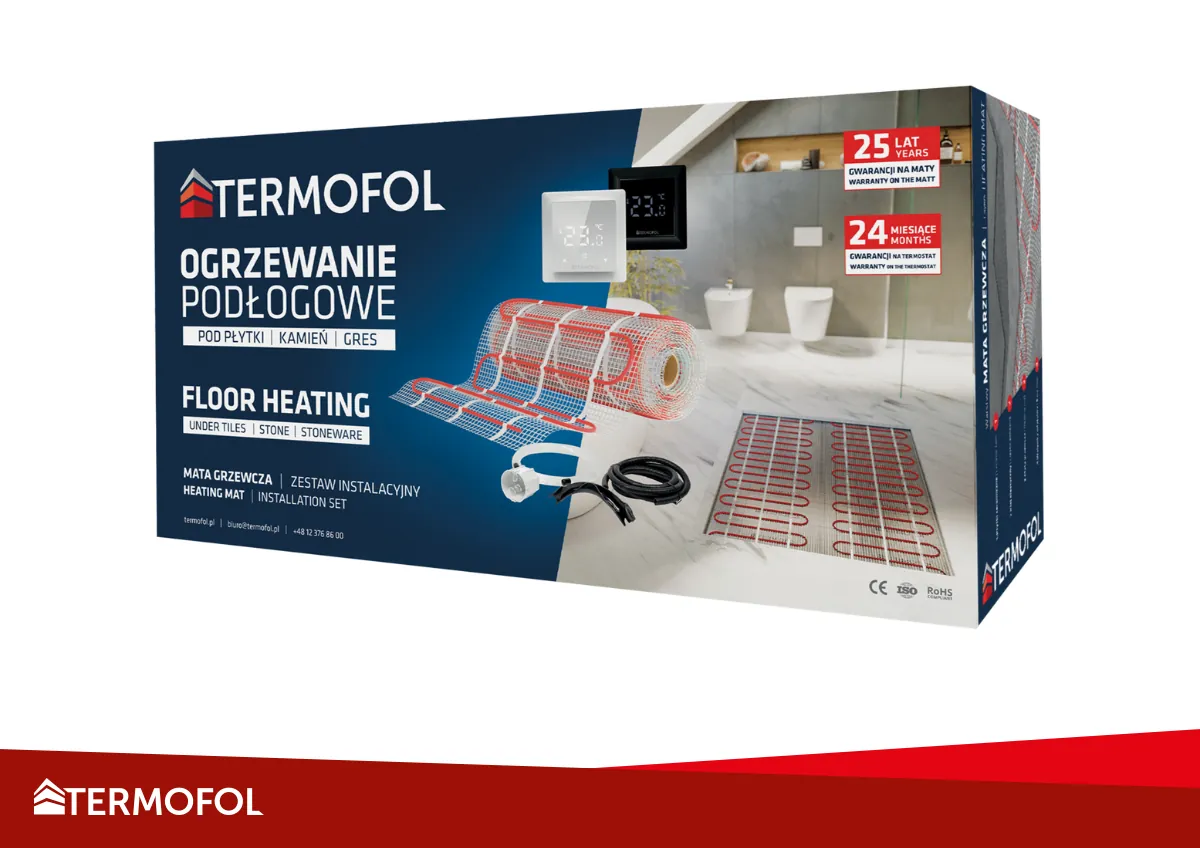
There is, however, a solution that is much more convenient and practical to use, and that is underfloor heating. There are no radiators here, and a person can enjoy not only a pleasantly warm floor, but also the effective heating of the entire room. This method of delivering heat is characterised by convenience and comfort for all users in a house or flat. In rooms where this method of heating is used, the air is not as dry as with traditional heating using radiators. An obvious benefit is also the elimination of convective air movements and thus the prevention of the movement of dust, pollen and other pollutants. This in turn represents a key opportunity to improve the quality of life of allergy sufferers. Under these conditions, the risk of respiratory diseases is also reduced. From the point of view of the household members' comfort, a warm floor is of key importance especially in rooms tiled with porcelain stoneware or stone. These materials are the easiest to keep clean, so they work well in rooms frequently used by people with allergies.
What heating should be used in an allergy sufferer's home?
An important solution in heating rooms to the benefit of allergy sufferers may be infrared heating. Infrared heating panels have no internal convection elements, nor a top cover or side covers, which distinguishes them from classic plate radiators. It is worth adding that science has proven that infrared-based underfloor heating is a healthy example of the effect of heat on the human body. This method of heating regularly cleans the room itself of dust and prevents convective movements of air masses. In an allergy sufferer's home, it fulfils its function much better than classic radiators.
 +48 12 376 86 00
  Downloads
  biuro@termofol.pl


 Blog Termofol
 Published: April 6, 2020
  Reading time: 3 minutes
 General information