Winter is a demanding time not only for roofs, gutters, or water installations. Low temperatures can also cause serious problems in sewage systems, external drains, and technological pipelines. A frozen drain pipe, blocked sewage system, or cooled process line can halt the operation of a home, business, or manufacturing facility.
That is why modern heating systems such as heating cables for sewage, heating cables for pipes, and installations designed for heating pipelines are increasingly being used.
In this article, we explain:
- what problems arise in sewage systems and drains during winter,
- how to protect underground pipes from frost,
- what heating of technological pipelines is,
- where such systems are used,
- how to select the power of the heating cable.
Why Do Sewage Systems and Drains Freeze?
Although many people associate freezing solely with water pipes, the problem often also affects sewage systems and drains.
The most common causes include:
- low wastewater flow,
- long periods of inactivity of the installation,
- pipes run outside,
- too shallow installation depth,
- lack of thermal insulation,
- pipes exposed to wind and frost,
- seasonally unused drains.
In such situations, an effective solution is a heating cable for drains or a sewage pipe heating system.
Sewage Systems in Winter – Typical Problems
- Blocked Drain
Frozen water or deposits in the pipe can block the flow.
- Backflow of Sewage
With a blocked sewage system, there is a risk of backflow.
- Pipe Bursting
Ice increases in volume, which can lead to leaks in the installation.
- Inability to Use the Facility
This is particularly problematic in:
- holiday homes,
- service points,
- warehouses,
- seasonal facilities,
- office containers.
Therefore, heating of water installations and sewage systems should often be planned together.
How Does a Heating Cable for Sewage Work?
A heating cable for sewage emits heat and maintains a positive temperature in the pipe, preventing the freezing of liquids and deposits.
It can be installed:
- on the outer surface of the pipe,
- under thermal insulation,
- along the pipe,
- in sections particularly exposed to frost.
The system helps:
- maintain the flow of the installation,
- reduce failures,
- avoid costly repairs,
- ensure continuous operation.
When Should You Use a Heating Cable for Drains?
This is a very effective solution in places where the drain is exposed to frost.
Typical applications include:
- external drains,
- gutters and drainage grates,
- linear drains,
- garages and driveways,
- wash stations,
- terraces,
- balconies,
- technical rooms.
A heating cable for drains prevents blockage by ice and snow.
External Drains – A More Common Problem Than You Think
Many failures in winter specifically concern external drains.
The most common consequences include:
- standing water,
- ice on surfaces,
- slippery entrances,
- frozen grates,
- damage to drainage systems.
In such places, it is worth using a heating cable for pipes or a drainage heating system.
Protecting Underground Pipes from Frost
Pipes run underground are usually protected naturally, but not always.
The problem arises when:
- the installation was laid too shallow,
- the ground is prone to severe frost,
- the pipe is located near the foundation,
- the cable runs at the entrance or under paving,
- the installation concerns a seasonal facility.
In such cases, an effective solution is protecting underground pipes from frost using a heating cable and insulation.
Heating of Water Installations – Not Just for Single-Family Homes
Heating systems are used not only in homes.
Popular applications include:
- warehouses,
- workshops,
- manufacturing plants,
- farms,
- public utility buildings,
- external warehouses,
- technical containers.
Thanks to this, heating of water installations protects the continuity of business operations.
What is Heating of Technological Pipelines?
In industry, many media must maintain a specific temperature. This applies to:
- process water,
- process liquids,
- oils,
- industrial chemicals,
- liquid raw materials,
- food media.
In such cases, heating of pipelines is used, which:
- prevents the crystallization of the medium,
- maintains the viscosity of the liquid,
- protects against freezing,
- stabilizes the technological process.
This solution is common in modern industry.
Applications of Cables for Protecting Pipes in Companies and Warehouses
Warehouses
Protection of fire, sanitary, and water installations.
Production Halls
Constant temperature of process media.
Agriculture
Water for animals, agricultural installations, technological cables, pipelines.
Logistics
Containers, ramps, technical rooms.
Gastronomy and Trade
Technical backrooms, drains, external coolers.
How to Select the Power of the Heating Cable?
The selection of power depends on many factors. There is no one universal value.
Factors include:
- pipe diameter,
- cable material,
- length of the installation,
- ambient temperature,
- type of medium,
- thermal insulation,
- installation location (inside/outside/ground),
- required maintenance temperature.
Therefore, it is best to select the system individually.
At TERMOFOL, it is possible to tailor the solution to a specific application.
Thermostat or Self-Regulating Cable?
Thermostat
Turns on heating after a drop in temperature.
Advantages:
- work control,
- lower initial cost.
Self-Regulating Cable
Automatically adjusts power to conditions.
Advantages:
- energy savings,
- convenience,
- high efficiency.
How Much Electricity Does a Heating Cable for Pipes Consume?
Consumption depends on:
- power of the cable,
- length of the cable,
- external temperatures,
- operating time,
- insulation,
- control.
In practice, the operating cost is usually significantly lower than the cost of failures, flooding, or production downtime.
Protecting Pipes and Sewage from Freezing – Frequently Asked Questions (FAQ)
Is a heating cable for sewage safe?
Yes, if it is properly selected and installed correctly.
Can you heat pipes underground?
Yes – special protective solutions are used.
Does the heating cable operate automatically?
Yes, if it works with a thermostat or control system.
Is heating of pipelines used in industry?
Yes – it is standard in many industries.
Why Choose TERMOFOL?
TERMOFOL offers proven solutions for protecting installations in winter and for technical applications:
This combination of effectiveness, safety, and modern technology.
Frost can cause serious problems in homes, businesses, and industrial plants. Therefore, it is worth taking care of heating pipes, sewage systems, and pipelines in advance. A properly selected heating cable for sewage, heating cable for drains, or a system for protecting underground pipes can help avoid costly failures.
Are you looking for a solution for your home, business, or industry?
Contact TERMOFOL. We will help you choose an effective heating system tailored to your installation.
 +48 12 376 86 00
  Downloads
  biuro@termofol.pl


 Blog Termofol
 Published: May 6, 2026
  Reading time: 5 minutes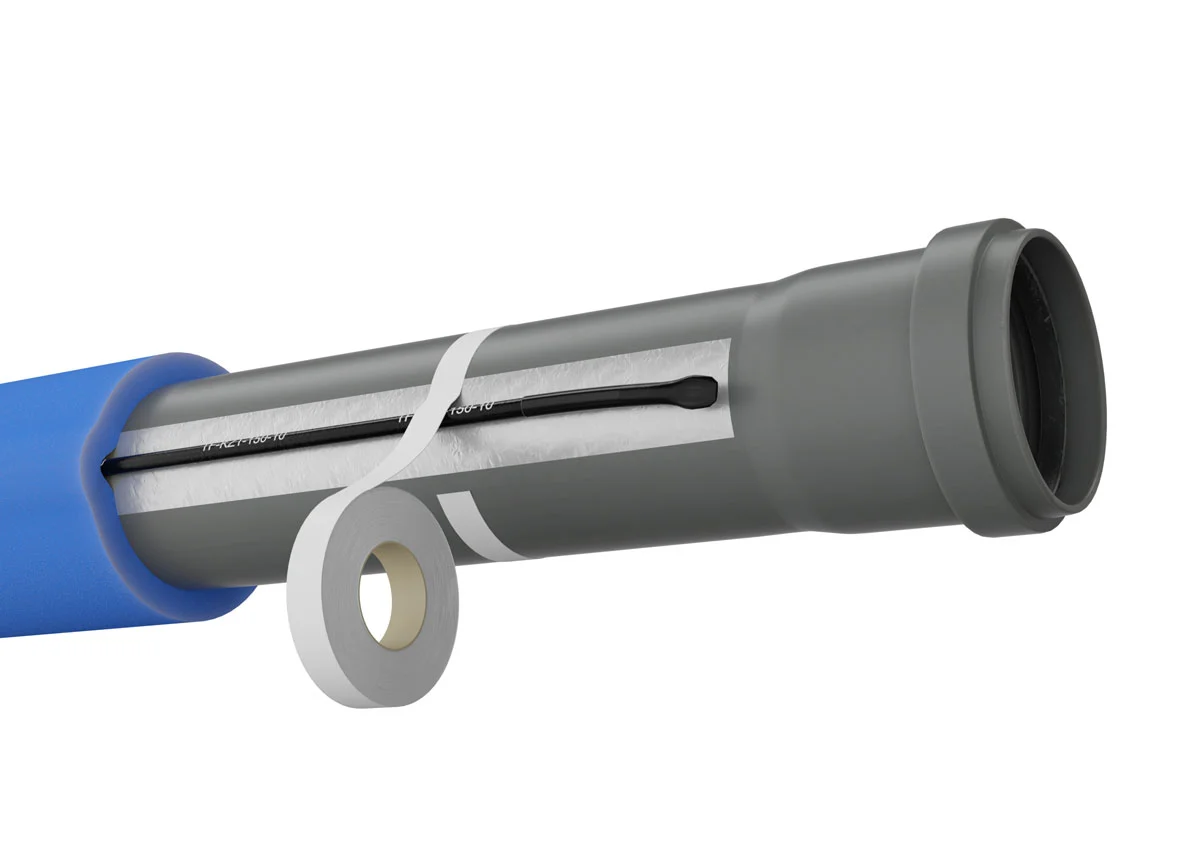
 General information