In today's dynamic world, the rapid development of technology plays a key role in transforming various sectors. One of the most innovative solutions that has revolutionized the energy industry is the Smart Grid, or smart energy grid. In this article, we will take a closer look at how it works.
What is Smart Grid?
The term smart grid often piques curiosity, especially for those outside the energy sector. “Grid” what does it mean? It simply refers to the energy network, and the term “smart” relates to the intelligent solutions that operate within it.
The smart energy grid is an advanced system that utilizes modern technologies to optimize the production, transmission, and consumption of electricity. These technologies facilitate the management of the power grid, reduce outage times, and automate its operations.
For the average user, the Smart Grid is about balancing the supply and demand for electricity. In the case of conventional energy sources, such as coal or gas, this is not necessary, as they are characterized by high stability in energy delivery. However, renewable energy sources (RES) (photovoltaics, wind energy) cannot ensure a continuous supply of electricity. This is due to weather conditions, to which these devices are particularly sensitive. Therefore, the Smart Grid ensures that the demand and consumption of electricity are balanced.
When attempting to define the concept of smart grid, attention is often drawn to the use of telecommunications and information technologies within it. However, in reality, it is the result of fulfilling the same tasks that traditional energy networks had to accomplish under new conditions. Additionally, equating smart grid solely with smart metering is too great a simplification. Such a perspective overlooks a range of possibilities that the new approach to energy structure development and the functionalities of smart grid brings.
How does smart grid work?
The smart energy grid is based on several key elements that work together to manage energy efficiently. One of them is smart energy meters, which replace traditional devices. Thanks to them, it is possible to collect data on energy consumption in real-time, allowing for production adjustments to meet current needs.
An important aspect is also automation. Control systems automatically respond to changes in the grid, minimizing losses and ensuring stability in energy supply. All of this relies on wireless technologies and low-energy communication networks, which enable smooth information flow between devices.
Integration of renewable energy sources
In the context of supporting renewable energy, smart grid plays a crucial role. The system enables effective monitoring of energy production from renewable sources, such as photovoltaic panels or wind turbines. However, that’s not all – demand management is equally important. Thanks to flexible solutions for consumers, it is possible to adjust energy consumption to the availability of renewable energy.
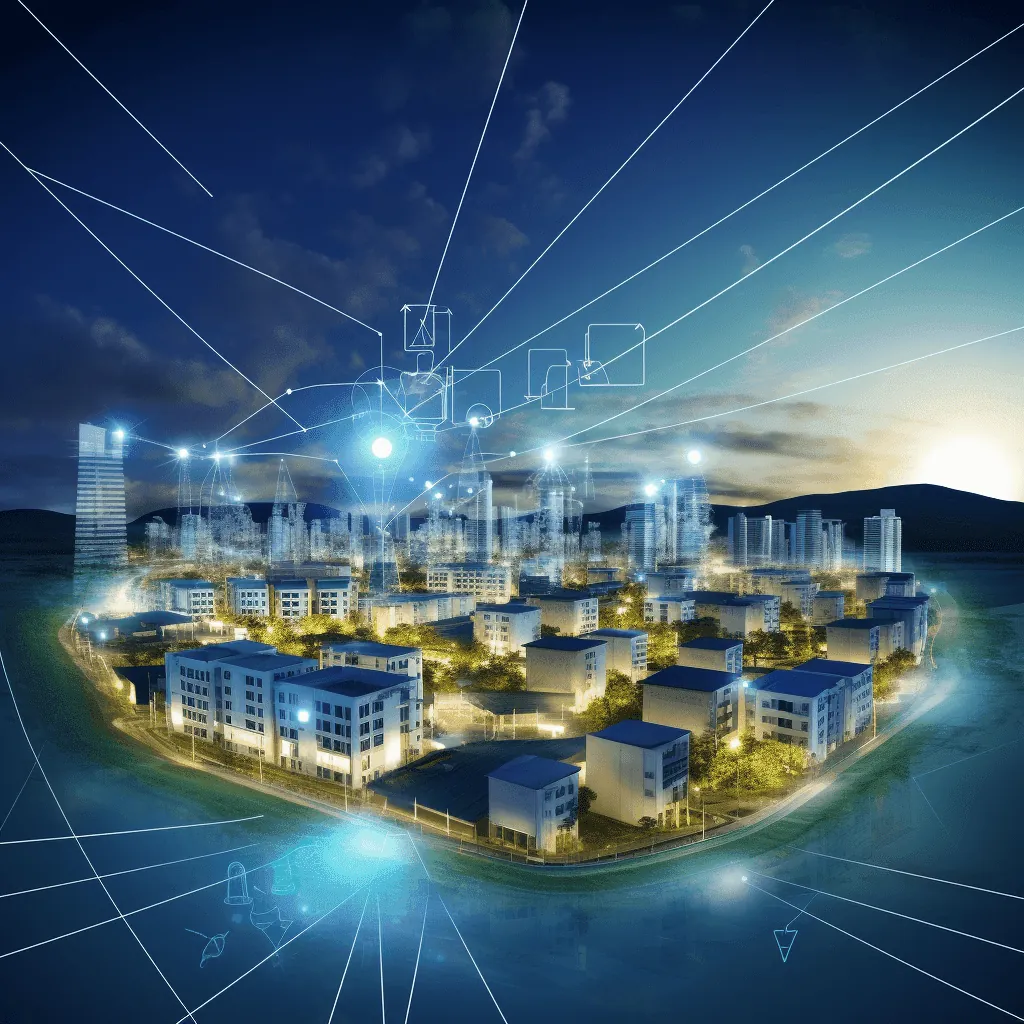
The effective functioning of smart grid requires the implementation of appropriate technologies. Although suitable solutions are already available, it becomes important to understand the rationale for their application in specific conditions and at a given stage of development. One must consider the needs of network users, market participants, and legal issues regulating the energy sector. The components of smart grid in this category rely on the latest achievements in telecommunications techniques and modern devices, particularly in the fields of electronics and power electronics.
Key technologies for smart grid
- Wireless technologies. Support seamless communication between devices in the network, enabling remote monitoring and control.
- Distributed automation. Based on control systems, distributed automation minimizes energy losses and ensures stability.
- Smart energy meters. Collect data on energy consumption in real-time, enabling precise monitoring.
- Low-energy communication technologies. Ensure effective communication over large areas.
- Data analytics and artificial intelligence. Data processing and the use of artificial intelligence enable better forecasting and optimization of the system.
Advantages of smart grid for renewable energy
Smart energy grids have the potential to bring numerous benefits, which can be considered from the perspective of various participant groups, such as consumers, operators, or government bodies. Additionally, they can be classified according to different categories, encompassing technical, economic, or social aspects.
- Flexibility and adaptability. The system adapts to changing conditions, supporting the effective integration of renewable energy.
- Reduction of energy losses. Thanks to precise monitoring and control, energy losses are minimized.
- Optimization of consumption. The ability to adjust consumption to the availability of renewable energy improves system efficiency.
- Increased reliability of supply. Intelligent network management translates into stability in energy delivery.
Summary
Smart grid is not only a technological challenge but also a key element supporting the sustainable development of the energy sector. Thanks to the smart energy grid, we can manage renewable energy more efficiently, which is a step towards a more sustainable future. Energy optimization is becoming a reality, and smart grid is a perfect example of this.
Smart energy grids foster the integration of actions and behaviors of all network participants, generating financial benefits and developing social structures at the local level. Stimulating price incentives aim to encourage consumers to manage resources effectively, which includes reducing peak power demand and flexibly adjusting electricity consumption to the anticipated supply in the grid.
 +48 12 376 86 00
  Downloads
  biuro@termofol.pl


 Blog Termofol
 Published: December 16, 2023
  Reading time: 5 minutes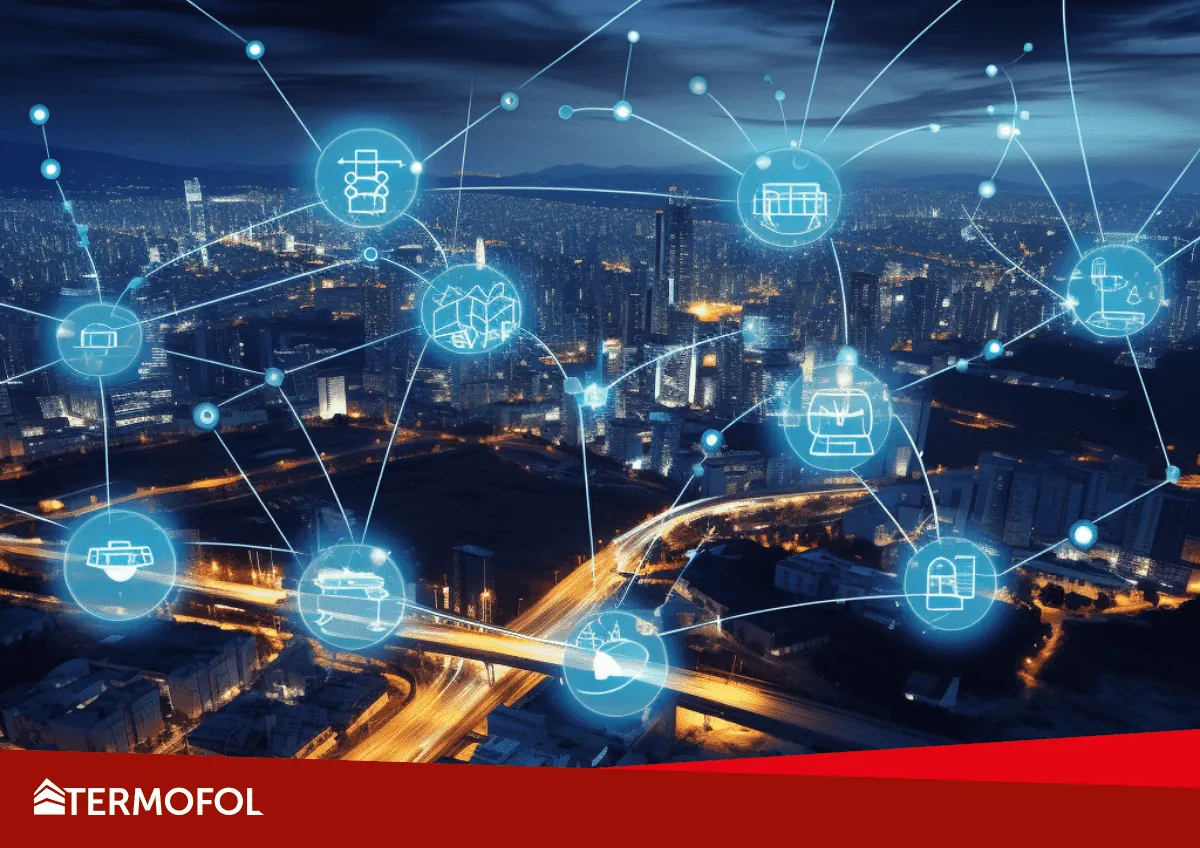
 General information