In the face of rising energy costs and the need for environmental protection, homeowners are faced with the challenging task of insulating their buildings. The thermal modernization relief is becoming an increasingly important support instrument. What can be deducted under this relief? Discover the possibilities it offers and find out how you can benefit from it to enjoy more efficient heating and lower bills.
Deducting thermal modernization relief – what does it offer?
In today’s rapidly changing world, where energy costs are rising and ecological awareness is growing, finding ways to manage heat more efficiently in our homes has never been more important. Therefore, many homeowners are looking for solutions that allow for more efficient use of heat sources in their homes. One of the most fundamental solutions is insulating the house. However, this requires a significant amount of financial resources, which not everyone can afford.
The thermal modernization relief comes to the rescue, which is a key form of financing that can bring significant savings and contribute to improving the energy efficiency of buildings. You already know how important thermal modernization is. What can be deducted from taxes under this relief is equally important knowledge for every homeowner. We discuss this in the following sections of the article.
The thermal modernization relief allows for the recovery of part of the expenses incurred on investments aimed at increasing the energy efficiency of homes and apartments. This amount can be deducted directly from income tax, which significantly reduces the financial burden on investors and simultaneously encourages the implementation of eco-friendly actions.
Understanding how to deduct the thermal modernization relief is crucial for maximizing the benefits of this solution. Tax regulations specify in detail which actions qualify for deduction and require proper documentation of expenses. Therefore, even before deciding on such an investment, it is essential to familiarize yourself with the current guidelines and consult with a tax advisor.
Who can benefit from the thermal modernization relief?
Deductions can be made using the tax scale (using forms PIT-37, PIT-36), in a linear form (using form PIT-36L), as well as by applying a lump sum on recorded income (using form PIT-28). The right to deduct is granted to those who incurred these expenses while also being owners or co-owners of the property undergoing thermal modernization. When considering how to settle the thermal modernization relief in PIT, taxpayers should remember about the PIT/O attachment, which is necessary to include the relief in the annual tax return.
A frequently asked question among homeowners considering such a solution is: thermal modernization relief and lack of tax, more specifically – can they go hand in hand? The answer is affirmative, but only partially. The relief itself does not exempt from tax, but it has a mechanism that allows for "deferral."
In this regard, the question arises: can the thermal modernization relief be deducted in subsequent years? There is such a possibility if the expenses for the work exceed the homeowner's income. However, settlements must be made within a maximum of 6 years from the end of the tax year in which the work began.
Thermal modernization relief – what can be deducted?
Since 2020, in Poland, the deduction of thermal modernization relief allows taxpayers to reduce expenses related to improving energy efficiency in residential buildings. However, it is important to keep in mind that the detailed rules regarding this relief may change, so it is essential to verify current information on the Ministry of Finance's website or with tax advisors. What can the relief be used for? Here are some of the main activities:
- Insulation of the building: Includes insulation work on external walls, roofs, ground floors, and other building elements that can significantly reduce heat loss.
- Replacement of windows and doors with energy-efficient ones: Purchase and installation of new windows and doors with better thermal insulation parameters, which help reduce the energy demand needed to heat rooms.
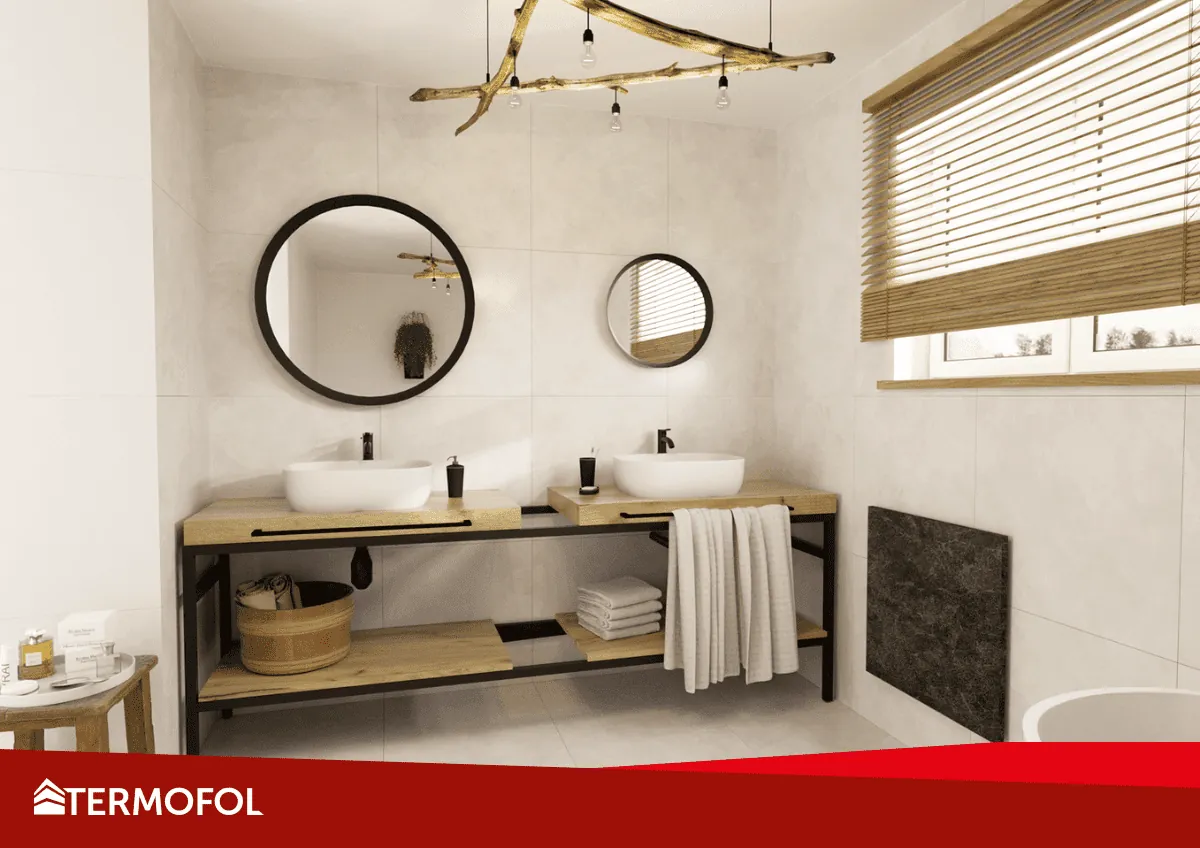
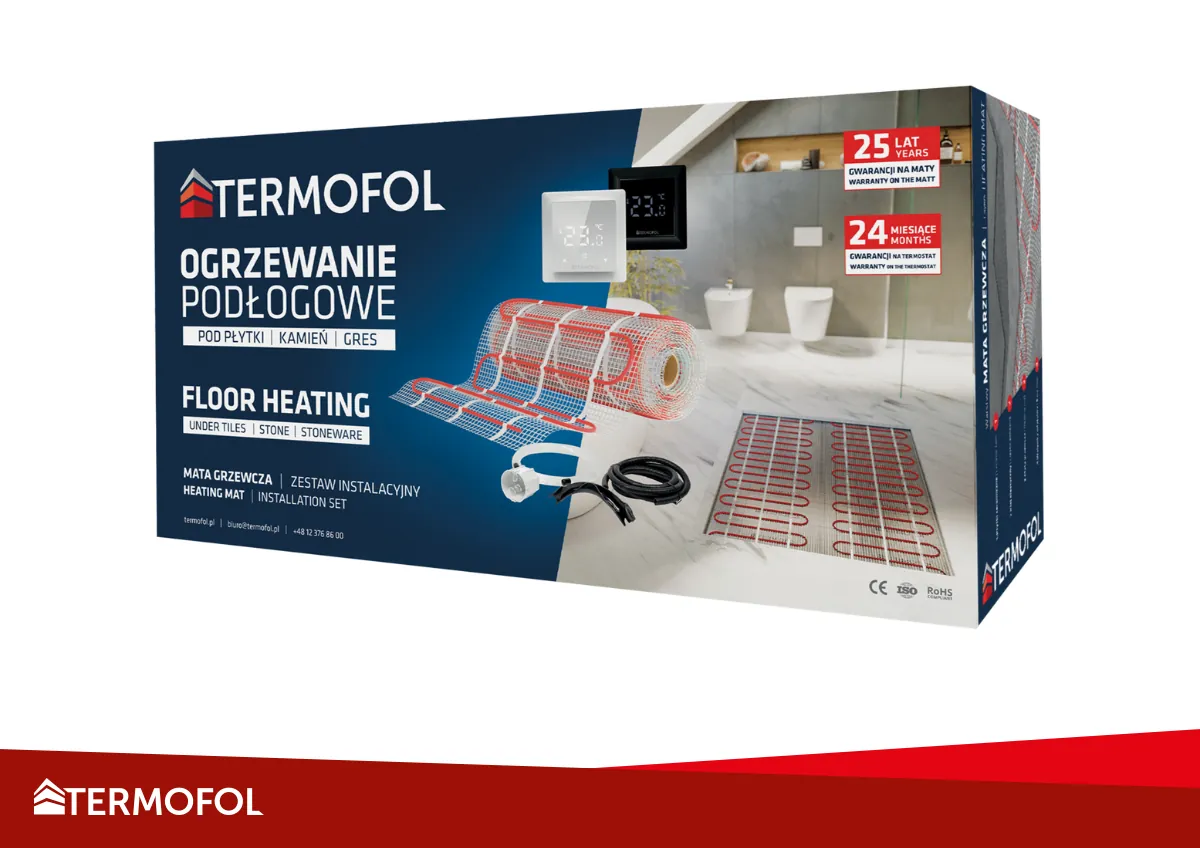
- Modernization of the heating system: Replacement of old solid fuel, gas, or oil boilers with more modern solutions, such as condensing boilers, heat pumps, infrared heating systems, which are more efficient and eco-friendly.
- Installation of renewable energy sources: Installation of photovoltaic panels, solar collectors that use solar energy to produce heat or electricity, contributing to reducing dependence on conventional energy sources.
- Modernization of the ventilation system: Installation of mechanical ventilation with heat recovery, which allows for more efficient recovery of heat from the air expelled from the building while ensuring the supply of fresh air.
- Sealing the building: Work aimed at eliminating leaks in the building through which uncontrolled heat loss occurs, e.g., through uninsulated ventilation ducts, skirting boards, or around windows.
- Installation of smart energy management systems: Building automation systems that enable optimization of energy consumption through central management of heating, lighting, and other systems in the building.
It is clear how beneficial it is to deduct from taxes. Thermal modernization, although costly, becomes affordable for many homeowners when considering the discussed relief mechanism.
How to deduct the thermal modernization relief?
The maximum amount that can be deducted is 53,000 PLN for a single thermal modernization project. This means that if the expenses qualifying for the relief exceed this amount, the taxpayer can deduct a maximum of 53,000 PLN from their income tax.
Let’s look at an example calculation of the thermal modernization relief:
Assume that a taxpayer, while carrying out thermal modernization of their single-family home, spends 80,000 PLN on activities qualifying for the relief, such as insulating the building, replacing windows with energy-efficient versions, or installing a new heating system.
The taxpayer can benefit from the maximum deduction amount of 53,000 PLN. In a situation where they are required to pay, say, 10,000 PLN in income tax in a given year, the relief allows for the deduction of part of the thermal modernization expenses, resulting in a reduction of their tax liability.
It is worth noting that the thermal modernization relief accumulates in the case of spouses. However, both must be co-owners of the house and meet all the requirements for the thermal modernization relief. In this case, the relief amount is 106,000 PLN.
Thermal modernization relief and savings on heating
In concluding our discussion on thermal modernization relief, it is important to highlight the main conclusions that can motivate actions to increase the energy efficiency of homes. This relief is not only financial support but also an important element in the state’s strategy to promote sustainable development and environmental protection by reducing energy demand and limiting harmful gas emissions.
If the thermal modernization relief alone hasn’t convinced anyone yet, it’s worth knowing the benefits of an insulated home. If your building lacks insulation, the heat emitted by the heating system "escapes" outside the building. This leads to a situation where you need to supply more thermal energy to the house to maintain the appropriate thermal comfort for its residents. By supplying more heat, you have to pay more for it.
On the other hand, in a well-insulated house, heat does not escape outside. As you can easily infer, you need to supply less energy to keep all household members warm. Consequently, you will pay less for heating. As you can see, thermal modernization is not only an ecological issue but primarily an economic one, meaning savings.
In summary, the thermal modernization relief is an important tool in the pursuit of a more sustainable and energy-efficient way of living. We invite you to continue the discussion on this topic and to follow the latest trends in energy. We also encourage you to visit our TERMOFOL store or contact specialists who can provide additional information and assistance regarding the best thermal modernization solutions for homes.
 +48 12 376 86 00
  Downloads
  biuro@termofol.pl


 Blog Termofol
 Published: April 4, 2024
  Reading time: 7 minutes
 General information