Thermal modernization is becoming an increasingly popular way to improve the energy efficiency of buildings, which translates into savings and thermal comfort for residents. An energy audit is a key element of this process, allowing for a thorough understanding of the technical condition of the building and the identification of areas requiring modernization. In this article, we will discuss the benefits of thermal modernization, the process of conducting an energy audit, and we will provide tips on what to pay attention to when choosing products for thermal modernization.
Benefits of Energy Audit and Thermal Modernization
In times of rising energy prices used during daily use of electrical devices and heating the house, it is extremely important to understand all the elements that affect the reduction of energy consumption in the building. An energy audit helps with this.
Energy Audit Thermal Modernization
Conducting an energy audit allows for a thorough understanding of how the building consumes energy. This way, it is possible to identify places where the greatest heat losses occur, which is essential for effective thermal modernization. This includes assessing thermal insulation, heating systems, ventilation, and windows and doors. Thanks to the audit, it is also possible to determine which actions will be the most cost-effective and bring the greatest energy benefits. It forms the basis for planning thermal modernization activities for the building.
Thermal Modernization of a Building
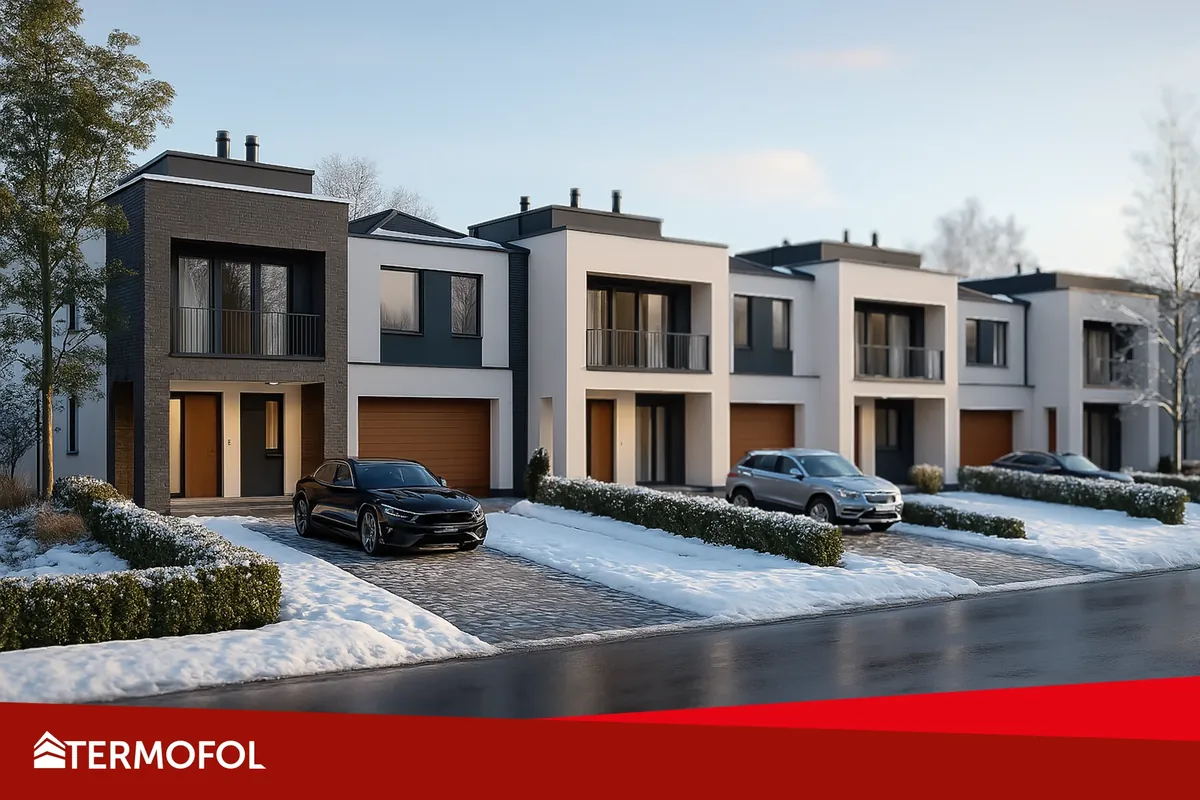
Thermal modernization of a building brings many benefits, both ecological and economic. Firstly, it reduces energy consumption, which directly translates into lower heating bills. Secondly, it improves the thermal comfort of residents, which is particularly important during the winter months. Thirdly, it reduces carbon dioxide emissions, which is beneficial for the environment. Finally, thermal modernization can increase the value of the property, which is important for owners planning to sell or rent the building.
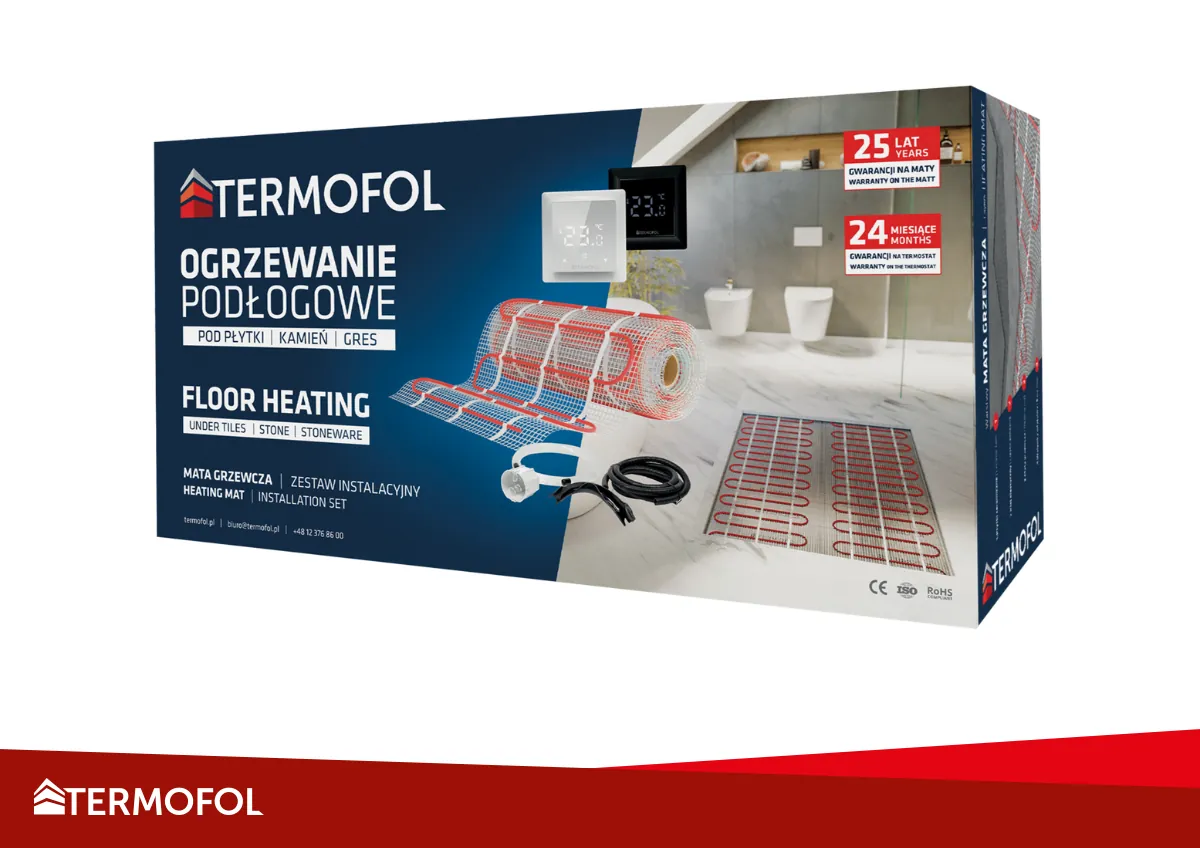
In buildings that have undergone thermal modernization, heating systems based on films and heating mats work perfectly. Well-insulated rooms, modern, tight windows and doors ensure that the heat generated by the heating system is retained in the building for longer. At the same time, the system can operate for a shorter time, consuming less energy to heat the rooms.
What is Thermal Modernization?
Thermal modernization is the process of modernizing a building to increase its energy efficiency by improving thermal insulation and the efficiency of heating systems. This includes a range of activities such as insulating walls, roofs, and floors, replacing windows and doors with more energy-efficient ones, modernizing heating and ventilation systems, and installing renewable energy sources such as photovoltaic panels or solar collectors. All these actions aim to reduce energy consumption and improve the thermal comfort of residents.
Energy Audit Thermal Modernization
An energy audit is a key element of the thermal modernization process. It involves a detailed analysis of energy consumption in the building, identifying areas of heat loss, and developing recommendations for actions to improve the energy efficiency of the building. The energy audit includes assessing thermal insulation, heating systems, ventilation, and windows and doors. Based on the audit results, a thermal modernization plan can be developed that will allow for the best results to be achieved.
Cost of Thermal Modernization
The cost of thermal modernization can vary depending on the scope of work, the technical condition of the building, and the selected materials and technologies. However, it is worth remembering that investing in thermal modernization brings long-term savings in the form of lower heating bills and increased property value. Additionally, many countries offer various types of grants and tax incentives for thermal modernization work, which can significantly reduce investment costs.
What Does Thermal Modernization of a Building Include?
Thermal modernization of a building includes a range of activities aimed at improving its energy efficiency. This includes insulating walls, roofs, and floors, replacing windows and doors with more energy-efficient ones, modernizing heating and ventilation systems, installing renewable energy sources, and introducing smart energy management systems. All these actions aim to reduce energy consumption, improve the thermal comfort of residents, and reduce carbon dioxide emissions.
Thermal Modernization of a Multi-Family Building
Thermal modernization of a multi-family building is more complicated than thermal modernization of a single-family house due to the larger scope of work and the need to obtain the consent of all residents. However, the benefits of thermal modernization of a multi-family building are significant. In addition to lower heating bills, thermal modernization can improve the thermal comfort of residents, increase property value, and contribute to environmental protection.
What to Consider When Choosing Products for Thermal Modernization?
Choosing the right products for thermal modernization is crucial for achieving optimal results in energy savings and improving thermal comfort in the building. Here are a few important factors to consider when making decisions about purchasing materials and technologies for thermal modernization:
Thermal Conductivity Coefficient (λ)
One of the most important parameters when choosing insulation materials is the thermal conductivity coefficient, denoted by the symbol λ (lambda). The lower the value of this coefficient, the better the material insulates, which translates into lower heat losses. Materials with a low λ coefficient, such as mineral wool, polystyrene, or polyurethane foam, are excellent choices for thermal insulation of walls, roofs, and floors.
Thickness and Density of Insulation Material
The thickness and density of insulation material affect its insulating properties. Thicker layers of insulation provide better protection against heat losses, but it is important to remember that excessive thickness may be impractical in some applications. It is also important that the material has the appropriate density, which will ensure its durability and resistance to settling.
Heat Transfer Coefficient (U) for Windows and Doors
When choosing windows and doors, the key is the heat transfer coefficient (U). It determines how much heat passes through the element per unit area per unit temperature difference. The lower the U value, the better. Modern windows and doors with a low U coefficient significantly reduce heat losses, which translates into lower energy consumption for heating.
Energy Efficiency of Heating and Ventilation Systems
Heating and ventilation systems should be chosen with their energy efficiency in mind. Modern solutions provide not only high efficiency but also energy savings. When choosing heating systems, it is worth paying attention to their energy class and certificates confirming compliance with standards.
Moisture and Weather Resistance
Insulation materials used on the outside of the building must be resistant to moisture, mold, and other weather factors. This ensures that they retain their insulating properties for many years. For internal insulation, it is worth choosing materials that are vapor-permeable to prevent moisture condensation inside the walls.
Certificates and Standards
When choosing products for thermal modernization, it is worth paying attention to their certificates and compliance with standards. Products with certificates such as CE, Energy Star, or local quality certificates guarantee that they meet specific standards and will operate efficiently.
Cost of Thermal Modernization
The cost of thermal modernization depends on many factors, including the choice of materials and technologies. Although cheaper products may seem attractive at first, it is worth investing in higher quality materials and systems that will provide long-term savings and better insulating parameters. Long-term savings on energy costs can significantly exceed initial expenses.
Aesthetics and Compatibility with Existing Structure
When choosing materials for thermal modernization, it is also worth paying attention to aesthetics and their compatibility with the existing structure of the building. Modern solutions allow for combining functionality with aesthetics, which is particularly important in the case of historic buildings or those with a specific architectural style.
Summary
An energy audit and thermal modernization are key elements in the process of improving the energy efficiency of buildings. By conducting an energy audit, one can thoroughly understand how the building consumes energy and identify areas where the greatest heat losses occur. Based on the audit results, a thermal modernization plan can be developed that will allow for the best results to be achieved. Choosing the right products for thermal modernization is crucial for achieving the best results. It is worth choosing products from reputable manufacturers known for their high quality and durability. Through thermal modernization, energy consumption can be reduced, the thermal comfort of residents improved, and environmental protection contributed to.
 +48 12 376 86 00
  Downloads
  biuro@termofol.pl


 Blog Termofol
 Published: June 24, 2024
  Reading time: 7 minutes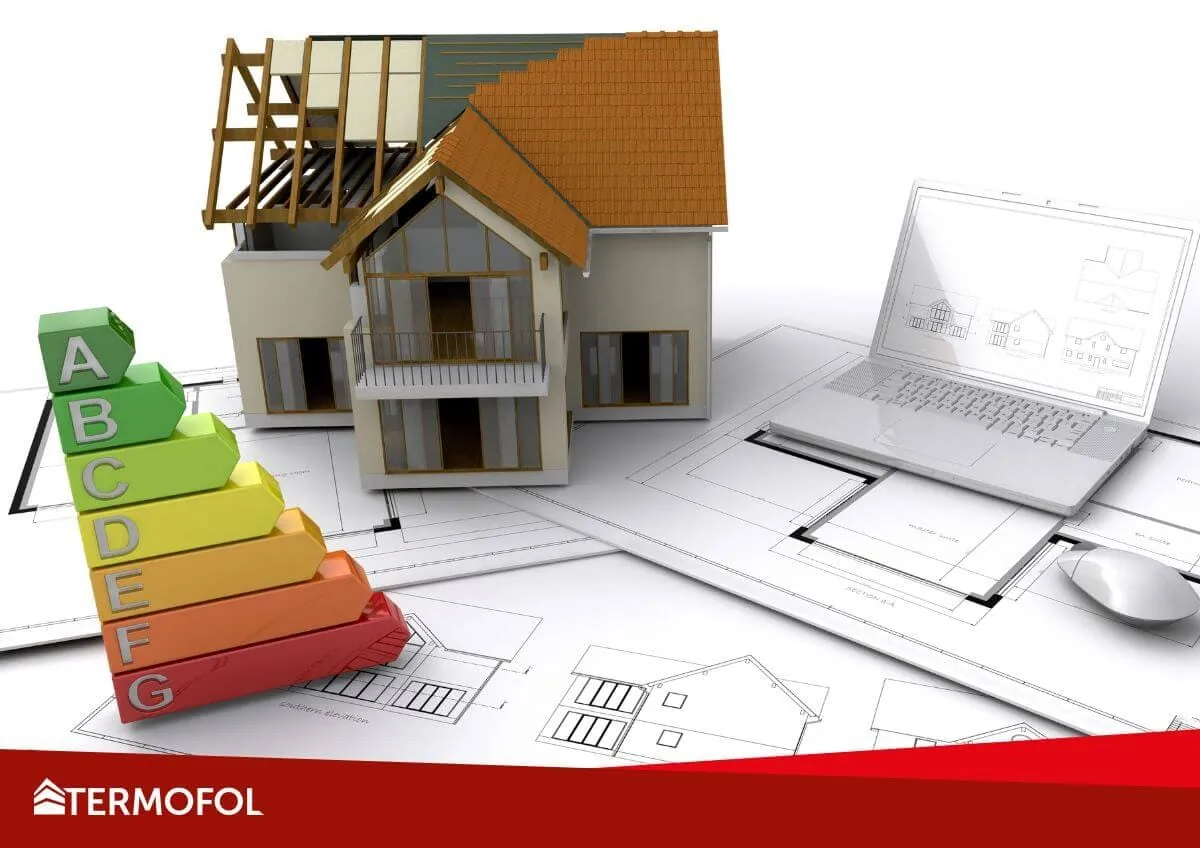
 General information