Why is the underfloor heating not heating?
The blame for the poor performance of the system lies with several factors that need to be correctly diagnosed before any repair actions are taken. Future heating efficiency is largely determined at the stage of selecting components and their installation. The quality of the components affects not only comfortable use and reliability but also the most important function of the system – optimal heat distribution throughout the room. In today’s article, we will analyze common problems encountered by those installing underfloor heating in their homes. What can be done to avoid them? How to address them when they occur? What equipment should be chosen to enjoy a cost-effective and efficient source of heat in the apartment?
Underfloor heating not heating – what to do?
We will soon describe phenomena that destructively affect the described system. A cold floor in the house is a nightmare for a certain group of customers who decide to install heating under the floor. It is important to make a significant distinction regarding the technology of the heating system. We distinguish between two types of the described heating: water and electric. In the water system, the heated liquid is distributed through a network of pipes placed in the floor and connected to the central heating system. The increase in temperature in the room occurs according to the principles of convection and thermal radiation. The efficiency of the wet underfloor heating system depends on dozens of factors. Some of them will be revealed in the following paragraphs, which will help understand the complexity of this type of investment. A modern alternative is the installation of heating based on heating mats or heating film, laid directly under the floor. Their advantages primarily focus on the convenience of adjusting heating parameters to personal preferences, automation of the heating process, and the longevity of the components. Heating issues can occur in both water and electric systems. Although both types rely on the same physical laws, reality shows how different they are in terms of durability and predictability.
Why is the underfloor heating not heating – what are the causes?
Let’s imagine a situation – first, the floor heats poorly. Heating the room takes a very long time, and when we finally manage to achieve the proper thermal comfort, it suddenly turns out that the underfloor heating is heating too much. In one sentence – it is impossible to achieve optimal thermal comfort. Despite having installed underfloor heating, the cold surface in some parts of the rooms has not disappeared at all. After some time, the heating does not heat at all, and we wonder what went wrong… A nightmare...
The problems described above are unfortunately a fairly common occurrence in water systems installed without a proper design. Individual investors often decide to completely trust the installation team and refrain from spending a few hundred zlotys on creating a proper water heating project. Meanwhile, it is precisely at the design stage that the parameters of the central heating are taken into account, which form the basis for the hydraulic system in underfloor heating. Without thorough knowledge of the system's efficiency, the installation of underfloor heating is a lottery. If the heating does not heat, the first thing to consider is errors in the design of the loops, the occurrence of leaks, or the use of faulty parts. Experienced designers take into account the heat transmission properties of the flooring used, the installation of appropriate control automation, detailed planning of the layout and spacing of the pipes, and avoiding the installation of piping under appliances or furniture. If the pressure generated by the hydraulic system is too low – the upper part does not heat. If the underfloor heating heats partially, then one should focus on searching for air in the pipes, which hinders the heat distribution process. An air-locked underfloor heating system is a common problem for owners of water systems and is the result of design and installation errors. The symptoms of this phenomenon and ways to bleed it require a separate paragraph. It is worth being aware that although water heating offers seemingly lower operating costs, it is fraught with problematic situations. In extreme cases, failures require the dismantling of a large part of the pipe loops, which drastically reduces the cost-effectiveness of such a solution.
If electric underfloor heating heats poorly, the causes should be sought in the incorrectly selected power of the heating mat or ineffective installation. A faulty thermostat, which is the heart of the entire system, can also be responsible for the problems. Therefore, we emphasize the importance of using the offerings of the best manufacturers. A larger initial expense guarantees savings in the long term. Fortunately, in the case of installing good heating mats, the concern about how to bleed the underfloor heating is completely eliminated. The lack of water flow means that the symptoms of an air-locked underfloor heating system will never appear here. If the electric underfloor heating is heating too much, we modify the parameters in the control system. If, despite having the aforementioned heating, the upper part does not heat, the most common cause is a faulty connection to the electrical system or a failure of the heating mat itself. Such situations occur extremely rarely, which in itself is a recommendation for the installation of electric underfloor heating.
Symptoms of an air-locked underfloor heating system
An air-locked underfloor heating system means that there is air in the heating pipes, which hinders or completely prevents the flow of heating liquid in the system. The symptoms of air-locking usually focus on noticeably low heating efficiency. If the water underfloor heating heats poorly in some rooms, it is highly likely that it needs to be bled. In situations where electric heating heats poorly, the first object of suspicion becomes the installation fault or technical problems with the heating mats. When the water underfloor heating heats partially, the initial diagnosis focuses precisely on the air-bleeding system. Other symptoms that reveal an air-locked underfloor heating system include characteristic knocks or bubbling under the floor.
How to bleed underfloor heating?
To bleed the system, we must use the air vents built into the manifold. The heating system pump must reach maximum power, which will help in the free circulation of the liquid through the system. Bleeding requires opening only one valve on the manifold for the loop we want to bleed. If the air vent stops showing signs of escaping air, we proceed to open the next valve until the process is completed in all loops. The bleeding process is somewhat more complex when the manifold is located on a lower floor than the underfloor heating. The upper part does not heat, and we want to bleed the pipes – what to do then? The only way is to open the system and remove the air-locked water from it. Allowing water to flow will help eliminate the air bubbles that cause the underfloor heating to heat partially or to stop working altogether.
For those with water heating, a cold floor heralds upcoming problems. We have not exhausted the full list of possible failures here. Those who decide on this type of heating must be aware that problems may arise throughout the product's lifecycle. The quality of installation and the durability of the components depend not only on comfort but also on safety.
Electric underfloor heating system – is it worth choosing?
Determining the cause of why electric underfloor heating heats poorly is much easier than in the case of water heating. The most important determinant of effective electric heating is the quality of the heating mats and a good design of the heating system. It is not worth saving on this. The installation of electric heating eliminates many disadvantages of water systems, which translates into lower operating costs in the long term. Heating mats from the best manufacturers guarantee efficiency and reliability for many years. These two features make electric heating under the panels begin to dominate in modern properties, providing users with the greatest comfort.
 +48 12 376 86 00
  Downloads
  biuro@termofol.pl


 Blog Termofol
 Published: June 6, 2023
  Reading time: 7 minutes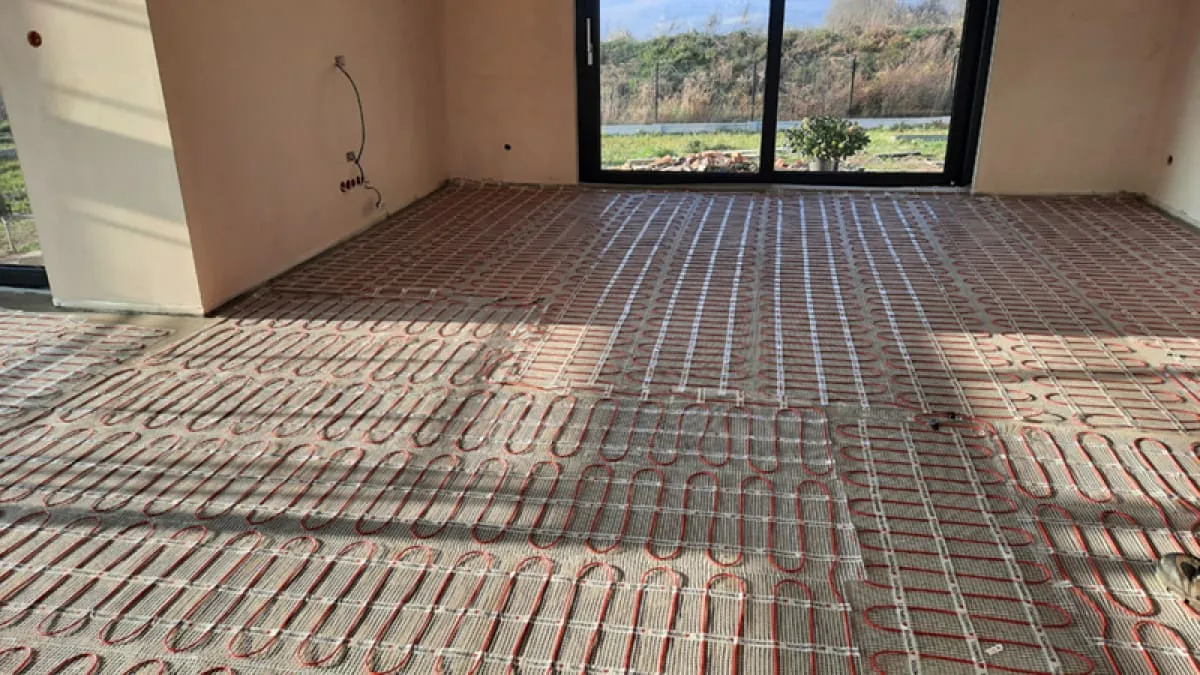
 General information