Applications and Advantages of Heating Films
Heating films are thin and flexible, characterized by varying electric voltage values, making them widely used means for thermal insulation of buildings. They are also notable for their versatility – they can be used to heat apartments, houses, industrial halls, offices, hospitals, churches, boats, hotels, and other buildings.
Using Films as a Heating System
Infrared heating films can be configured as:
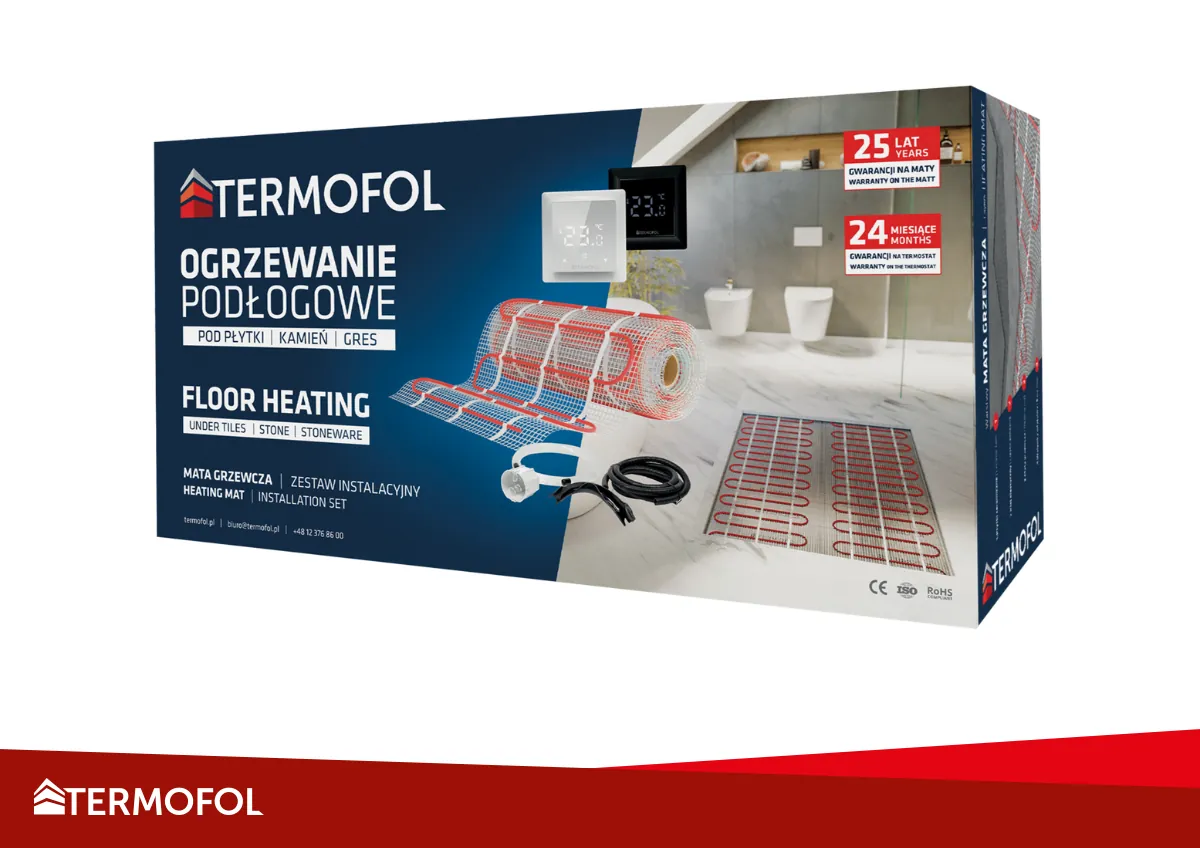
- a type of underfloor heating, including under panels, tiles, stone or porcelain, wooden boards, industrial, anhydrite, or cement screeds, under industrial carpets, under vinyl panels;
- a type of wall heating, distinguishing between heating under tiles and under dry construction;
- heating under mirrors – heating films under mirrors;
- ceiling heating;
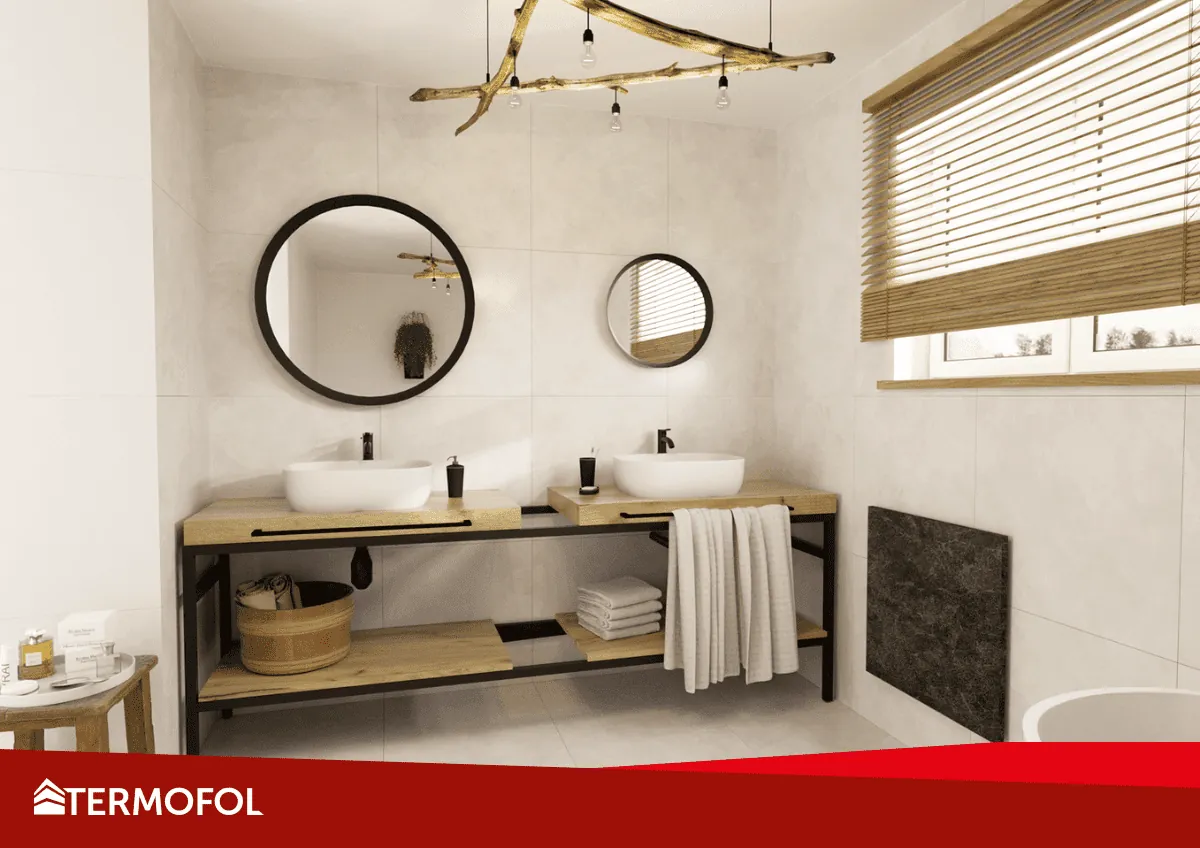
- bathroom radiator;
- heating platforms and pedestals;
- heating workstations.
Key Strengths of Infrared Heating Films
The use of heating films comes with numerous advantages for users who opt for this form of thermal insulation. Example benefits include the following aspects:
- low operating costs of the films;
- financial savings for the user compared to alternative heating solutions;
- high efficiency evident in the even distribution of temperature in the room and the reliability of the heating system;
- relatively quick and simple installation of the system;
- high safety of system use;
- quick effects in heating the room with precise temperature control in its individual parts;
- no need for costly annual servicing of the system;
- elimination of the risk of carbon monoxide poisoning or explosion and no carbon dioxide emissions;
- possible integration of the system with a PV solar or wind system, which helps reduce electricity costs;
- no need to allocate a separate room for a boiler room, as well as no need to build a flue;
- improvement of the quality of life for allergy sufferers due to the fact that heating films reduce convection in rooms;
- the ability to remotely control temperature changes in rooms.
Heating with Heating Films in Business Activities
Numerous businesses and farms can benefit from the aforementioned strengths of heating systems utilizing infrared films. The heating solutions mentioned are dedicated, among others, to heating tanks, barrels, containers, tables, cabinets, and shelves, as heating chambers, tunnels, and ducts, as well as for heating cages, technical devices, or terrariums. The applied film adheres to flat surfaces, allowing for space savings and improving aesthetics. The heating element is maximally thin and covers a large heating area. It is flexible, as users can cut heating strips to a length of up to 45 meters depending on their needs. Using such a heating system poses no threats to household members or employees in the workplace.
Heating with Heating Films in Medical and Recreational Activities
Heating films also find wide applications in medical and rehabilitation activities, as well as in various forms of recreational and relaxation activities. In the former, heating systems function as collars, belts, chairs, and beds, or as heating screens. In recreational and relaxation activities, with visible health benefits, infrared saunas can be used to improve the well-being of users. In each of the mentioned cases, heating films contribute to improving the quality of life and often also the health of individuals. They support the cell renewal process, enhance regeneration and relaxation, and positively affect the body's water-electrolyte balance. They can also be useful in treating injuries and rheumatic ailments. The use of the above solutions in treatment also leads to better weight loss results. It strengthens the immune system and reduces human nervous excitability. This is clearly visible in the example of relaxation in infrared saunas, where systems utilizing heating films are now commonly used.
 +48 12 376 86 00
  Downloads
  biuro@termofol.pl


 Blog Termofol
 Published: April 6, 2020
  Reading time: 3 minutes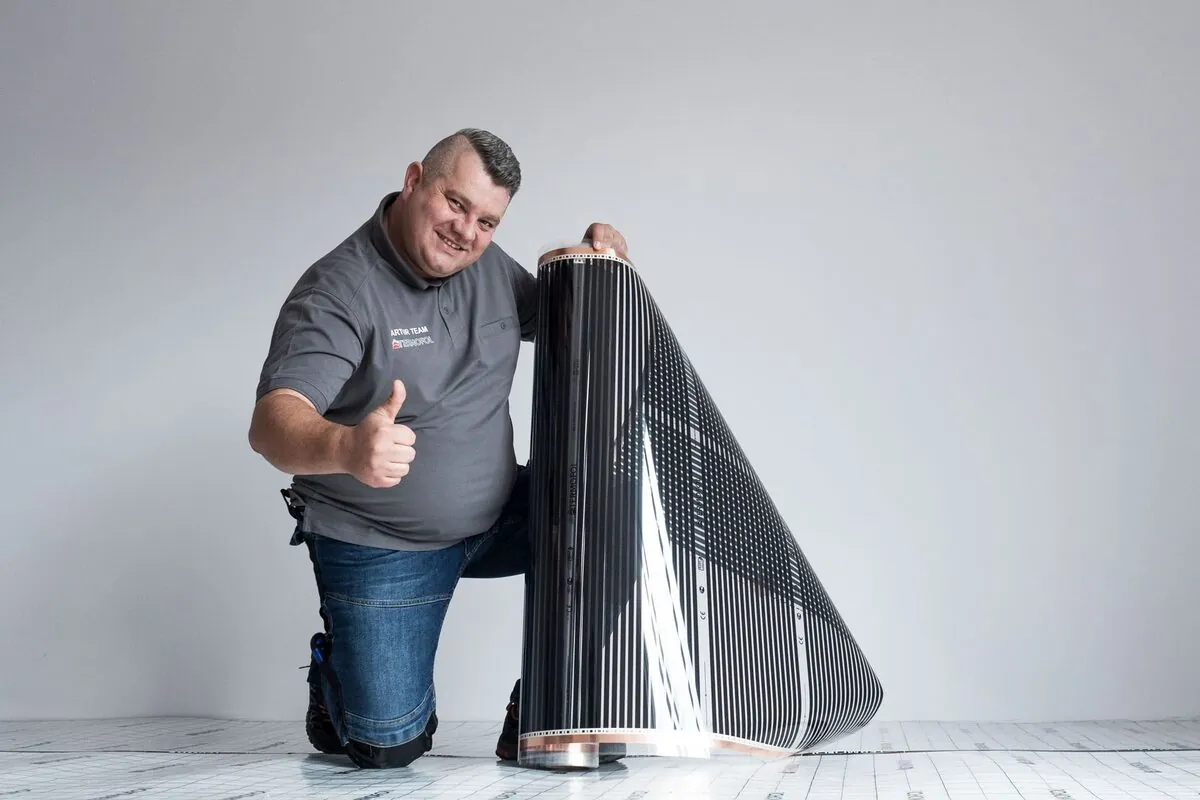
 General information