In many detached houses, the presence of a fireplace can be observed. Regardless of specific construction parameters, fireplaces are an aesthetic element that enhances the residents' experience. Fireplaces are used for general heating purposes, not just to make long winter evenings more pleasant. Current legal regulations do not allow a fireplace to be the only heating system in a building. It is an additional source of heat that should be properly integrated into the entire heating system in the house, so that the user can benefit from cost management for heating throughout the year.
Today, wood-burning fireplaces are often found, which, in addition to their decorative and aesthetic function, also serve as an additional source of heat for the home. It is hard to disagree with the statement that wood is currently the cheapest fuel on the market. In terms of heating power, open fireplaces are the least efficient, as they lose most of the heat escaping through the chimney flue. As a result, they generate about 20% of the thermal energy available for heating the building. Therefore, this solution cannot be considered efficient, even though using this form of heating is exceptionally pleasant for those sitting close to the fireplace.
Another solution is to build a fireplace with a cast iron insert, which increases the thermal efficiency in heating the room. This system allows for the utilization of 70% to 80% of the generated thermal energy, heating one room at a time. The fire is visible through a heat-resistant glass, thus providing safety by shielding people from the heat source. A similar function is performed by freestanding stoves, predominantly made of cast iron, which guarantee thermal efficiency of about 70% of the generated energy. They are easier to install than fireplaces, but their casing heats up to high temperatures, creating a risk of burns with careless contact.
The use of fireplaces for energy purposes involves connecting air ducts, through which the generated heat is distributed to various rooms in the house. The installation is designed to minimize the risk of excessively hot air entering the room or other spaces (usually achieved by installing a so-called by-pass system). This installation allows for quick and relatively even heat delivery to individual rooms within the house.
Optimal Use of Heat from the Heating Fireplace
Termofol has worked for many years on solutions that enable the effective use of heat generated by various types of fireplaces, all to meet the growing demands and needs of customers. Termofol systems require the use of thermostats to optimize heating management costs. Controlling heat production via a thermostat allows for automatic disconnection of heating when the room temperature reaches 20 degrees Celsius. In the case of fireplace operation, thermostats will quickly turn off the heating system when the temperature rises sharply in a short time. The technology performs the necessary calculations much better and more accurately than a human.
Thermostat Away from the Fireplace - Heating from the Fireplace
In traditional central heating systems, a regulator is placed in a representative location in the house, while the heating system developed by Termofol is decentralized. Regulators based on the latest technology operate in daily or weekly mode and can be adjusted separately for each heated room in the house. The system will precisely achieve the desired temperature set by the user, according to the preferences of the household members. The location of the thermostat itself is important, as it is recommended to install it at a distance of 1.2 m from the floor level, in an accessible place, and most importantly - away from sources of drafts (doors and windows), as well as from heat sources such as fireplaces or sunny spots. Under such conditions, temperature readings are the most accurate and undisturbed. This solution is more effective than placing the main thermostat near the central heating, usually in the living room. In the case of the latter, an increase in temperature in the room may negatively affect the accuracy of the temperature reading. After all, fireplaces are most often installed in the living room.
Termofol offers customers a wide range of systems and dedicated heating products. One of the most advanced is the Termofol WiFi thermostat model, which allows for remote control of the device's operation, and thus the temperature in all rooms of the house.
 +48 12 376 86 00
  Downloads
  biuro@termofol.pl


 Blog Termofol
 Published: April 6, 2020
  Reading time: 4 minutes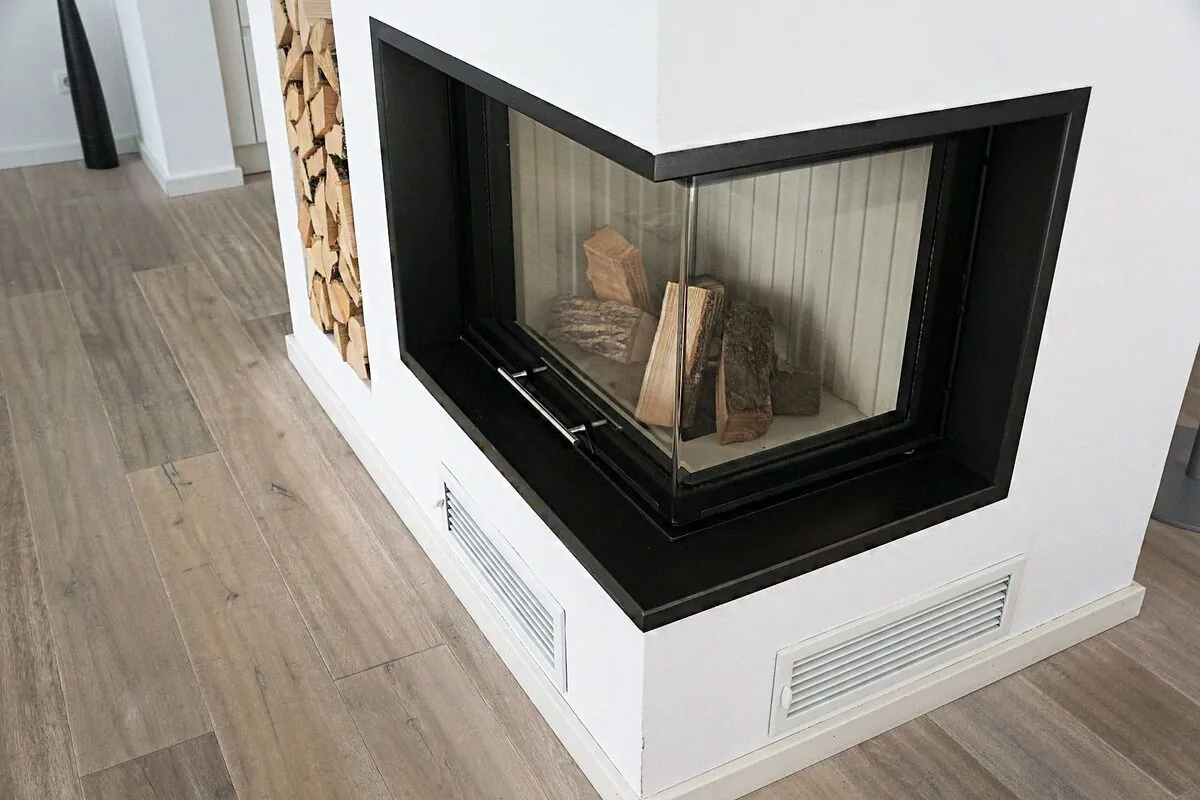
 Heating