Electrical devices need energy to operate. However, electricity can not only be purchased but also produced independently based on a photovoltaic installation. Therefore, it is worth taking a closer look at how such an installation functions.
Components of a Photovoltaic Installation
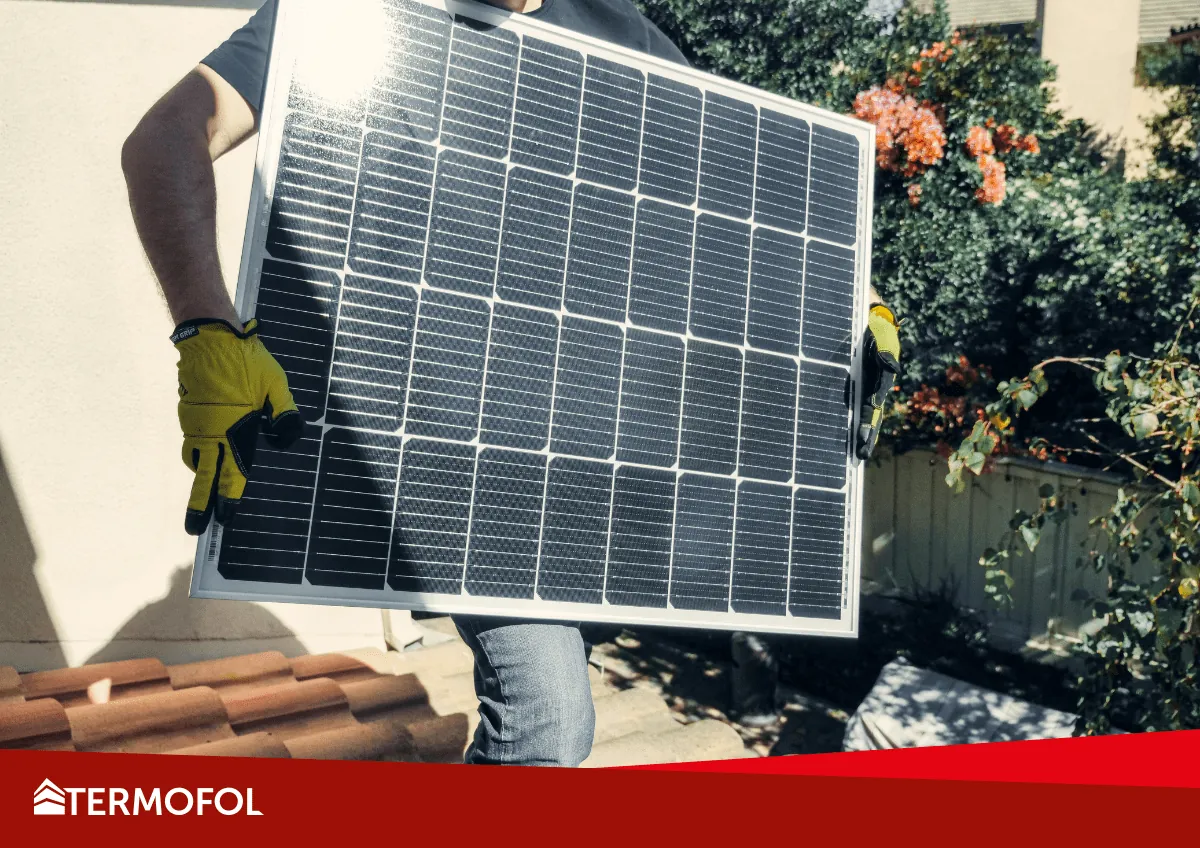
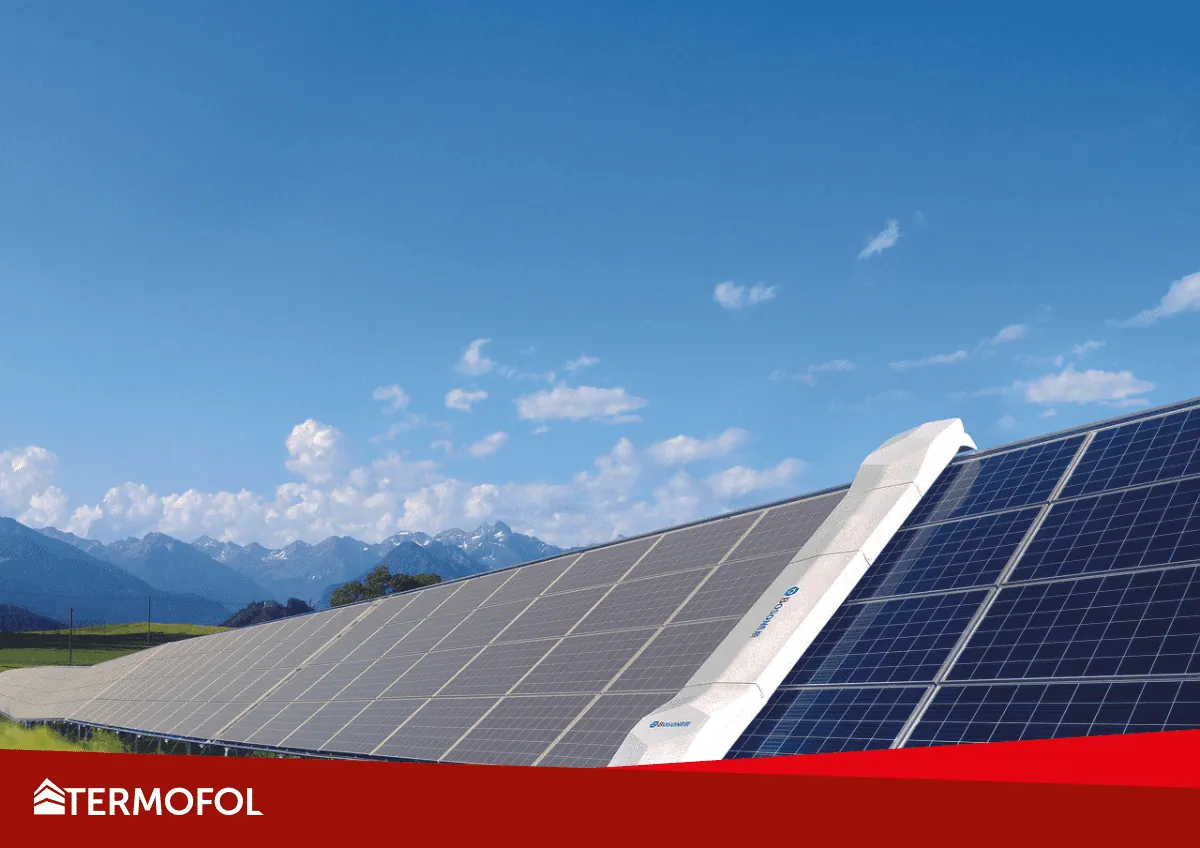
A photovoltaic installation consists of many components, among which the most important are photovoltaic panels, commonly referred to as solar panels, as well as an inverter, which is a device that converts direct current into alternating current available in our outlets. The panels can be mounted on the roof or in the ground. To ensure the safety of the installation, surge protection is also necessary, which protects the installation from surges as well as electrical discharges. Another essential element of the photovoltaic system is the mounting system, to which the panels can be physically attached.
What is Balancing?
After installing the photovoltaic system, the user must replace the meter with a bidirectional one. It is the responsibility of the energy company to provide a free replacement of such a meter within a maximum of 30 days from the date of reporting the micro-installation. The purpose of the new meter is to count the energy sent to the grid as well as the energy drawn from the public network. Thanks to the calculations of both these values, a person known as a prosumer can settle accounts with the energy company and assess what surplus energy they managed to produce thanks to the photovoltaic installation.
According to the provisions of the Renewable Energy Sources Act of 2015, the settlement of the prosumer with the energy company is cashless and depends on the size of the photovoltaic installation itself. By consuming all the energy for current needs, the user gains the most, as they have the right to use exactly 100% of the produced energy. Conversely, by introducing it into the grid for "storage," the prosumer receives the following discounts:
- 0.8 kWh for each 1 kWh of energy produced (for installations up to 10 kW),
- 0.7 kWh for each 1 kWh of energy produced (for installations up to 50 kW).
Balancing allows the surpluses of energy produced in the summer months to also be used for heating the apartment in the winter-spring months. The user can utilize the surplus energy within 365 days from the day this surplus is fed into the energy grid.
Photovoltaic Installation and Changes to the Existing Electrical Installation
It is necessary to connect the photovoltaic installation to the existing electrical installation already installed in the building. If the condition of the latter is good, no significant changes or modifications are required that would expose the user to increasing costs. Conversely, if a person is still in the process of building a house, it is worth considering certain projects related to photovoltaics at that time. A precise choice of the installation location for the inverter, meter, or AC/DC protections, as well as placing the inverter close to the main distribution board of the building, are the basics of a good project for the effective application of the later photovoltaic installation in practice. A good solution is to contact specialists from our company. TERMOFOL offers professional, comprehensive implementation of photovoltaic systems.
How a Photovoltaic Installation Works
A photovoltaic installation works because silicon cells convert incoming sunlight into electrical energy, which is then fed into the grid. Access to sunlight is a necessary condition for the proper functioning of the installation. The way it works is therefore simple and understandable for most users.
Costs of Implementing a Photovoltaic Installation
There is no single ready answer regarding the total cost of installation. The cost depends on many factors. The most important is the size of the system, which is the expected power of the installation. It is adjusted to the projected annual electricity demand of the house. Important elements affecting the price of PV panel installation include the type of components, the installation location, the current roofing method, or the financing method chosen by the individual user.
Calculating the Power of the Installation for My Home
The user can relatively easily assess what power the photovoltaic installation should have for their home. Self-calculations can be compared with the help of an energy advisor, who will perform a detailed estimate of the annual electricity demand. Contact us – remember that the energy audit is always free.
Solar Resource
The potential of solar energy is unlimited. It takes just 18 sunny days a year to equal the energy potential of all earthly resources of oil, gas, and coal. The average daily solar resource for the entire surface of the Earth is 4.2 kWh of energy per 1 square meter, which is roughly equivalent to the energy equivalent of about one barrel of oil per year (159 liters). The most energy is received in desert areas, where cloud cover is minimal, and the air is dry – over 6 kWh per day per 1 square meter.
 +48 12 376 86 00
  Downloads
  biuro@termofol.pl


 Blog Termofol
 Published: February 12, 2020
  Reading time: 4 minutes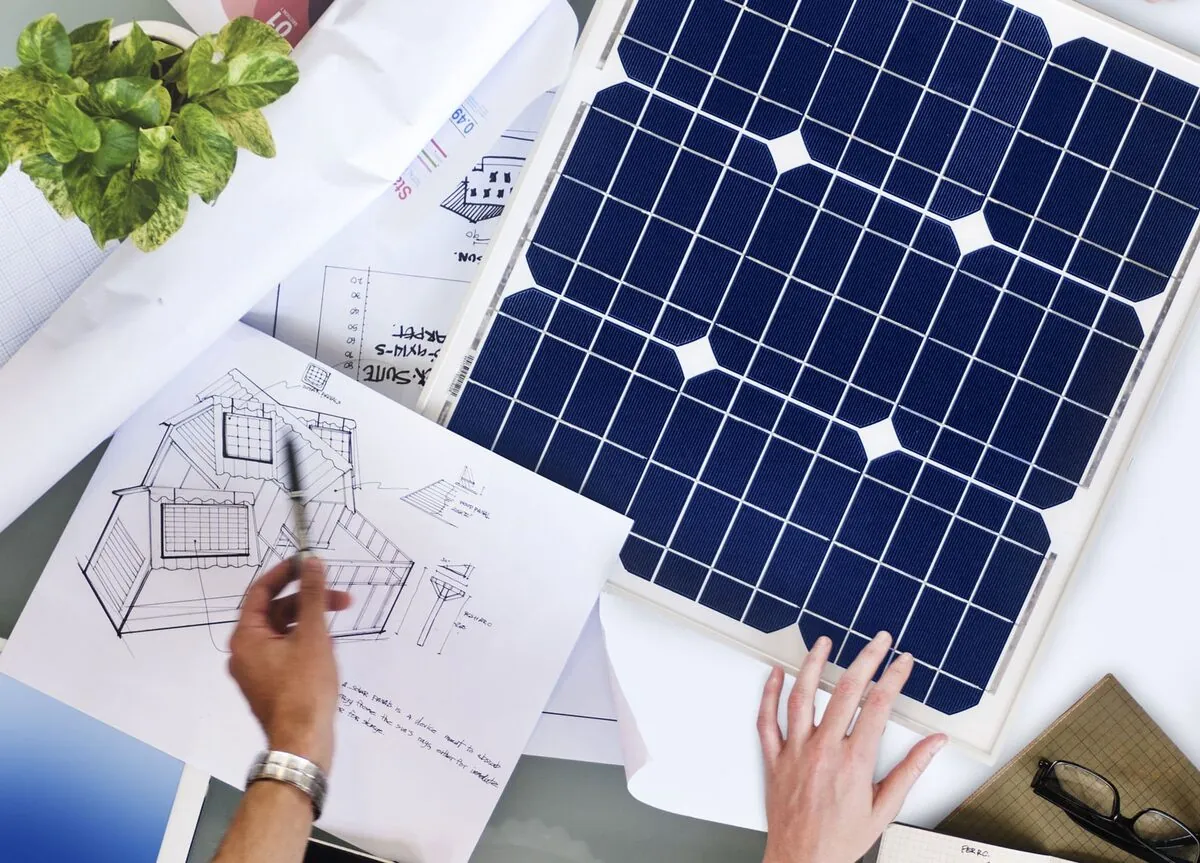
 Photovoltaics