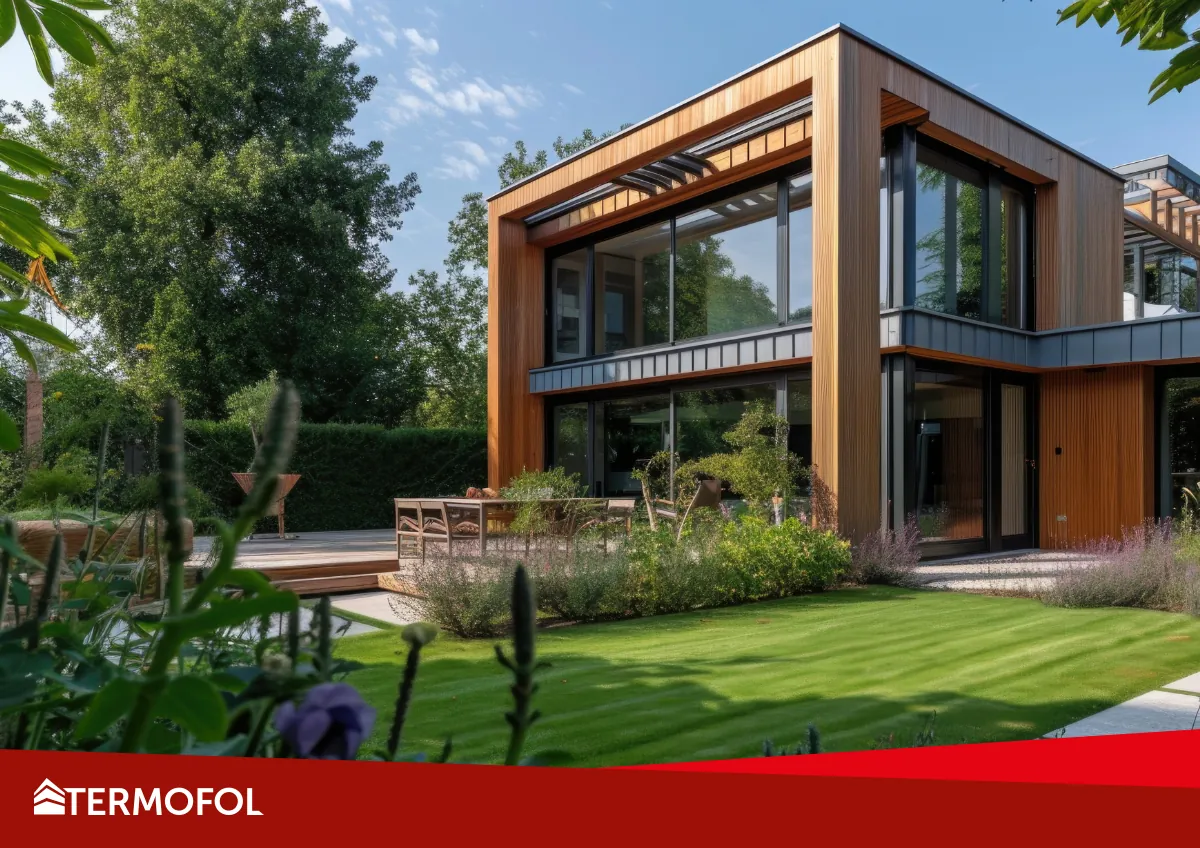
In Poland, brick houses still dominate, but wooden constructions are gaining increasing interest among investors. They have many advantages, including typically lower costs and a quick construction time. But how does heating work? What to choose: a fireplace, a stove, or perhaps underfloor heating in a wooden house? In this article, we explain what heating to choose for a log or frame house.
Thermal Capacity of Walls – What Is It?
Heating a frame or brick house looks different primarily due to the so-called thermal capacity of the walls. In simple terms, walls in a brick building can store energy. This means that it can take several days for the walls to heat up properly, while after the heating source is turned off, they can maintain the temperature inside the building for several days. One advantage of this solution is the ability to turn off the heating for a short time, as the temperature in the building will not change significantly. The main disadvantage, however, is the long, even multi-day heating of the building, which is problematic especially when returning home after a long absence.
Heating a frame or log house is quite different. The thermal capacity of the walls in wooden houses is lower, which means that after turning off the heating, the temperature inside drops faster than in brick houses. At the same time, however, the interiors heat up very quickly. Therefore, when leaving the house, we can lower the temperature by several degrees, and upon returning, we can raise it again, as we will heat the interior in a short time. Importantly, it is mainly the furniture and air that heat up, not the walls, which contributes to achieving thermal comfort so quickly.
These basic differences mean that different heat sources are recommended for wooden and brick houses. How to heat a wooden house? There are several proven methods.
What to Use to Heat a Wooden House? Choose a Fireplace
Wooden houses are characterized by energy efficiency and ease of heating. So if you are wondering what to use to heat a log, frame, or other wooden structure, consider several technologies.
One of them is a fireplace, which serves both a practical and aesthetic function. Even a small fireplace adds a unique atmosphere to any interior and fits perfectly in wooden houses. This solution works well as a supplement to traditional heating, especially during transitional periods, and as a primary heat source in small houses. Since the air in wooden houses heats up quickly, the fireplace will easily allow you to achieve the right thermal comfort in a short time. However, it should be noted that storing firewood near the fireplace is necessary, which unfortunately leads to dust and other residues in the room. So how else can you heat a wooden house?
Underfloor Heating in a Wooden House
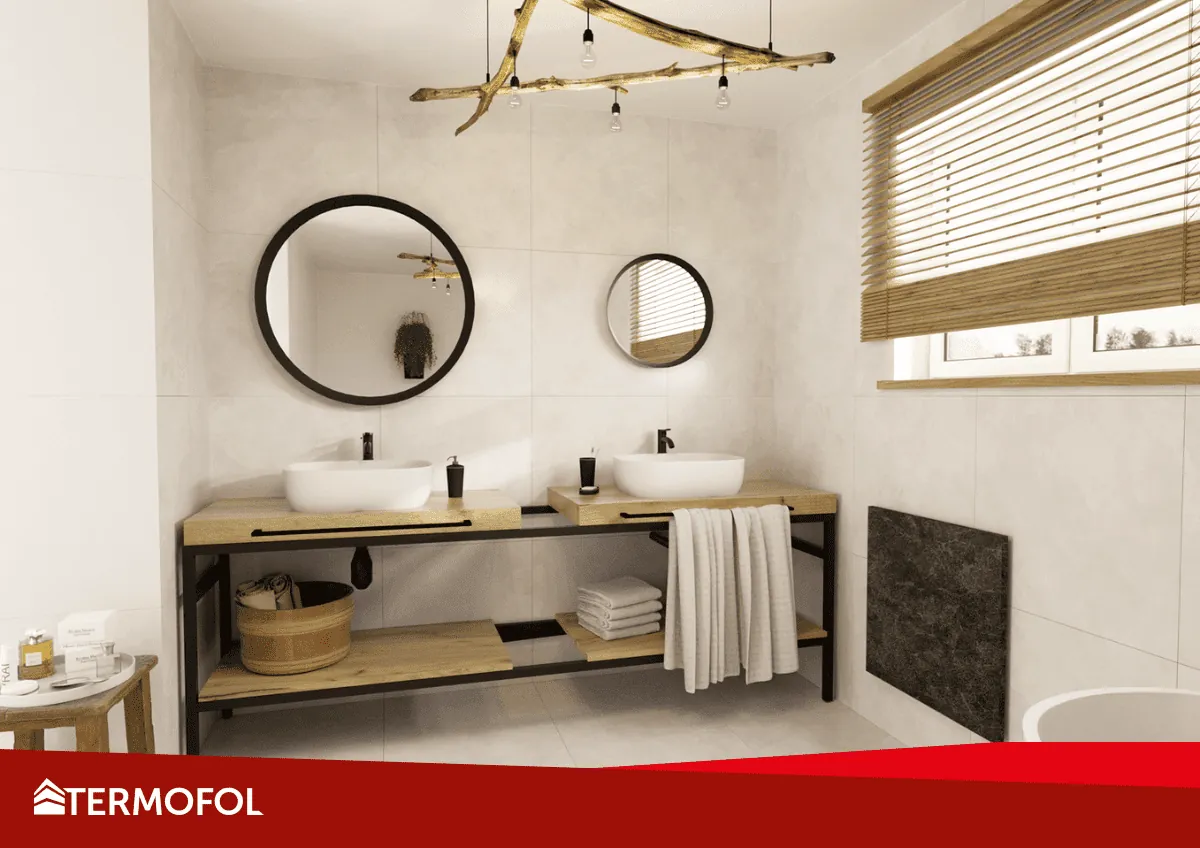
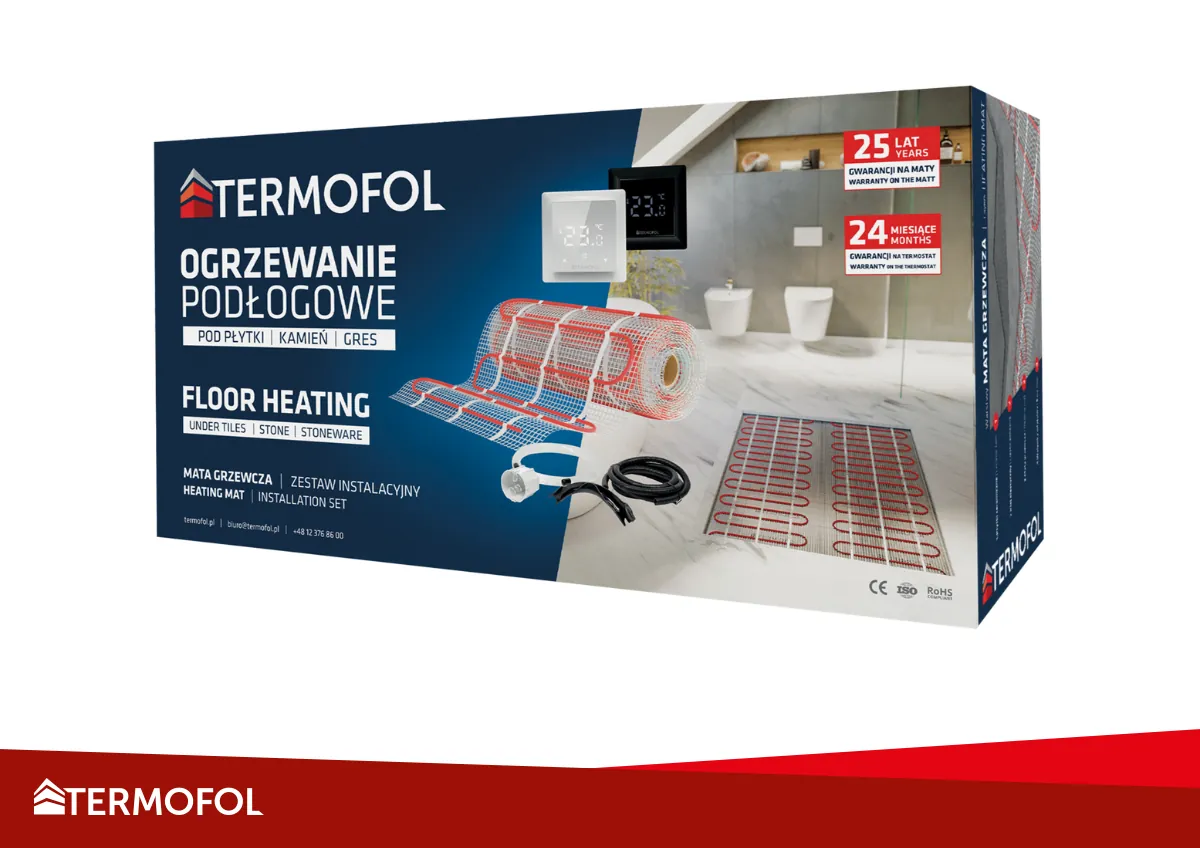
Another proven and recommended method is to heat a wooden house with electricity using so-called underfloor heating. Electric underfloor heating is a solution that allows you to fully utilize the advantages of a wooden house. It provides excellent thermal comfort and does not limit the possibilities of interior design – the heating is invisible. Heating a wooden house with electricity is an easy way to quickly and effectively heat large spaces. Underfloor heating can be safely installed on any floor of the building. It works well in the living room, bedroom, children's room, as well as in the kitchen and bathroom. It uses electrical energy, so there is no need to use or store fuel. Therefore, there is no need to build a large boiler room in a house with underfloor heating.
However, to ensure that the underfloor heating is efficient and functional, it is worth entrusting its installation to specialists. Improper placement of the film and mats or choosing the wrong flooring material can lead to significant heat loss, making the heating ineffective. This, in turn, will result in higher bills. Therefore, working with recommended professionals, such as specialists from Termofol, is essential.
The possibilities for controlling electric heating are extremely extensive, ranging from manual thermostats controlled from a dial to electronic devices controlled via an app.
Remote control of the heating system allows you to turn on the heating before arriving at the holiday home and optimize operating costs due to the possibility of using the ECO function.
Pellet Boiler or Heat Pump?
Another way to heat a log house is to install an oil boiler, a pellet stove, or gas heating. An alternative could also be a heat pump, although choosing this solution requires considering high initial costs, reaching even several tens of thousands of zlotys, depending on the type and model of the pump. These systems do not require much attention – in modern models, usually, one visit to the boiler room (e.g., once a week to add fuel) is sufficient to maintain constant thermal comfort day and night. However, when deciding to purchase a stove, one must remember the need to buy and store fuel in an appropriate place. Therefore, it is necessary to allocate a woodshed, storage room, boiler room, or another room inside or outside the building for storing pellets or eco-pea coal.
In summary, there are many ideas on how to heat a wooden house. The above article will certainly help you decide what heating to choose for a log house, in frame technology, or another wooden construction.
 +48 12 376 86 00
  Downloads
  biuro@termofol.pl


 Blog Termofol
 Published: September 29, 2021
  Reading time: 5 minutes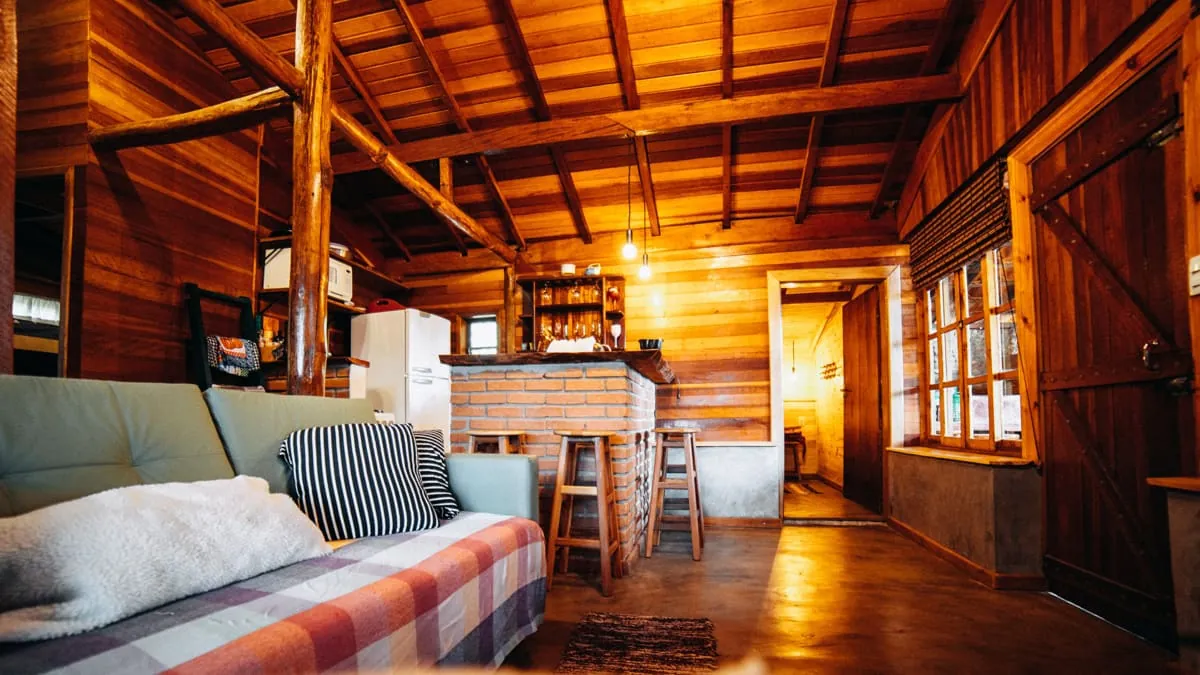
 General information