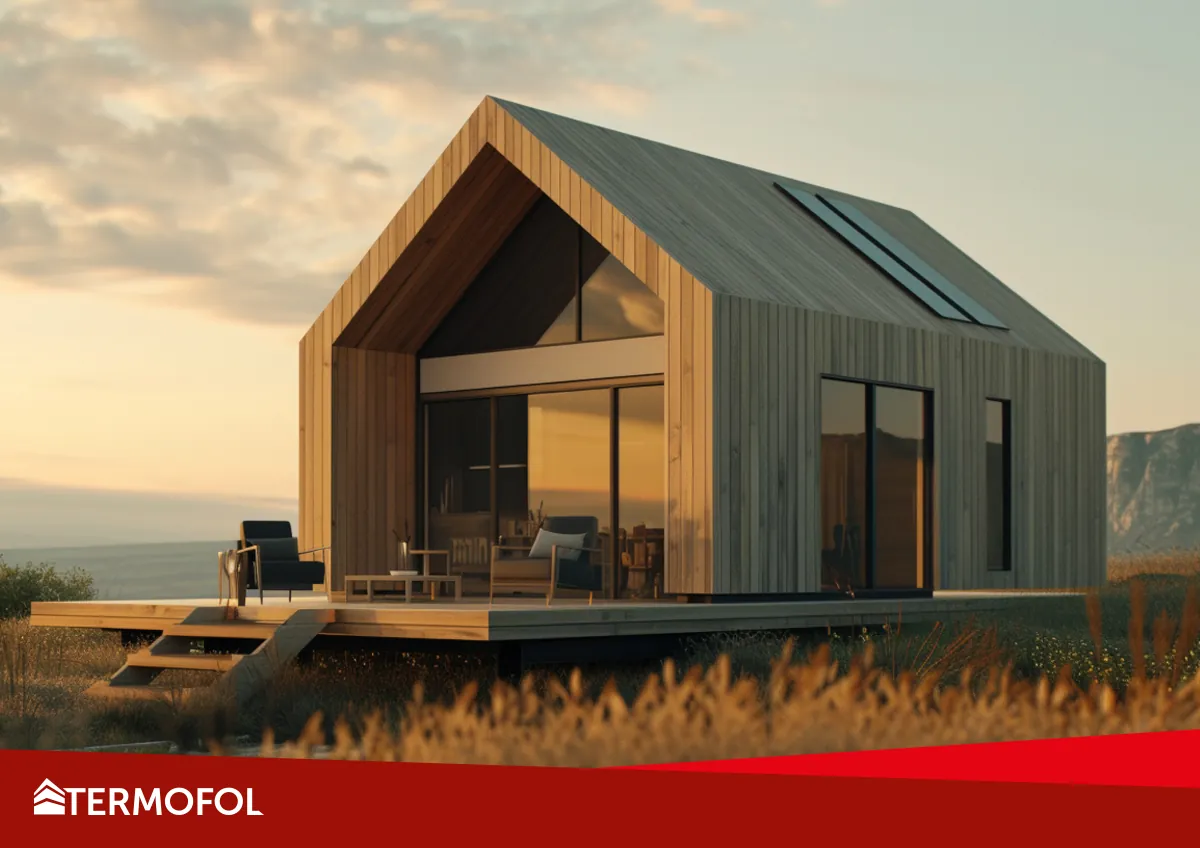
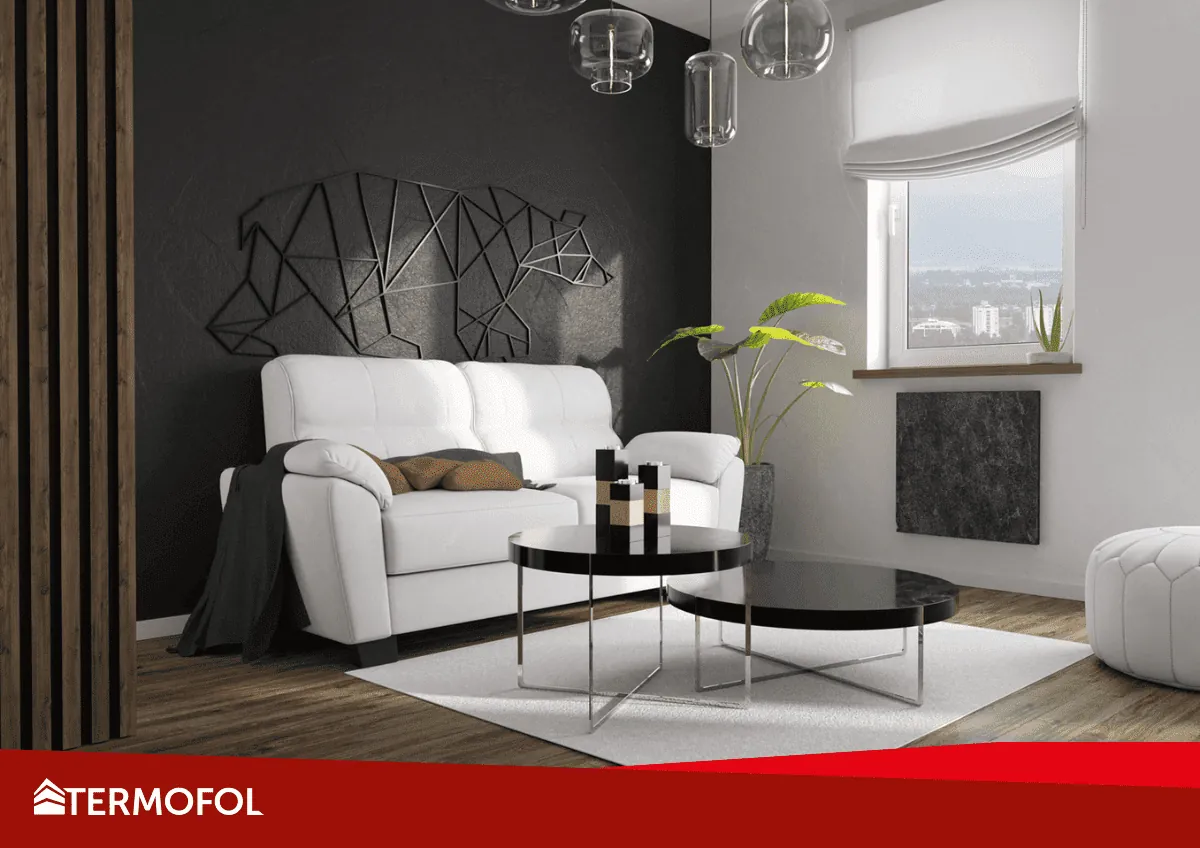
Infrared heating, increasingly chosen for modern buildings, offers not only thermal comfort but also aesthetics. How to install a system that will be reliable and efficient in your home? The key is a well-prepared underfloor heating design. We invite you to delve into the topic and discover how important a professional approach is to designing your home’s warmth.
Underfloor Heating Design Is Essential!
Underfloor heating design is not just a collection of documents. It is the foundation upon which the entire heating system of your home is built. This detailed technical documentation outlines how the heating system is to be constructed and integrated with the building. During the design of underfloor heating, specialists create technical drawings, material lists, and perform precise calculations of heat demand to ensure that the system will be energy-efficient, functional, and above all, safe for its users.
In the construction industry, underfloor heating design is an essential element of planning any new building or its renovation. Thanks to it, underfloor heating is fully tailored to the specifics of the property. This is also crucial for optimizing operating costs and increasing the comfort of residents. The design of the underfloor heating installation includes not only technical aspects but also aesthetic ones – the installation hidden under the floor does not affect the appearance of the interiors, allowing for greater freedom in room arrangement.
A properly executed design guarantees that the underfloor heating installation will serve you for many years, providing optimal temperature distribution throughout the house. It is thanks to it that the advantages of infrared heating can be effectively utilized, offering pleasant warmth as well as a healthy and allergy-friendly climate in the rooms.
Designing Underfloor Heating – What Else Should You Know?
Underfloor heating design is therefore a key tool for engineers and installers, enabling precise placement of heating elements, such as heating mats or films in infrared systems. What else should you remember when deciding on underfloor heating? The design you ultimately choose will be implemented in a shorter or longer time, and the system will remain with you for years to come. Therefore, it is essential to carefully consider the available options, as later changes can be cumbersome. With a well-developed design, you can be sure that heat will be evenly distributed across the entire floor area, which is essential for user comfort and energy efficiency.
The design of the underfloor heating installation is also a process that takes into account the individual needs of the building and its residents. Designers must consider various factors, such as the degree of insulation of the entire house and its rooms, as well as their intended use and even the temperature preferences of the users. Designing underfloor heating step by step allows for the creation of a system that will be flexible, giving you the ability to adjust the temperature in different zones of the building.
Introducing the underfloor heating design into the construction process avoids many problems associated with improper installation, such as uneven heat distribution, overheating of individual sections, or inefficient energy consumption. By carefully planning and applying professional design methods, the heating system will not only be an effective but also an economical solution for any property.
Water Underfloor Heating or Electric Heating?
Underfloor heating can be divided into two main types depending on the heat source and the method of transferring heat to the environment. Thus, there is water (hydraulic) heating and electric heating. Each of these systems has its specific applications, advantages, and disadvantages.
Water Heating
In a water heating system, hot water (or another liquid, the so-called heat transfer medium) flows through a system of pipes laid under the floor. These pipes can be installed in concrete, screed, or attached to floor insulation. Water heating is connected to a central heat source, such as a gas boiler, heat pump, or even a solar system.
- Advantages
- Higher energy efficiency with proper insulation and heat source.
- Ability to connect to various heat sources.
- Suitable for large areas due to lower operating costs.
- Disadvantages
- Higher initial installation costs.
- More difficult to install in existing buildings.
- Longer response time of the system to temperature setting changes.
Electric Heating
Electric heating works by the flow of electricity through heating elements such as cables, mats, or infrared films placed under the floor. This solution is convenient because it does not require complicated installations, as is the case with water underfloor heating. The design of the underfloor heating based on infrared is definitely simpler to implement, and its execution takes 1 – 2 working days.
- Advantages
- Easier and cheaper installation than with water systems, especially in existing buildings.
- Faster response to temperature setting changes.
- Ability to independently control the temperature in different rooms.
- Possibility of self-installation.
- Disadvantages
- Operating costs depend on electricity prices.
How to Choose Underfloor Heating? A Design from Termofol Tailored to Your Needs!
Installing a floor system does not end with the selection and installation of equipment. It is a thoughtful action plan that takes into account the specifics of the building and the needs of its residents. The design of the underfloor heating installation guarantees that the invested funds will yield the expected results, and the home will be warm even during the coldest frosts. It is also an opportunity to reduce operating costs by optimizing energy consumption.
We encourage you to take advantage of the services of professionals from Termofol, who will help you prepare the best underfloor heating design for your home. Let thermal comfort and energy savings become a reality with a well-designed infrared heating system.
We also encourage you to check out other articles on our blog, which will provide more information about modern heating solutions and help you make further informed decisions.
 +48 12 376 86 00
  Downloads
  biuro@termofol.pl


 Blog Termofol
 Published: March 17, 2024
  Reading time: 5 minutes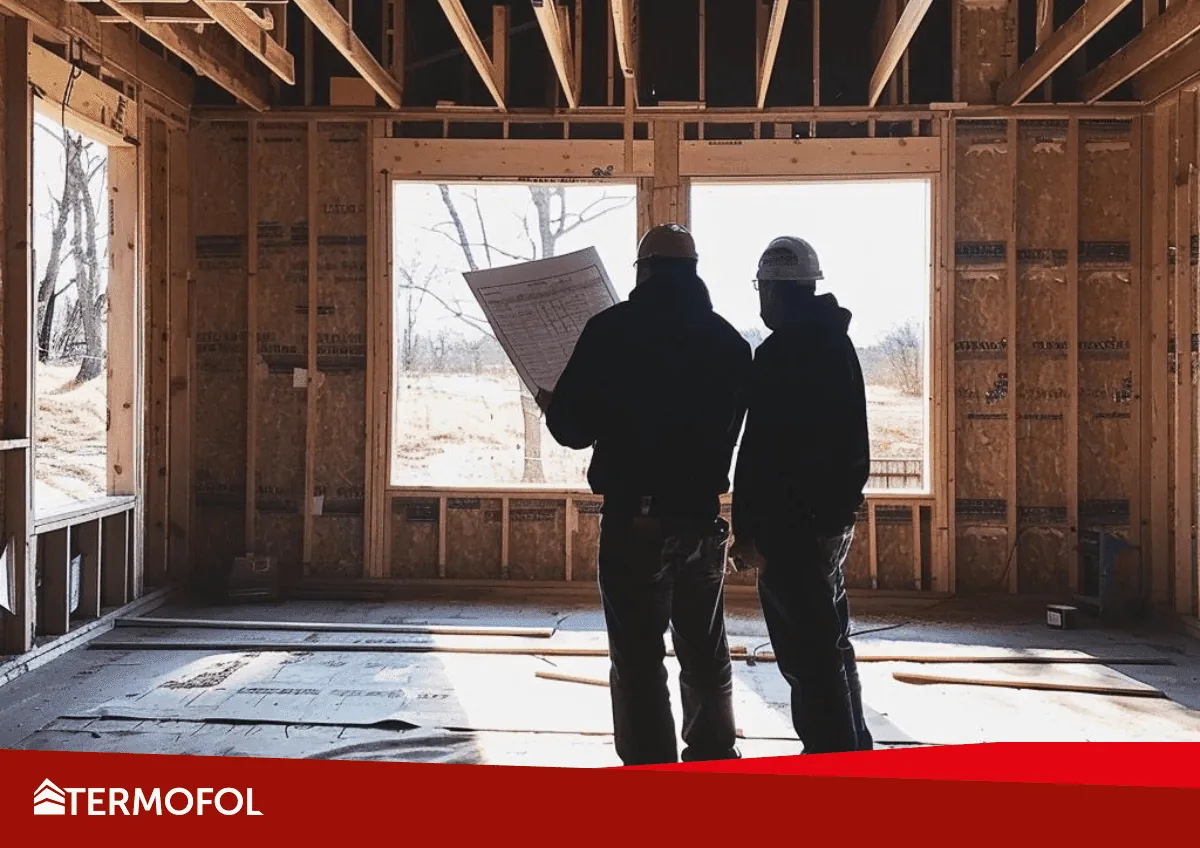
 Heating