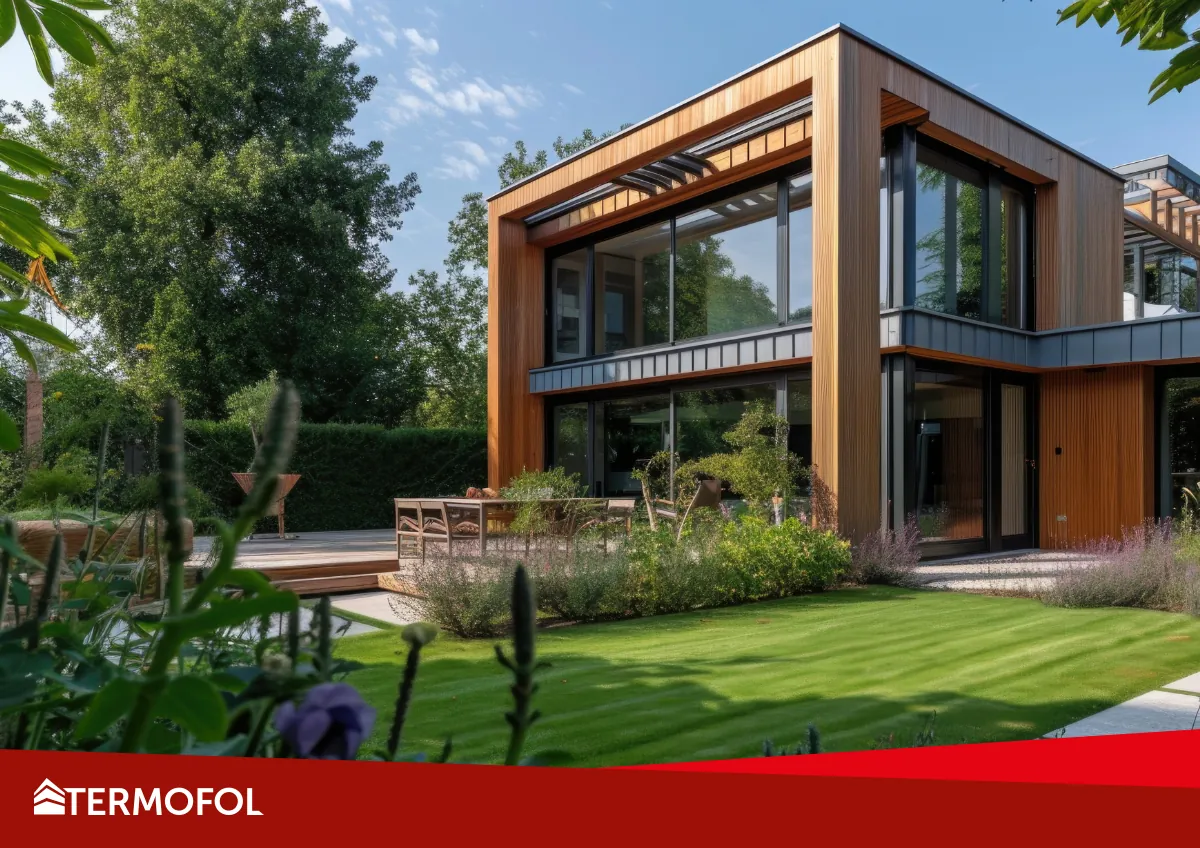
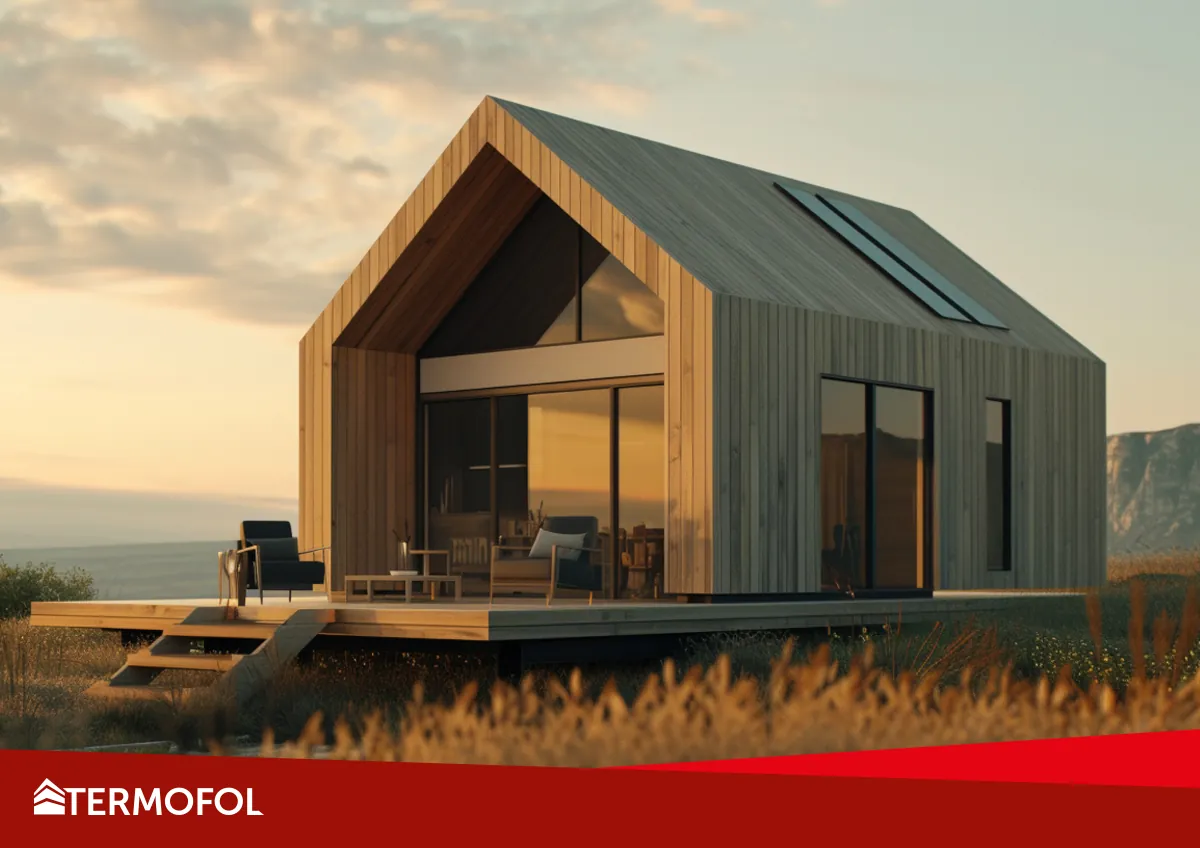
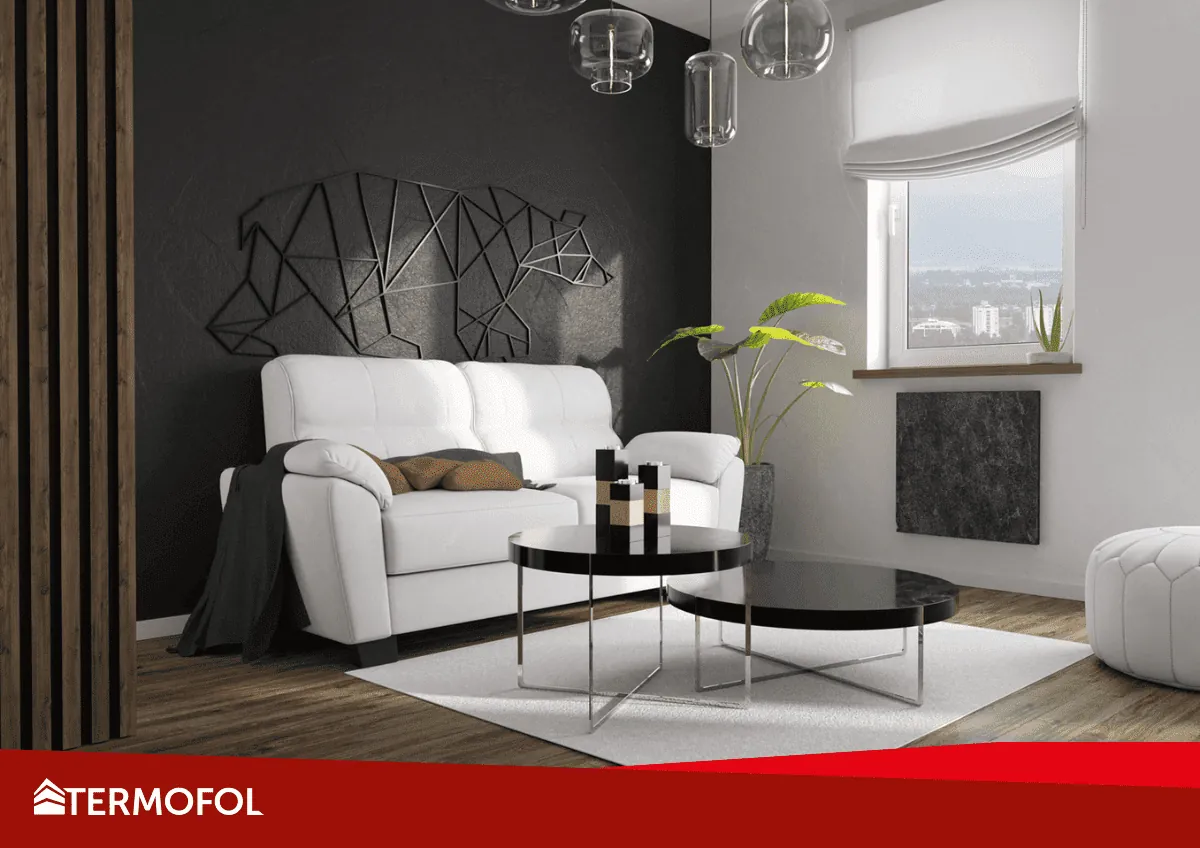
Underfloor heating is gaining popularity. Thanks to its efficiency and aesthetics, this solution is revolutionizing the way we think about heating homes and offices. We invite you to explore its secrets!
Underfloor Heating as the New Standard in Homes
In today's world, where increasing attention is paid to energy efficiency and reducing carbon footprints, underfloor heating is gaining significance as a preferred solution in both new construction projects and during the renovation of existing buildings. It is characterized not only by high efficiency and energy savings but also by increased user comfort and subtle integration with interior architecture.
Whether we are considering underfloor heating, wall heating, or ceiling heating, each of these solutions provides an even distribution of heat, eliminating traditional problems associated with point sources of heating, such as radiators.
Additionally, it is worth noting infrared surface heating. An example of such a system is heating films, which open up new possibilities for those looking for even more efficient and healthier heating options. The combination of these features makes surface heaters, as these systems are also called, regardless of the chosen technology, an integral part of a modern, energy-efficient home. Surface heating is therefore a thoughtful investment in the future, addressing contemporary challenges related to energy efficiency and climate change.
Surface Heater and Its Types
One of the main aspects that distinguishes surface heating is its diversity. Above all, underfloor heating is a popular choice, especially in modern residential and office buildings.
On the other hand, wall heating is becoming increasingly popular for heating rooms where underfloor heating cannot be installed. It can be used as an additional heat source or the main heating system, depending on the user's needs and preferences.
Finally, ceiling heating is an alternative to traditional heating methods that allows for even heat distribution in rooms with unusual layouts. Regardless of the chosen type, underfloor heating meets the expectations of modern investors and users, providing them with convenience, space, and discretion. This type of heating is completely invisible (it is hidden under the floor), so it does not take up space — unlike radiators.
Installation in the wall or ceiling is only possible with infrared heating films.
Types of Underfloor Heating
Underfloor heating can be divided into different types, mainly based on the method of generating heat and the medium that transmits it. Here are the most common types of underfloor heating:
Water Heating (Hydraulic)
- Standard Water Heating: involves the flow of hot water through a system of pipes laid under the floor surface. The water is heated by a central heat source, such as a gas boiler, heat pump, or solar system.
- Low-Temperature Heating: a specific type of water heating that operates at lower water temperatures, ideal for applications with heat pumps.
It should be clearly noted that water heating is installed exclusively in the floor.
Electric Heating
- Heating Mats: flexible mats with built-in heating cables that emit infrared radiation
- Heating Cables: flexible heating cables that can be laid at specific intervals, providing configuration flexibility depending on room needs.
- Heating Films: ultra-thin heating films with a carbon matrix that generate infrared waves
Each of these systems has its advantages and applications, depending on specific project requirements, user preferences, budget, and the technical capabilities of the building. Water heating is often chosen for its efficiency and low operating costs, especially in large buildings. On the other hand, electric heating is valued for its ease of installation and minimal interference with the building's structure, making it an attractive choice for modernizing existing buildings and new homes.
How Much Will You Pay for Underfloor Heating? Cost Analysis
Now let's analyze the example cost of installing Termofol heating film in a house with a usable area of 130 square meters. First of all, it is worth considering the price of the product itself and the installation service. The price of infrared heating film in this case is approximately 9500 PLN.
Operating costs depend on the level of thermal insulation of the building. The better insulated it is, the cheaper it is to use infrared heating film. The annual operating cost for a 130 m2 house, which is insulated to the WT 2021 standard, is 1518 PLN. We assume that the average electricity price (as of March 2024) is 0.73 PLN.
Installation of Water Underfloor Heating
The cost of installing water underfloor heating in a house with an area of 130 square meters will differ from the installation of heating film. First of all, one must consider the cost of purchasing materials such as pipes, collectors, heat pump, thermostat, and other necessary accessories. Underfloor heating also requires work related to laying pipes in the floor, which can be more complicated and time-consuming compared to the installation of heating film.
The price of materials and the underfloor heating itself will depend on the chosen technology, material quality, and manufacturer. On average, one can expect material costs ranging from 150 to 300 PLN per square meter, which for a house with an area of 130 square meters gives a total cost ranging from 19,500 to 39,000 PLN.
Next, one must consider the cost of installation. Installing water underfloor heating is labor-intensive and requires specialized knowledge and experience. The cost of the installation service will depend on the location, building specifics, and service provider rates. On average, the installation cost can range from 100 to 200 PLN per square meter. For a house with an area of 130 square meters, the total installation cost can range from 13,000 to 26,000 PLN.
Summing up the costs of materials and installation, the total cost of installing water underfloor heating for a house with an area of 130 square meters can range from 32,500 to 65,000 PLN. However, this is an investment that provides high thermal comfort and can lead to savings in the long run due to the energy efficiency of the system.
Water Surface Heater or Heating Film?–
In summary, both Termofol heating film and water heating are effective solutions for providing thermal comfort in a 130 square meter home. The choice between them will depend on user preferences, budget, and building specifics.
It is worth noting that what connects both solutions is their fundamental premise. What is underfloor heating, in essence? By installing pipes or infrared heating films under the floor, we turn it into a large radiator. A radiator with a floor area of, for example, 20 m2 has such a large surface area that it can consume less energy to heat the room. This is particularly evident in the case of water underfloor heating. The heating medium that needs to be supplied can have a significantly lower temperature than in the case of standard radiators. Why? Because there is simply more of it. The same applies to infrared heating films.
If you have any doubts or questions regarding the choice of the appropriate underfloor heating system, you can always consult experts in the field who will provide professional advice and support. Now that you know the basics and the differences between these two solutions, you can make an informed decision that fits your needs and ensures maximum thermal comfort in your home.
 +48 12 376 86 00
  Downloads
  biuro@termofol.pl


 Blog Termofol
 Published: March 22, 2024
  Reading time: 6 minutes
 Heating