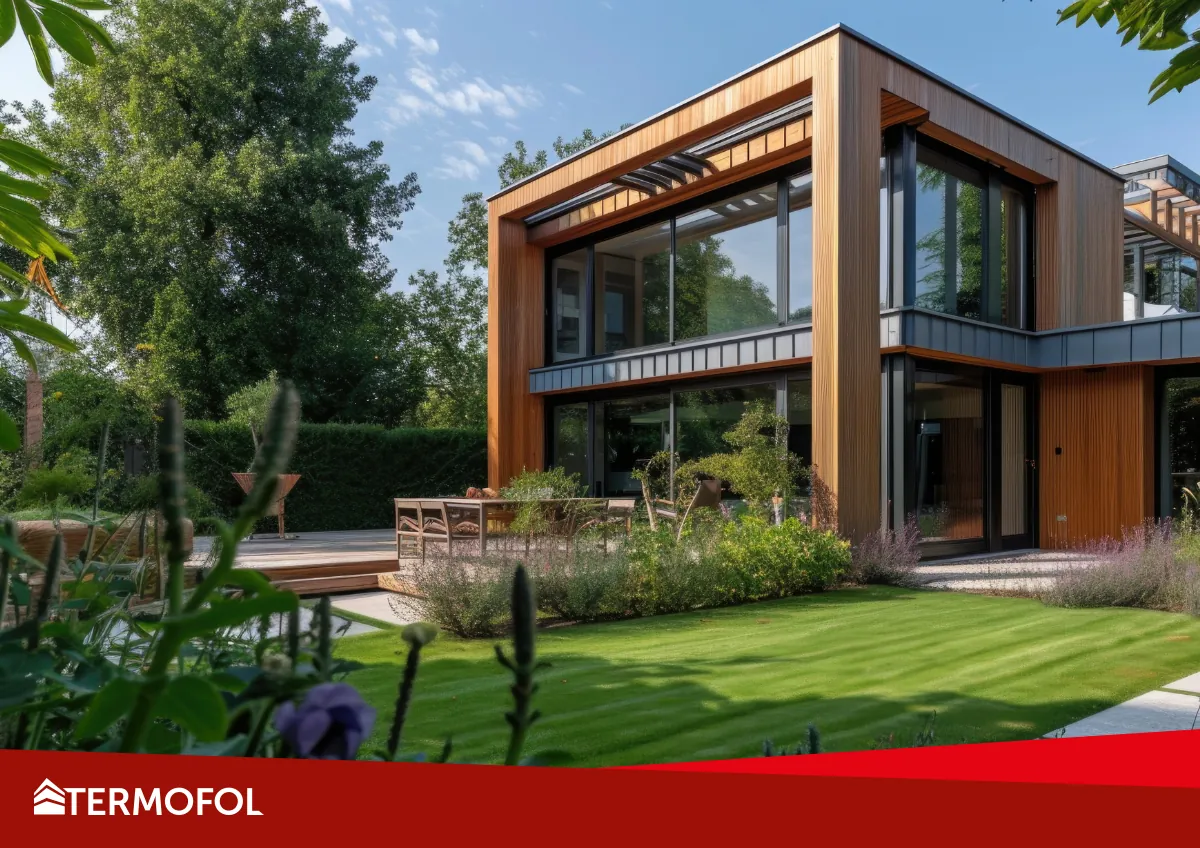
What are thermal bridges? How to deal with them? Our advice. Are you wondering why it feels colder in certain areas of your house during winter? Are you analyzing your heating expenses and still finding that you should be paying less? Perhaps the construction of your house has thermal bridges, and they are the cause of your discomfort? In this article, we answer the question of what thermal bridges are and advise how to recognize and deal with them.
Sometimes in every house – especially older ones – certain areas are cooler. In such cases, we either accept this state of affairs or heat those places, which strains the budget allocated for heating. One of the reasons for these cold spots may be thermal bridges. It is worth knowing what they are, especially if you are buying a house.
What are thermal bridges?
Thermal bridges are one of the more significant issues related to building heating. They are places where insulation is weakened or even absent for various reasons. Their presence leads to uncontrolled thermal conductivity between the interior and the environment. Simply put, it is through thermal bridges that warm air escapes from the house to the outside. As a result, they significantly reduce the energy efficiency of the building and negatively affect the thermal comfort of the residents.
Thermal bridges arise for various reasons. One of the most common is improper execution or insulation of structural elements such as walls, ceilings, or roofs. In places where insulation is interrupted or weakened, heat can freely escape outside the house. Another source of thermal bridges can be construction joints, such as the connections between walls and floors or ceilings. The cause of thermal bridges can also be the connection of building materials with significantly different thermal conductivity without appropriate thermal protection, such as concrete and steel. Another factor is improper placement of thermal insulation within the structure, leading to gaps in the insulation layer. Thermal bridges can also occur around points where different elements of the building meet, such as windows, doors, and roofs.
Effects of thermal bridges
The effects of thermal bridges are significant. Firstly, they lead to increased costs associated with heating or cooling the building, as thermal energy is lost. This, in turn, affects the rise in energy bills and environmental pollution. Secondly, thermal bridges can lead to moisture problems, increasing the risk of mold and fungi in the building. Additionally, the thermal comfort of residents is reduced, as there may be a feeling of cold around thermal bridges.
Identifying thermal bridges can be challenging, as they are often not visible to the naked eye. However, there are tools and techniques that allow for their detection. One method is the use of a thermal imaging camera. In places where thermal bridges occur, temperature differences can be observed. Another way is to conduct an energy audit, during which specialists examine the building for potential thermal bridges. It is worth noting that funding for energy audits can be obtained from the government program "My Electricity." Additionally, local authorities have their own financial support for this purpose.
Obtaining financing is just the beginning of the work, as you still need to choose the right heating system. Homeowners in Poland are increasingly opting for infrared electric heating. Why? You will find out in our article “Opinions on underfloor heating”.
How to fight them?
You can combat thermal bridges through proper design and construction of buildings. It is essential to use appropriate insulating materials and construction technologies. Good thermal insulation, tight joints, and proper construction are key elements in the fight against thermal bridges. There are also methods to improve the insulation of existing buildings, such as additional insulation. The aforementioned "My Electricity" program also includes funding for the thermal modernization of homes. An additional incentive is the thermal modernization relief, which allows you to deduct the costs of investments in home insulation from your taxes.
Thermal bridges pose a significant problem for both the energy efficiency of buildings and the comfort of residents. Therefore, it is worth investing in proper thermal insulation and ensuring regular inspections and maintenance of buildings to minimize the risk of thermal bridge formation and their effects.
 +48 12 376 86 00
  Downloads
  biuro@termofol.pl


 Blog Termofol
 Published: September 20, 2023
  Reading time: 4 minutes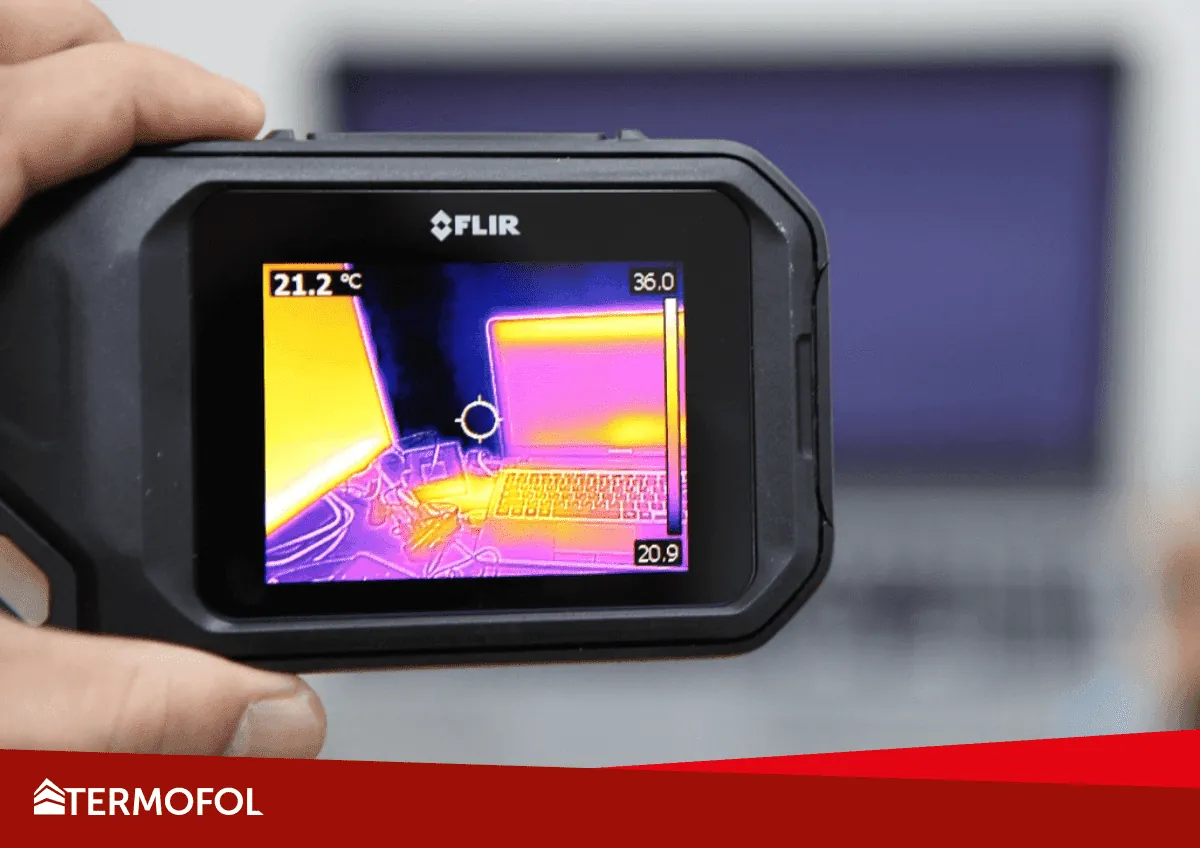
 Heating