In this article, we will focus on answering questions that particularly concern heater users. How much electricity does an electric heater consume? Is an air heater energy-efficient? Which heater will be suitable for your needs? We invite you to read on!
How does an electric heater work?
Before we delve into the topic of electricity consumption and energy efficiency, it is worth understanding how an electric heater works. A heater is nothing more than a device that converts electrical energy into heat. Depending on its type, this process can occur in various ways. So what types of heaters do we distinguish?
Convection heater
This popular device utilizes the phenomenon of convection, where warm air rising replaces cold air below. This allows for even heating of rooms. These are the simplest and most common devices available on the market today.
Radiant heater
Also known as radiant heater. This type of heater has many advantages compared to traditional fan heaters. It operates on a principle similar to that of sunlight, emitting invisible infrared radiation that effectively warms the surroundings. The heat generated by radiant heaters is directed straight to a specific object, resulting in quick and efficient heating. This eliminates the problem of heat loss that often occurs with traditional fan heaters. Radiant heaters are also characterized by quiet operation and generate intense thermal radiation, which immediately provides a feeling of pleasant warmth upon activation.
See also: Underfloor heating in Mr. Darek's garage, or a way to efficiently heat a garage in winter
Domestic electric heater
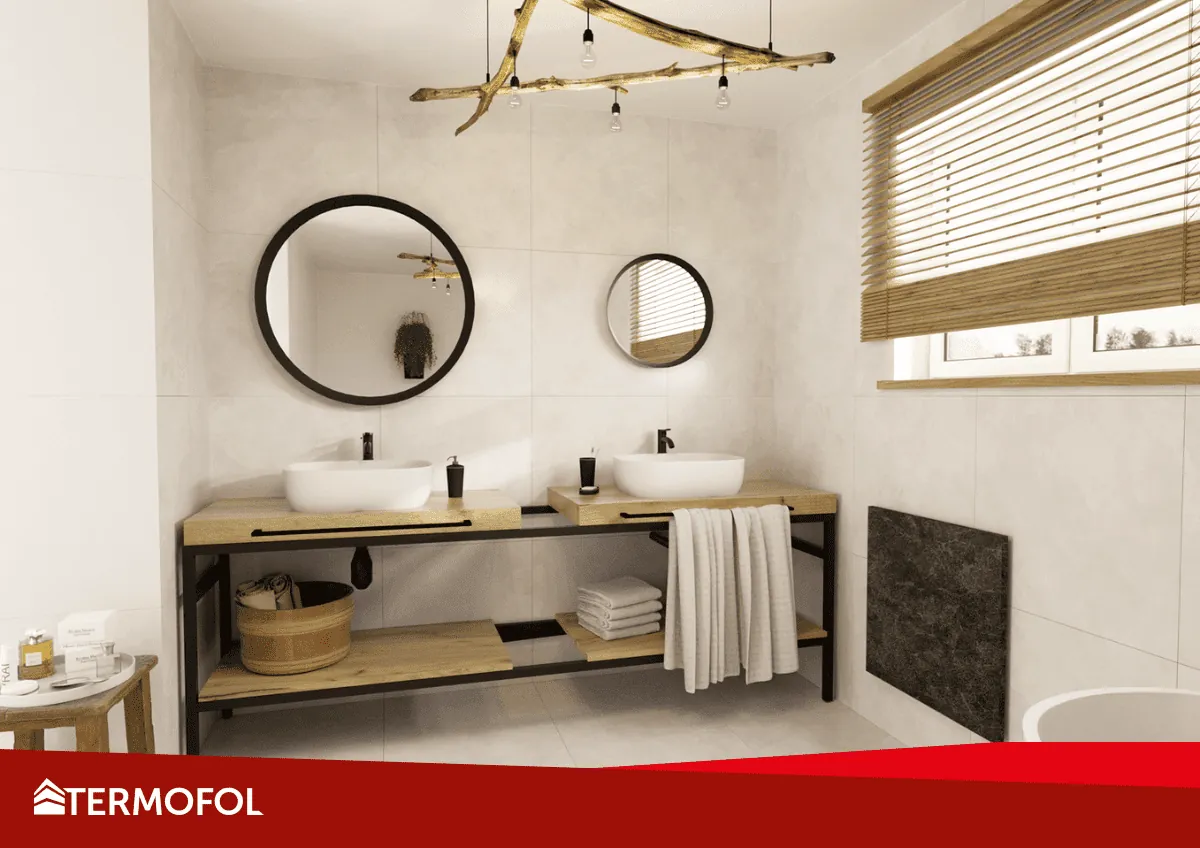
A domestic electric heater is becoming an increasingly popular choice in households. Its advantages, such as quick heating of specific areas, noiseless operation, and efficient energy use, make it an excellent solution for home heating needs.
Construction heater
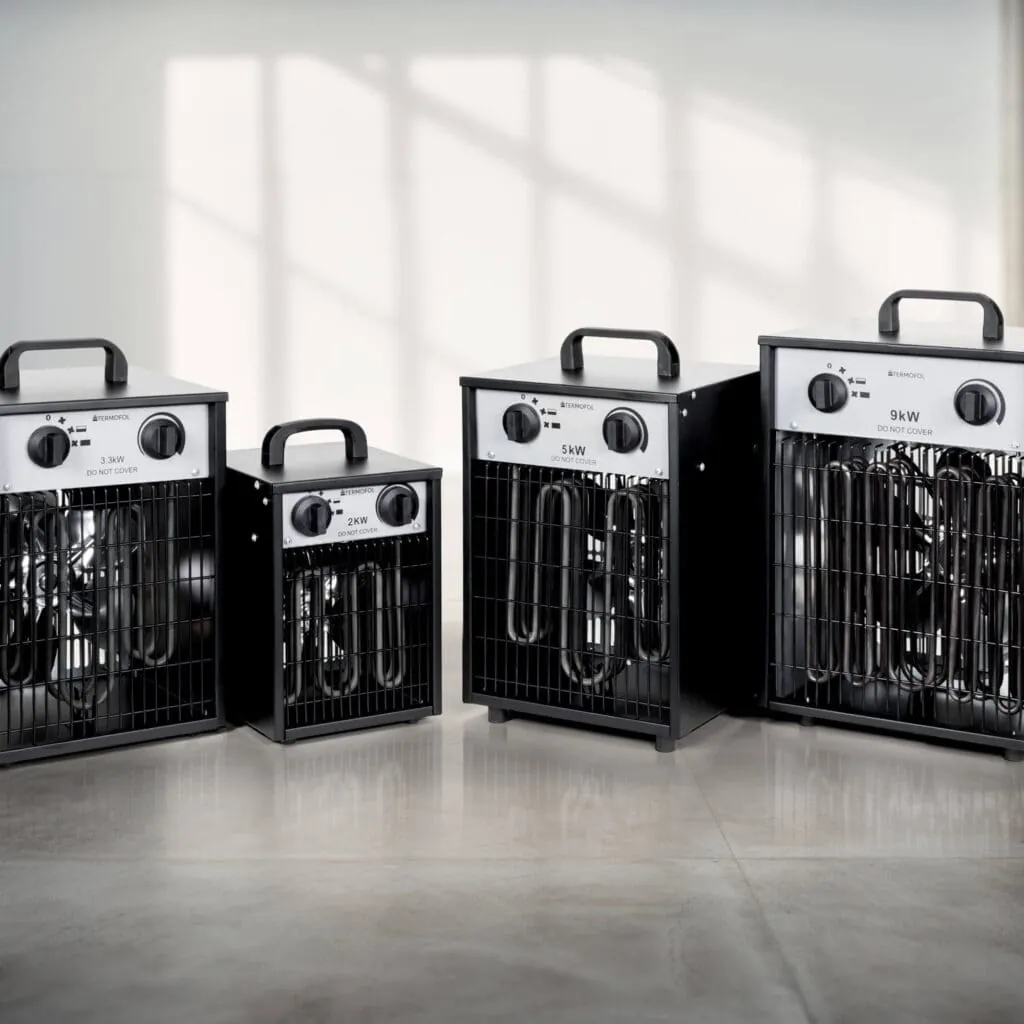
In the industrial sector, electric radiant heaters have also found their application. Their efficiency, precise heating ability, and elimination of excessive air movement make the industrial electric heater perfect for areas where concentrated and rapid heating of specific work areas is essential. This device also works well as a construction heater, heating the work site and thus creating comfortable conditions for the crew.
Warm air blower
An electric blower heater, often referred to as a warm air blower, is an advanced device equipped with specially designed fans that efficiently distribute warm air throughout the room. Thanks to this technology, the blower (electric heater) has become an extremely effective tool for quickly heating even large spaces, which is particularly important in construction sites. The targeted, mobile warm air blast allows not only for rapid heating of work areas but also for easy relocation of blowers as construction work progresses.
If you are wondering which heater would be most suitable for construction, a warm air blower should definitely be on your list.
Electric heater – is it energy-efficient?
The issue of energy efficiency is becoming an increasingly important aspect in choosing a heater. In the case of electric heaters, their efficiency is directly related to how quickly and effectively they can heat the air in the room.
Electric heater – how much power does it consume?
Many of us wonder how an air heater affects electricity bills. The answer to this question mainly depends on the power of the heater, expressed in watts (W), and the duration of its operation.
- Domestic electric heater. If we consider a heater for domestic use, it is worth thinking about its power in relation to the size of the room. The power value given in kW can be crucial. How much electricity does a 3kW electric heater consume? You can calculate this by considering the current, using Ohm's law: I = P / U. Assuming a standard voltage of 230V, a 3kW heater will draw about 13A of current.
- Industrial heater for construction. In the case of construction or industrial heaters, the power value can be significantly higher, resulting in greater electricity consumption. However, effective heating of workspaces on construction sites or in warehouses translates into employee comfort and work efficiency.
Air heaters, especially those with power regulation functions, can be very effective in maintaining optimal temperatures in rooms. Thanks to the ability to adjust power, users have control over the amount of electricity consumed, adapting it to current needs.
Moreover, a warm air blower heater can be particularly effective, as it allows for quick and even distribution of heat in the room. This means that the operating time of the heater can be reduced, leading to lower energy consumption.
Which heater to choose?
There are many types of electric heaters available on the market, making the choice of the right model a significant challenge. Which heater for the workshop will be the best? And which heater for construction?
Below we present several factors to consider when purchasing.
- Type of heater. Depending on your needs, choose a convection heater, radiant heater, or warm air blower.
- Power of the heater. Assess the power of the heater in relation to the size of the room it is to heat. For larger spaces, such as warehouses or production halls, consider a heater with higher power.
- Power regulation. The power regulation function allows you to adjust energy consumption to current conditions, which directly impacts operating costs.
- Heating efficiency. Check how quickly the heater can reach the desired temperature. Heating efficiency can be a key element in reducing the operating time of the device.
- Operating costs. In addition to how much the heater costs, pay attention to operating costs. A heater that is energy-efficient in the long run may prove to be more cost-effective.
Termofol industrial heater – the only solution for efficient heating
The answer to the question, how much electricity does an electric heater consume, is not straightforward, as it depends on many factors. However, the key is to consciously choose the right model of heater, tailored to the specifics of the room and the individual needs of the user.
An electric heater, especially one equipped with a power regulation function and advanced warm air blower technology, can be an extremely effective and energy-efficient solution for heating various spaces, including domestic, office, or industrial environments. However, to achieve optimal results, it is worth paying attention to modern industrial heaters. Termofol offers a wide range of such products. The technology of industrial heaters from Termofol represents an innovative approach to efficient heating in industrial environments. Thanks to a special insulating material, the heater maintains a constant and directed temperature in a specific location, significantly enhancing the efficiency of the entire process.
In summary, when considering which electric heater will be the best, remember that the final choice depends on individual preferences and the conditions in which it will be used. Termofol industrial heaters, however, represent an innovative alternative worth considering, especially if you are looking for an effective, energy-efficient, and precise heating solution, even for construction sites.
Also read: What is a passive house and why is it the future of construction?
 +48 12 376 86 00
  Downloads
  biuro@termofol.pl


 Blog Termofol
 Published: January 6, 2024
  Reading time: 6 minutes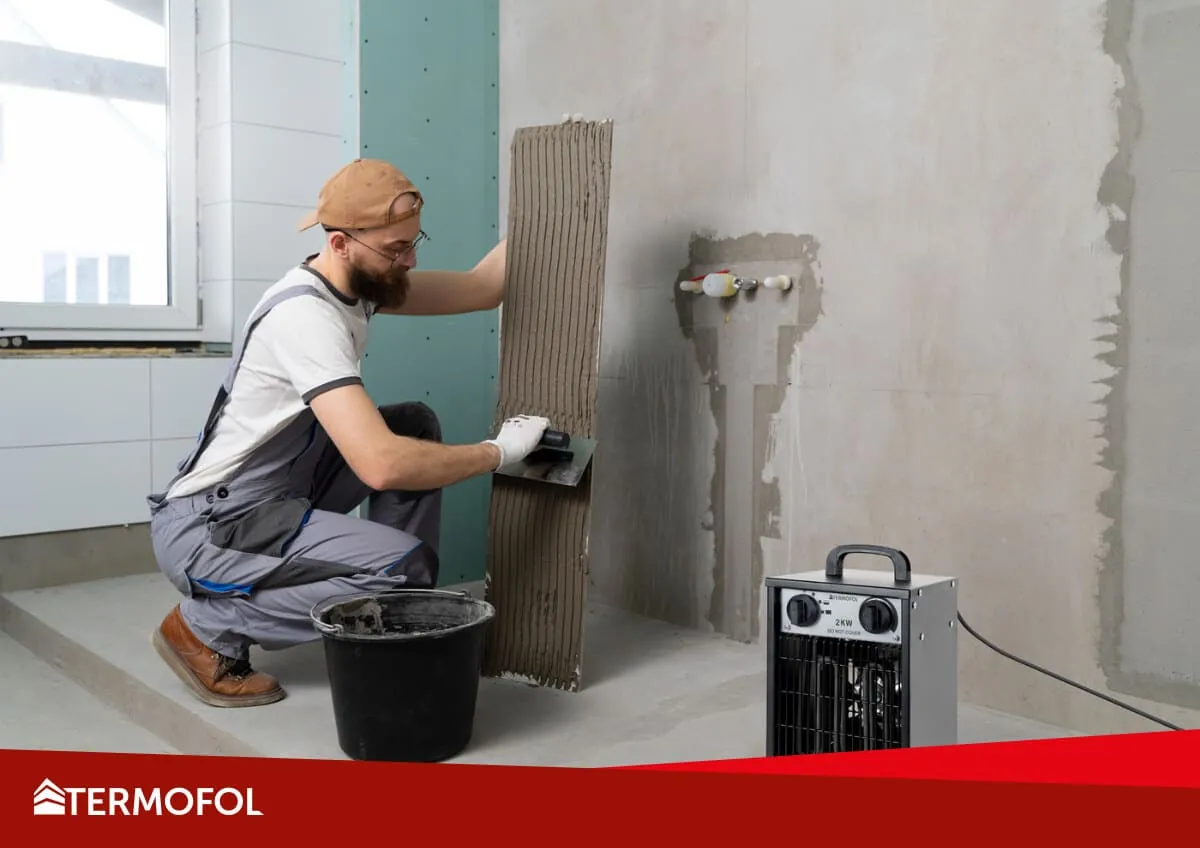
 General information