Can buildings get sick? It turns out that it is possible. Moreover, there are remedies for this ailment. The SBS syndrome is associated with unpleasant ailments experienced by residents and users of properties. See how to recognize sick building syndrome, prevent it, and treat it.
What is SBS syndrome?
Sick building syndrome (SBS) refers to properties where the presence of people is associated with unpleasant ailments. It is not a disease, but many people may experience symptoms of SBS to a greater or lesser extent. Both apartments and office buildings can "get sick," affecting the individuals within them.
In 1984, the WHO estimated that this problem affects as many as 30% of properties. It is suspected that in Poland, this number may be even higher. Typically, this syndrome occurs in older buildings, especially those constructed before the 1990s. Due to cost-saving measures and the use of lower-quality materials, as well as a lack of proper ventilation, these buildings have gradually ceased to provide adequate comfort and conditions for residents.
Causes of sick building syndrome
The SBS syndrome usually results from the accumulation of several adverse factors. The causes of sick buildings primarily include:
- a high amount of pollutants emitted by the building's equipment,
- neglected, poorly functioning ventilation or air conditioning that carries spores of fungi, mold, bacteria, and viruses,
- poor-quality, old building and finishing materials, e.g., toxic carpeting,
- interior furnishings such as asbestos, compounds emitted by wood preservatives, paints, solvents, and others,
- living organisms (bacteria, viruses),
- improper use of rooms, e.g., smoking indoors,
- polluted outdoor air that brings smog and other chemical contaminants inside.
In office spaces, sick building syndrome can also be caused by electrosmog emitted by many computers placed in a relatively small area. All these factors result in air pollution, which negatively affects the health and well-being of individuals.
How to recognize sick building syndrome?
Sick building syndrome encompasses a whole range of health complaints that arise while staying in a specific house, apartment, office, or other facility. It is easy to underestimate or associate them with other causes. These symptoms primarily include a runny nose, sneezing, irritation of mucous membranes, vague, recurring headaches and dizziness, itching and burning eyes, dryness of the conjunctiva, throat irritation, and memory disturbances. After just a few hours in such a building, one can experience significant fatigue that cannot be explained by intense mental or physical effort. Some may even feel nauseous, faint, and have difficulty breathing.
These symptoms intensify the longer and more frequently a person stays in the room. Those who are more stressed and women are particularly susceptible to the negative effects of SBS. Long-term residence or working in such environments can lead to chronic diseases, including asthma or allergies.
How to prevent sick building syndrome?
Are you in an apartment, house, or office that causes you unpleasant ailments and wondering how to prevent sick building syndrome? Usually, the discomfort subsides when a person does not stay in such a property for an extended period. This principle may apply to an office where we go for a few hours of work, but not to a house or apartment. But how to avoid a sick building when it is the place where you live every day? This is obviously impossible in the long run. Therefore, it is crucial to implement certain changes in the property.
The most effective way is to carry out extensive renovations of the building, which usually involves significant costs. Moreover, this is not always feasible – after all, you cannot tear down walls to rebuild them with better materials. Fortunately, there are many other ways to improve comfort in any room. How to avoid a sick building? First and foremost, ensure access to fresh air. Therefore, ventilate the property as often as possible, even in winter. If the outdoor air quality is poor, investing in an air purifier that additionally filters it from smog is a good idea.
Also, maintain an appropriate temperature (the optimal is 21 degrees Celsius) and humidity indoors. A humidifier and potted plants can help with this. For the comfort of residents or employees, also ensure proper lighting, especially based on natural light, and reduce noise (e.g., from the street) through special barriers and soundproof constructions.
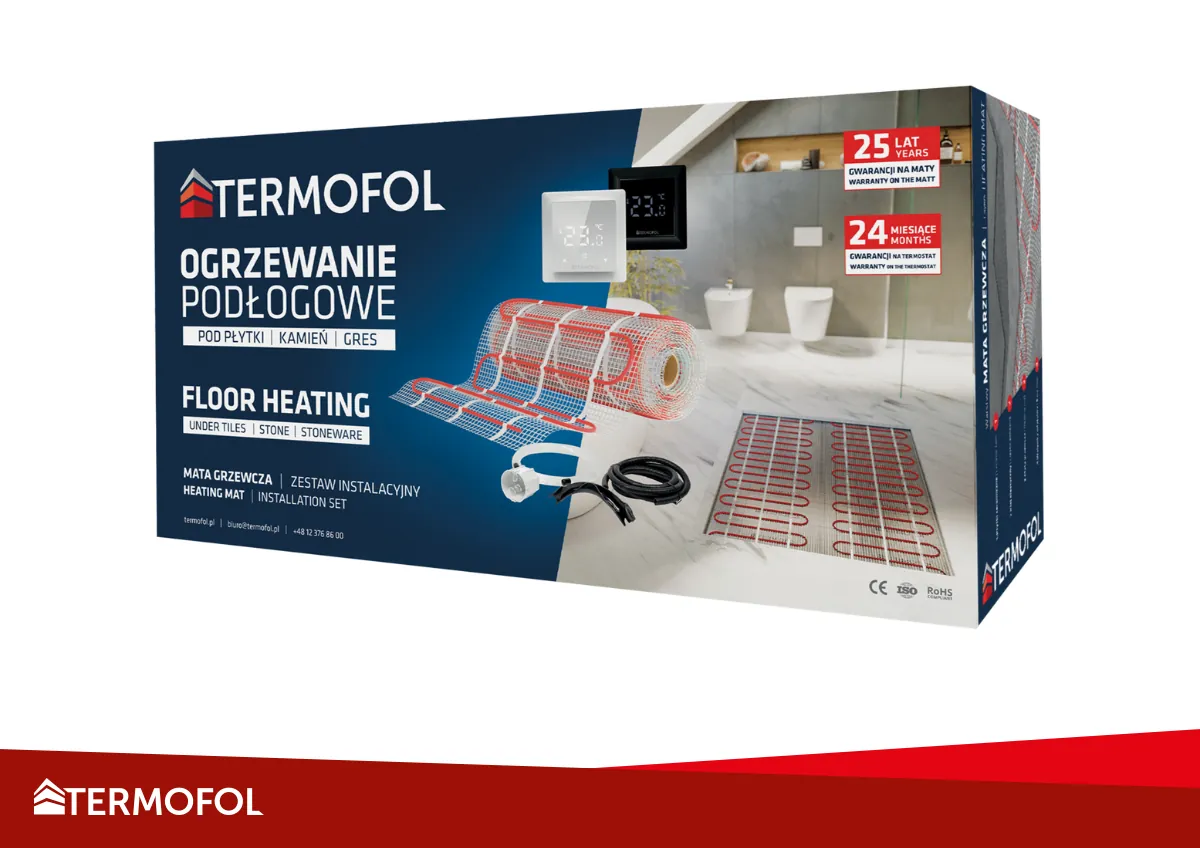
Also, check out information about underfloor heating from Termofol.
 +48 12 376 86 00
  Downloads
  biuro@termofol.pl


 Blog Termofol
 Published: July 22, 2022
  Reading time: 4 minutes
 General information