An efficient heating system is one of the most important installations in a house or apartment. The peak of the winter season mercilessly exposes all weaknesses of the heating installation. Relying solely on one source of heat can lead to unpleasant consequences. Therefore, it is worth equipping yourself with efficient electric heaters that can serve as auxiliary heating or be used to heat all rooms. Today, we will advise you on how to choose an electric heater for a living room. What parameters should be considered when selecting the device?
Electric heaters for a room – what criteria influence the purchasing decision?
The decision on which electric heater will be the best should be preceded by a thorough analysis of the technical specifications and the conditions of the specific space. In the offers of manufacturers, we find numerous versions of devices that do not always meet the specific needs of the customer. We will discuss the types of electric heaters in more detail later in the article. For now, let’s focus on a few technical criteria that require conscious consideration before purchase.
First of all, consider the power of the equipment. The choice of which electric heater for a room we make should be influenced by the comparison of the volume of the rooms to be heated with the information provided by the manufacturer of the device. Each heater has a label indicating its maximum power. We will encounter values such as 500W, 1000W, or 2000W. The golden rule states that for every 15 m2 of surface area, it is worth allocating 1000W of heater power. It is therefore easy to calculate how much power will translate into effective heating of the house or apartment.
The best electric heaters for a room come with many additional features that ensure comfort and safety during use. One of the most important features is precise temperature regulation via an LCD panel and a mobile application. Many heaters operate autonomously, adjusting their intensity to the prevailing conditions. If you are wondering how to choose an electric heater, we recommend using modern hardware solutions. Investing in high-end equipment results in lower electricity bills and exceptional comfort.
Looking for modern solutions? Check out ceramic heating panels.
Electric heater for a room – types of heaters available on the market
Now let’s briefly discuss the most popular types of electric heaters that can be found in the offers of various manufacturers. Surely everyone has heard of oil heaters. Decades of presence in the market have made their recognition peak, resulting in an increasing number of available models and sizes. An oil heater is a solid metal construction filled with oil. Plugging it into a 230V socket activates the heating of the liquid, after which the heat slowly spreads throughout the room. Oil heaters are praised for their long heat retention after being unplugged. Criticism focuses on the opposite of this feature – the relatively long heating time of the oil. An oil electric heater for a room works best in small rooms with good thermal insulation.
Fan heaters are also a constant presence. This second type of electric heater uses a built-in fan to distribute the heated air from the spiral throughout the room. However, the efficiency of fan heaters leaves much to be desired. If we want to heat a specific part of the room (e.g., a desk), a fan heater will fulfill its function. However, it will not manage to provide thermal comfort throughout the entire room. Even if it manages to heat the space, the temperature will quickly drop immediately after the fan heater is turned off.
On the market, we sometimes encounter offers for ceramic heaters and infrared heaters. Ceramic heaters remain unmatched in terms of heat retention, but they consume relatively large amounts of electricity during the initial heating of the plate. Infrared heaters excel in terms of aesthetics. Unfortunately, the same can be said about their price – they are somewhat more expensive than the other options mentioned here.
Another type of heating device is the convection heater, which allows for a quick increase in temperature in the room. The convection electric heater operates on the principle of convection. Cooler air masses are drawn into the heater, where they are heated and distributed throughout the room. Convection electric heaters for a room allow for a rapid increase in temperature. Their low price and great customization options deserve attention. Their lightweight makes convection devices recommendable as an auxiliary heating installation for all living spaces.
Summary
After considering all factors, convection heaters offer the greatest added value for a small price. We recommend choosing devices equipped with a precise timer, weekly programmer, overheating protection, and optimal moisture protection. Convection heaters perform excellently in all types of utility rooms, such as guest rooms, bedrooms, or home offices. They minimize energy consumption costs while maintaining high thermal efficiency throughout their long life cycle.
Are you considering underfloor heating in your home? You will find answers to all your questions in the knowledge compendium.
 +48 12 376 86 00
  Downloads
  biuro@termofol.pl


 Blog Termofol
 Published: February 20, 2023
  Reading time: 5 minutes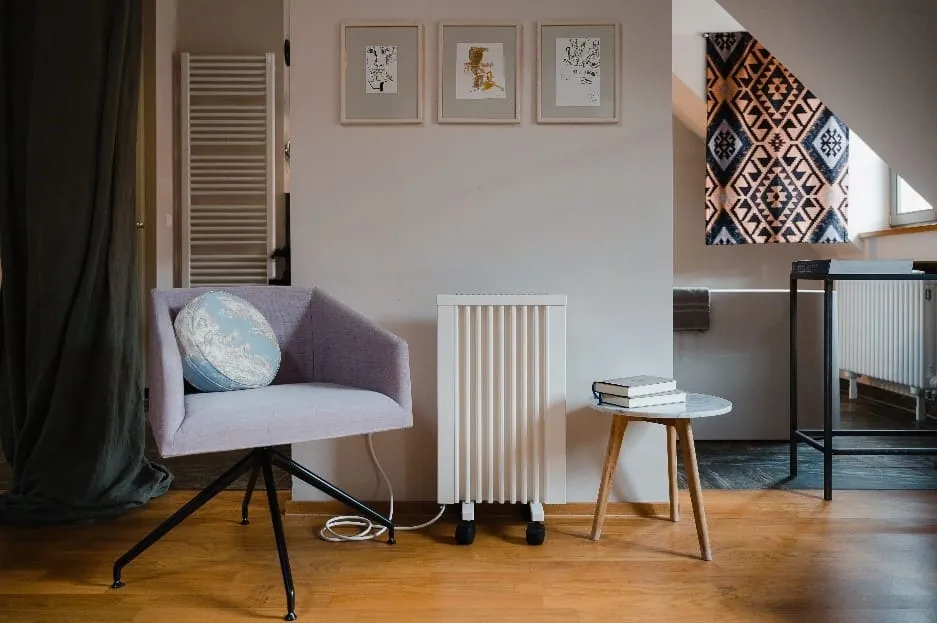
 Heating