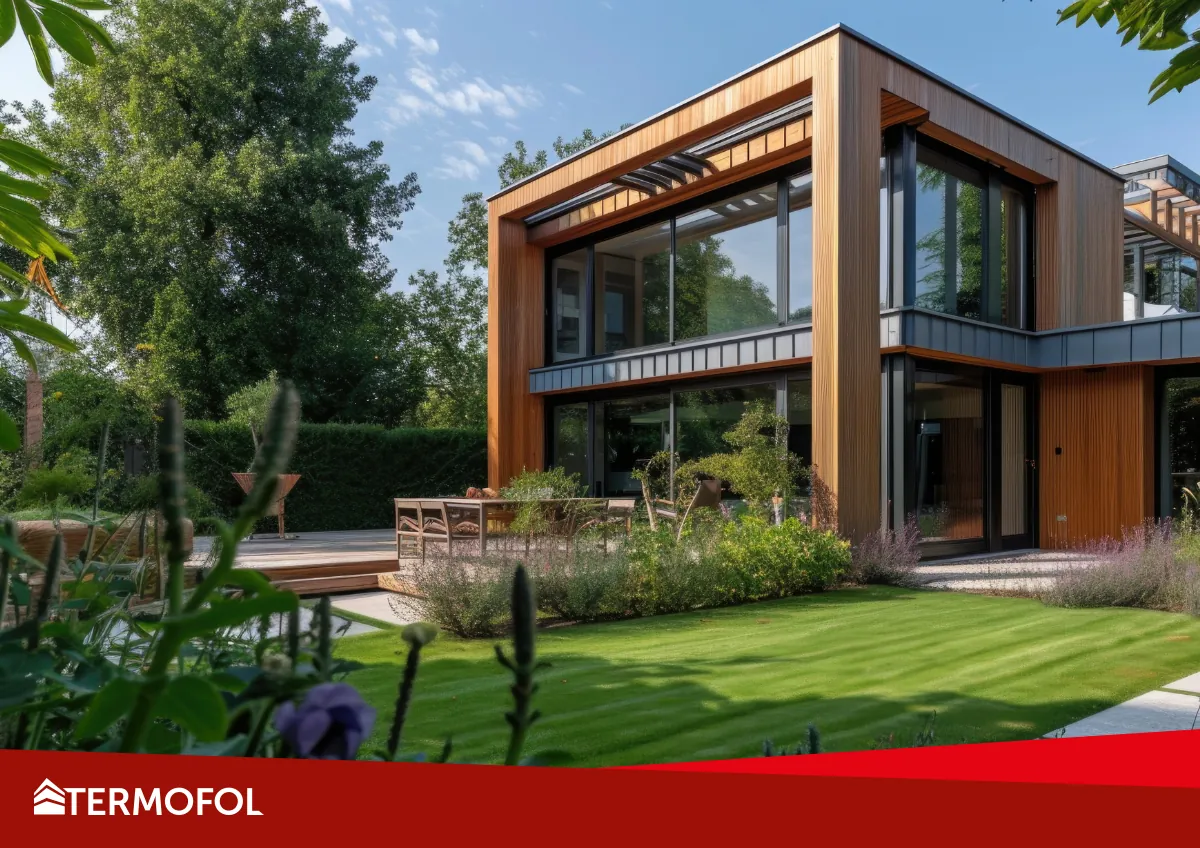
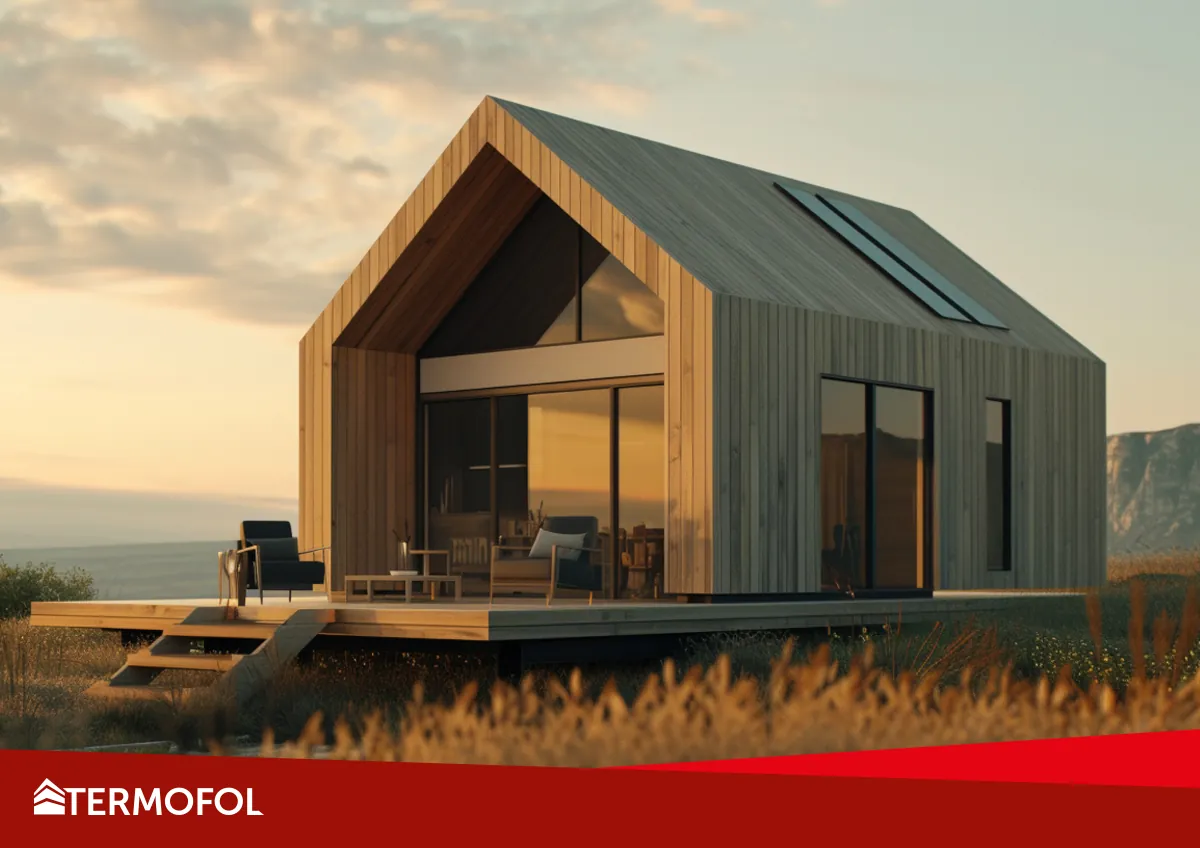
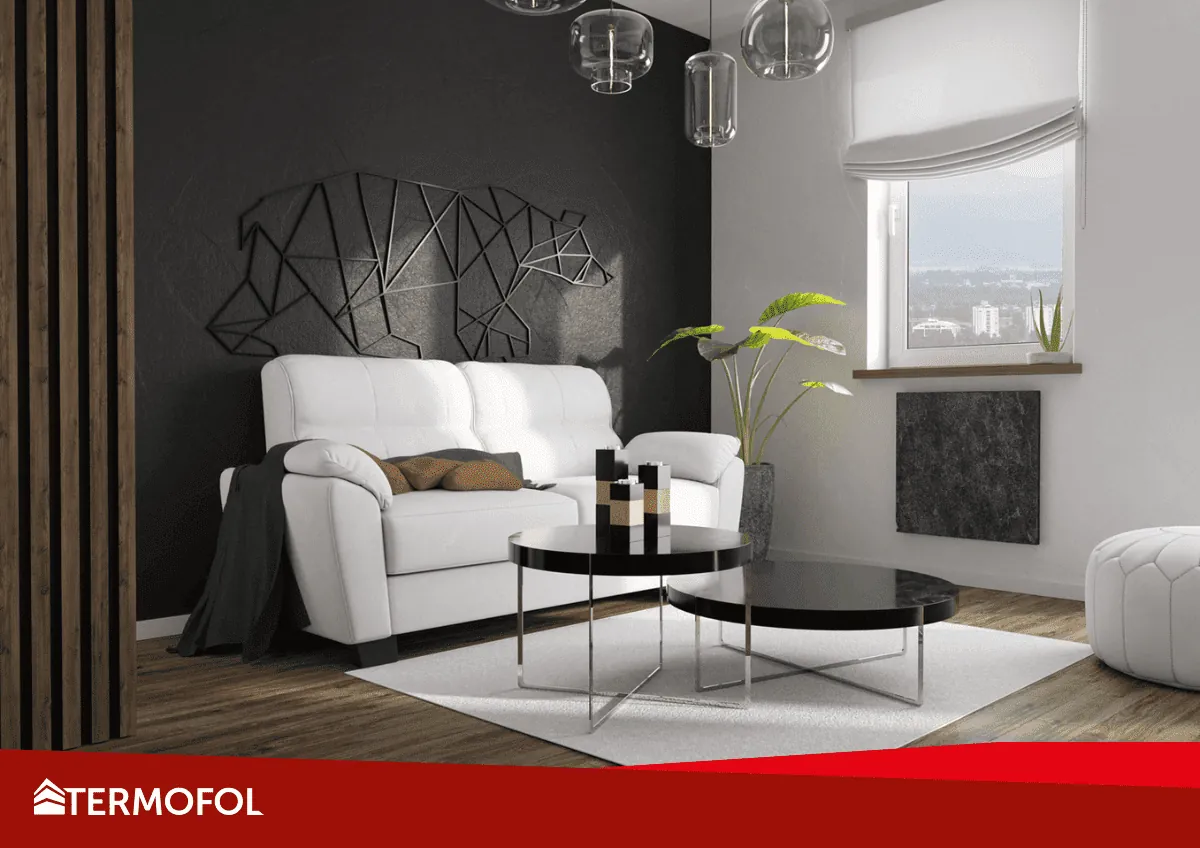
A zero-emission building will soon become the standard among newly built homes in Poland. So what exactly is a zero-emission facility? Find out which heating system is best for your future passive house.
What is a passive house and a zero-emission house? Discover the differences!
A passive house is a building that focuses on achieving very high energy efficiency and reducing the need for active heating or cooling. It is often referred to as a cost-free house due to its specific construction. Here are the main features of a passive house.
- High thermal insulation. Passive buildings are very well insulated, which reduces heat loss in winter and excessive heating in summer.
- Tightness. Limiting air flow to and from the building's interior to prevent uncontrolled heat loss.
- Utilization of passive solar heating. Proper window placement and the use of materials capable of storing heat to harness the natural energy provided by sunlight.
- Mechanical ventilation with heat recovery. Recovery systems reclaim heat from exhaust air, using it to warm the fresh air entering the building.
- Reduction of thermal bridges. The building's structural elements are designed to avoid areas where heat loss can easily occur.
A zero-emission house (or energy-efficient building) focuses on the building's energy balance. In such a house, the amount of energy consumed by the building equals the amount of energy produced from renewable sources. Here are the main characteristics of a zero-emission house.
- Energy production. A zero-emission house uses solar panels, wind turbines, or other renewable energy sources to generate the energy necessary for its operation.
- High energy efficiency. Like passive houses, zero-emission houses are designed to minimize energy demand. However, they go a step further by balancing this demand through their own energy production.
- Energy management. Advanced energy management and storage systems are often used to optimize energy consumption and production.
The main difference between a passive house and a zero-emission house lies in their approach to energy. A passive house focuses on maximum efficiency and minimizing energy consumption, while a zero-emission house aims for energy neutrality by balancing consumption with production from renewable sources. These approaches are complementary and can be combined, leading to the construction of sustainable and energy-efficient homes. Essentially, both can be referred to as cost-free houses.
A revolution in eco-friendly construction
In the face of intensifying climate change, a zero-emission building is no longer just an option – it is a necessity. The idea behind their construction is the desire to reduce harmful emissions into the natural environment, as well as compliance with EU regulations. The introduction of the "Fit for 55" policy by the European Union aims to reduce carbon dioxide emissions by member states and also applies to single-family homes. In the coming years, every new building will have to be a self-sufficient house. This paradigm shift towards energy-efficient buildings requires an answer to the fundamental question: how to heat a house so that it is both environmentally friendly and user-friendly?
How to heat the house? Solutions for both buildings
At the center of the discussion about a zero-emission house is the question of a sustainable heating method. The answer that is increasingly being mentioned among investors is infrared heating. This technology provides energy efficiency and user comfort at the highest level. The reason is simple: the ability to directly heat objects and people in the room instead of the air.
Infrared heating, using infrared radiation, mimics the natural warmth of the sun, which is not only pleasant for the body but also beneficial for health. The main and most characteristic feature of infrared is its speed. Films and infrared mats will heat a room to the desired temperature in a much shorter time than conventional heating. This makes your home energy-efficient. How?
This happens because infrared does not need to draw power for heating all the time. A temperature sensor connected to the thermostat ensures that the system only activates when the temperature in the room drops below the set level. A shorter heating power draw time means less energy consumed. And consequently, not only savings in money but also a smaller carbon footprint. In this way, the latest home heating technologies can be fully utilized to create a cost-free house.
Passive house – infrared heating or heat pump?
In the pursuit of creating a self-sufficient house, a key aspect is understanding the economics behind the chosen heating methods. Infrared stands out with a favorable cost analysis. It is important to consider not only the purchase and installation price of the system but also to analyze long-term costs.
Initial costs associated with installing an infrared heating system may seem higher compared to traditional systems. This is not entirely true. Installing water underfloor heating in a new house involves running water installations and pipes with the heating medium in the floor, which is quite a complicated procedure that requires high labor and monetary investments. The same goes for heat pumps.
However, an experienced team can install heating film in a 150 m2 house in just one day. The short installation time is not the only advantage of infrared heating. It also saves on service and repair costs. While boilers and heat pumps can experience failures, such situations occur extremely rarely in our heating systems. The reason is the construction of heating films and the characteristics of this device. It has no parts that wear out and thus fail.
Additionally, considering that infrared heating can contribute to achieving zero-emission building status, these values can be further optimized by using renewable energy, such as photovoltaic panels. In this way, combining a passive house, infrared heating, and appropriate thermal insulation not only minimizes the carbon footprint but also ensures significant savings over the long term.
It is also worth mentioning that a self-sufficient house using infrared systems can enjoy stable heating costs, regardless of fluctuations in fossil fuel prices, which further enhances its economic attractiveness.
Cost-Free House – The Future of Construction with TERMOFOL Products
A zero-emission building is not only a response to the ecological challenges of our times but also an opportunity to create a comfortable living space. Infrared films, as one of the latest home heating technologies, perfectly fit into the concept of a passive house. Heating will stay with you for years to come, so when choosing a heating system, one should consider ease of use and reliability.
Choosing the TERMOFOL infrared heating system is not just a step towards ecology and responsible energy consumption, but also an investment in the future that will benefit both our environment and household budget. What else to heat the house with if not a technology that combines all these advantages?
At TERMOFOL, we believe that the future belongs to solutions that allow achieving zero-emission status without compromising comfort and lifestyle. We encourage you to contact our experts who will help tailor the infrared heating solution to the individual needs of your energy-efficient building, guiding you step by step towards a future where sustainable home heating is the standard, not the exception.
 +48 12 376 86 00
  Downloads
  biuro@termofol.pl


 Blog Termofol
 Published: February 28, 2024
  Reading time: 6 minutes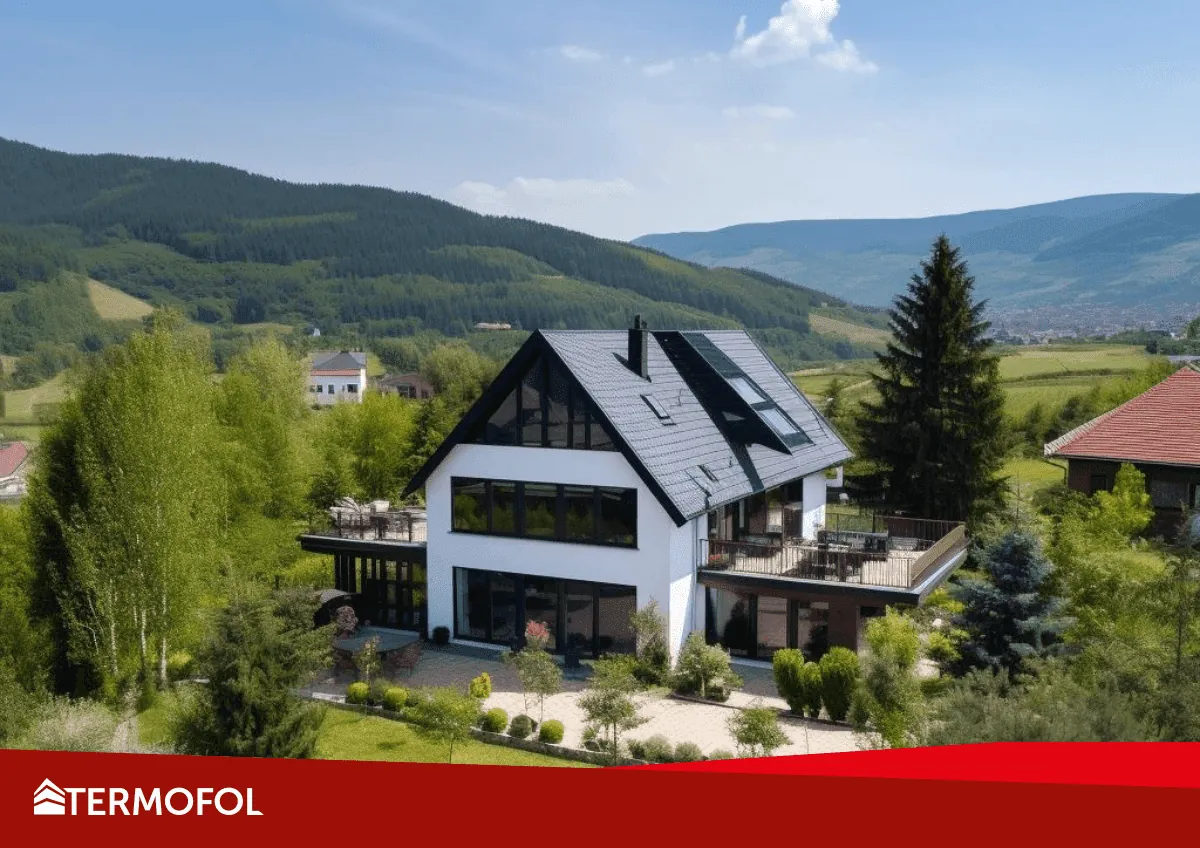
 Heating